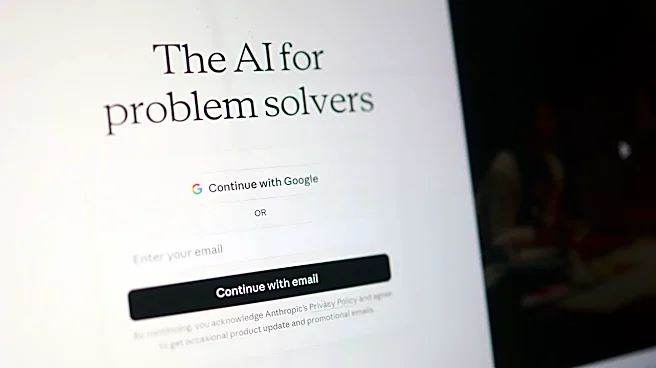








You’ve dabbled with AI, and it’s surprisingly useful. Now Claude is asking if you want to go 'Pro' for $20 a month. Is it worth paying for a tool you only use now and then? Let's break down when to spend and when to save your money.
What the Free Plan Gets You
First, let's be clear:
Anthropic's free Claude tier is surprisingly robust. As of late 2026, it's not a watered-down demo. You get access to highly capable models like Sonnet, which can handle most everyday writing, summarization, and brainstorming tasks with ease. The free plan also includes the ability to upload files for analysis, search the web, and create a limited number of 'Projects' to remember context for specific tasks. The main catch is the usage limit, which resets every five hours. While Anthropic doesn't publish an exact number of messages, think of it as enough for a handful of short conversations or a few complex queries per session—somewhere in the ballpark of 15 to 40 messages. For someone who only needs to draft an email, brainstorm a headline, or ask a few questions a couple of times a week, the free tier is often more than enough.
What 'Pro' Actually Buys You
The Claude Pro plan, which costs around $20 per month or slightly less if paid annually, is primarily about removing friction. The single biggest benefit is a much higher usage limit—at least five times more than the free tier. This means you can have longer, more in-depth conversations and analyze larger documents without being told to 'try again later'. The second major perk is access to Anthropic's most powerful models, like Opus. While the free Sonnet model is great for general tasks, Opus excels at complex, multi-step reasoning, creative writing, and coding. Pro users also get priority access during peak traffic times, meaning you're less likely to be slowed down when the service is busy. You also get unlimited 'Projects' and access to specialized tools like Claude Code.
The Occasional User's Dilemma
This brings us to the core question. If you're not a developer or an AI power user, when does the upgrade make sense? It boils down to the nature of your occasional use, not just the frequency. Ask yourself these questions: 1. How often do you hit the free limit? If you find your workflow interrupted more than once or twice a week, the $20 fee can be justified simply by the time and frustration it saves. If you rarely or never see the usage warning, there's no need to upgrade. 2. What are you using it for? If your 'occasional' use involves analyzing a 100-page report, debugging a complex spreadsheet, or drafting a detailed proposal, the more powerful Opus model and larger context window of the Pro plan could provide noticeably better results. For quick questions and simple text generation, the free model is perfectly fine. 3. Is waiting a dealbreaker? Some occasional use is time-sensitive. If you turn to Claude for last-minute help before a deadline, the 'priority access' of a Pro plan acts as a valuable insurance policy against slowdowns. If your queries can wait, this feature has less value.
The Verdict: When It's a 'Yes' and When It's a 'No'
For the truly occasional user—someone who pops into Claude a few times a month for fun or for a quick assist—the Pro plan is almost certainly not worth the cost. The free tier is generous enough to handle light, non-critical tasks without issue. You're better off saving the $240 a year. However, the 'occasional user' label can be misleading. If your job requires infrequent but intense bouts of research, analysis, or creative work, Claude Pro can be a powerful tool in your arsenal. Think of it less like a daily utility and more like a specialist you can call on when needed. If you're a student who needs to analyze dense research papers once a month, or a freelancer who drafts complex project proposals a few times a quarter, the upgrade could pay for itself in a single session. The key is to upgrade for the capability and capacity, not out of a fear of missing out.