




More Than Just Another Coin
First, let's get one thing straight: not all blockchains are created equal. While many cryptocurrencies are born from a fixed code and a specific idea, Tezos was designed with a different philosophy. It was launched in 2018 with the understanding that
technology, markets, and user needs change. Instead of building a rigid system, its creators built a flexible one. The core idea wasn't just to create a digital currency, but to build a digital commonwealth—a network that could adapt over time without destroying itself in the process. This makes it fundamentally different from early blockchains that must undergo messy, disruptive upgrades to change their core rules.
The Constitution That Writes Itself
The hidden detail at the heart of Tezos is its 'self-amending' ledger. Think of it like a country’s constitution that includes a formal process for passing new amendments. Most other blockchains, like early versions of Bitcoin or Ethereum, lack this. To make a significant change—like altering how transactions are processed or how new coins are created—their communities often have to perform a 'hard fork'. A hard fork is like a constitutional crisis; it splits the network in two, creating a new, separate blockchain and often dividing the community. Tezos was specifically built to avoid this chaos. Its protocol includes a built-in, on-chain governance system that allows for formal, democratic votes on any proposed upgrades. If a proposal is approved by the community, the blockchain automatically updates itself, seamlessly integrating the new code without a fork.
How On-Chain Governance Works
So, how does this self-amendment actually happen? It’s a formalized, multi-stage process managed directly on the blockchain. Token holders (people who own Tezos's native currency, XTZ) can delegate their voting rights to network validators, known as 'bakers'. These bakers can submit proposals for protocol upgrades. The process then moves through several distinct periods: a proposal period, an exploration vote, a testing 'cooldown' period, and a final promotion vote. For a proposal to pass, it needs to achieve a quorum and a supermajority of 'Yea' votes. This structured and transparent process ensures that changes are vetted, tested, and approved by the stakeholders themselves. It transforms governance from a messy, off-chain political battle into an orderly, on-chain democratic function. This system uses a unique consensus mechanism called Liquid Proof-of-Stake (LPoS), which allows token holders to participate in governance without locking up their assets.
Stability in a World of Chaos
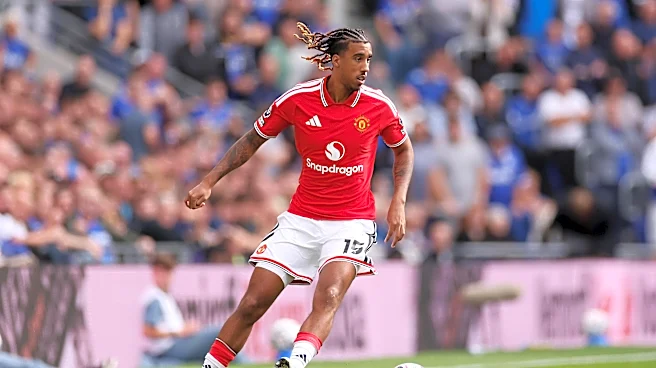
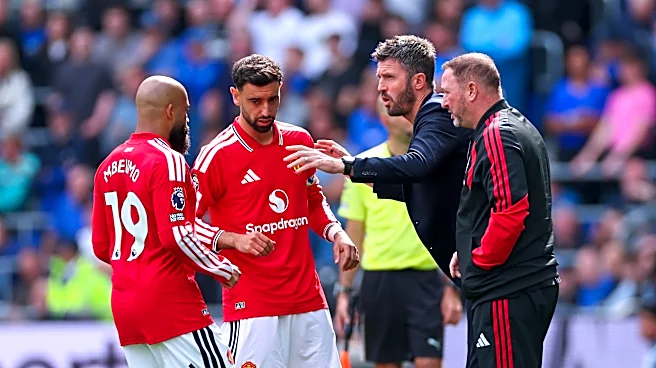
Why does this technical detail matter for the real world? The answer is stability and predictability. For developers building applications or companies tokenizing high-value assets, the risk of a network split (a hard fork) is a major deterrent. Tezos's ability to evolve smoothly makes it a more reliable foundation for long-term projects. This stability has attracted major brands and institutions. Companies like French banking giant Société Générale have used Tezos for digital security experiments. In the world of sports and entertainment, Manchester United, McLaren Racing, and Red Bull Racing have all partnered with Tezos to build NFT fan experiences, leveraging its energy-efficient and dependable platform. This formal, secure upgrade process makes it particularly attractive for applications where security and reliability are paramount.