









A Metal Box That Moves
The core problem is physics. An RV is essentially a metal or composite box that blocks radio signals—a terrible starting point for any kind of wireless connection. Add the fact that this box is constantly moving through areas with wildly inconsistent
cell coverage, and you have a perfect storm of connectivity challenges. Unlike a house, where a single cable provides a stable link, an RV has to catch its signal from the air. In the early days of RV internet, this meant relying on whatever spotty Wi-Fi a campground might offer, forcing everyone to compete for limited bandwidth through trees and other RVs that degrade the signal even further. This fundamental challenge—getting a reliable signal into a moving metal container—is what has driven the entire design philosophy of RV internet solutions.
The First Real Solution: Grabbing a Better Signal
The first major breakthrough wasn't about creating internet out of thin air; it was about making better use of the weak cellular signals that already existed. This led to the design of the classic RV cellular booster. Think of it as a hearing aid for your internet. The system was designed in three parts to solve the “metal box” problem directly. An external antenna is mounted on the roof to capture the faint cellular signal, far from the interference of the RV's shell. This signal is fed via a cable to an amplifier inside the rig, which boosts its strength. Finally, an internal antenna broadcasts this newly strengthened signal throughout the RV. This design directly tackles the physics: the antenna outside grabs the signal, and the broadcaster inside distributes it, bypassing the signal-blocking walls. It doesn't create a new connection, but it makes a weak, unusable one strong enough for modern needs.
From Boosting to Dedicated Routers
While boosters helped, the rise of remote work and multi-device households demanded more. The next design evolution was the dedicated RV cellular router. This device takes the cellular signal and creates a robust, private Wi-Fi network inside the RV, just like your router at home. Unlike a simple phone hotspot, these routers are designed for a mobile environment. They often feature ports for high-gain external antennas, can bond multiple cellular connections for better reliability, and are built to handle the vibrations and temperature swings of life on the road. This design was a response to increasing data demands; it wasn't just about making a call anymore, but about supporting laptops, smart TVs, and security cameras simultaneously, all while moving through different carrier zones.
The Game Changer: Looking Up, Not Around
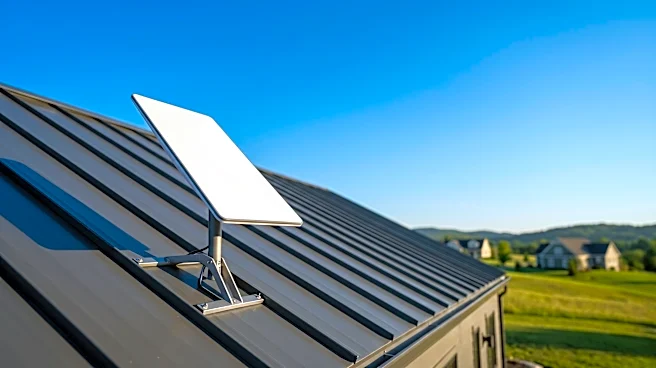
The most recent and revolutionary shift in RV Wi-Fi design came from looking to the sky. Low-Earth orbit (LEO) satellite services, most famously Starlink, changed the fundamental approach. Instead of trying to find and amplify a distant cell tower, this system communicates directly with satellites overhead. This was designed to solve the ultimate problem: what to do when there is no cellular signal to boost. For RVers who venture into remote deserts, dense national forests, or other off-grid locations, satellite provides true broadband-level internet where none existed before. The trade-offs are different—it requires a clear view of the sky, consumes more power, and has a higher upfront cost—but its design solves the coverage problem that cellular solutions simply can't.