




The Foundation: A Chip Built for Intelligence
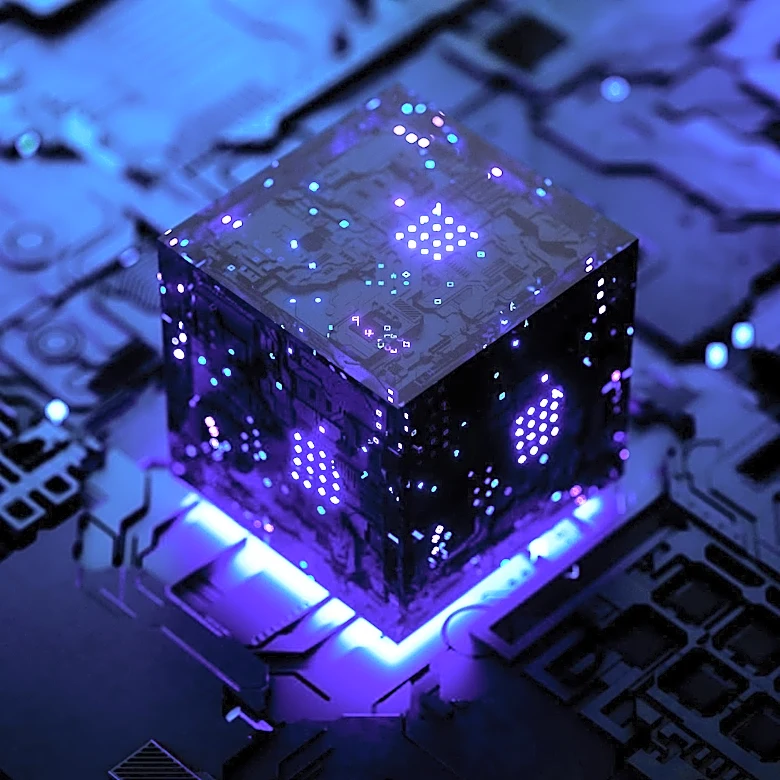
For years, Apple's strategy has been to play the long game. While competitors raced to launch flashy AI chatbots, Apple was quietly building the engine. The new A20 Pro chip, expected to debut in the iPhone 18, is the culmination of that work. Following
the architecture of the recently announced M6 chip for Macs, the A20 will likely be built on a new 2-nanometer process. This allows for more transistors in the same space, boosting power and efficiency. More importantly, it supercharges the Neural Engine, the part of the chip dedicated to AI tasks. Analysts predict a significant leap in on-device processing power, moving beyond simple tasks to handle complex, context-aware operations without ever needing to send your data to the cloud. This isn’t just about making apps faster; it’s about enabling a new class of AI that is personal and private by design.
Privacy First: Apple's On-Device AI Bet
Apple's core differentiator in the AI race has always been its staunch commitment to privacy. Instead of processing your requests on massive, distant servers, Apple’s philosophy is to do as much as possible directly on your device. The iPhone 18 looks to be the ultimate expression of this strategy. With a more powerful Neural Engine, the phone can run sophisticated language and image models locally. For the user, this means AI features that can securely summarize confidential work emails, analyze personal health data, or organize private photos, all without that information leaving the phone. For more complex tasks that require server power, Apple has developed what it calls Private Cloud Compute, a system designed to process data without creating a permanent record, ensuring even cloud-based AI respects user privacy. It’s a deliberate, cautious approach that a growing number of consumers and businesses find appealing.
iOS 20 and a Smarter Siri
Hardware is only half the story. The real magic happens when it’s paired with intelligent software. iOS 20, previewed at this year’s Worldwide Developers Conference, is set to weave AI into the very fabric of the operating system. Branded as "Apple Intelligence," these are not standalone AI apps but enhancements that make existing apps more proactive and useful. Imagine Photos intelligently creating highlight reels, Messages drafting replies in your personal style, or Calendar anticipating your needs based on recent emails. The most visible change will be a long-overdue overhaul for Siri. Aided by technology from Google's Gemini models for more complex queries, Siri is expected to become more conversational and context-aware, capable of understanding what's on your screen and performing multi-step actions across different apps. The goal is to make AI an invisible, helpful layer rather than a feature you have to consciously open and use.
The Ecosystem Effect: Beyond the Phone
A smarter iPhone creates a ripple effect across all of Apple's other products. When your primary device becomes a hub of on-device intelligence, it elevates the entire ecosystem. Your Apple Watch can deliver more proactive health insights, your AirPods can offer richer, context-aware audio experiences, and your Mac can seamlessly pick up complex tasks started on your phone. Because Apple controls the hardware and software for all its devices, it can ensure this AI integration is seamless and consistent. Developers are also being given more powerful tools, like the updated App Intents framework, to plug their own apps into this intelligent system, allowing Siri to command third-party apps to perform tasks for the user. The iPhone 18, therefore, isn't just a powerful phone; it's the brain that makes the entire constellation of Apple products work together in a more intuitive, intelligent way.