





The Spectacle of Giant AI
This week, Microsoft's keynotes will paint a grand vision of AI-driven transformation, showcasing the incredible power of its frontier models and the promise of 'agentic AI' that can orchestrate complex tasks. We'll see dazzling demos and hear about AI assistants
poised to change every facet of enterprise work. This is the expected narrative: bigger is better, and the most powerful AI lives in the cloud. It’s a compelling story, but it’s only half of the picture. Focusing solely on these titans of computation risks missing the more practical and immediate wave of innovation that is set to redefine how AI is deployed.
Defining the 'Small' in Small AI
Small language models (SLMs) aren't 'dumb' versions of their larger cousins; they are highly efficient, specialized engines. While giant models might have a trillion parameters or more, SLMs operate in the range of roughly one to 15 billion. This isn't a limitation; it's a design choice. By training them on high-quality, targeted data, models like Microsoft's own Phi series can achieve remarkable performance on specific tasks. The goal isn't to create a digital brain that knows everything, but to build a nimble tool that does its specific job exceptionally well, whether that's summarizing emails, classifying support tickets, or generating code snippets.
Efficiency and Cost: The Killer App
For businesses, the number one barrier to widespread AI adoption is often cost. Running queries against a massive frontier model can be prohibitively expensive, especially at scale. This is where SLMs present a game-changing value proposition. They are dramatically cheaper to run, in some cases reducing inference costs by a factor of 20. This economic reality means AI can move from a high-budget, specialized tool to a ubiquitous feature embedded in every application. Instead of reserving AI for only the highest-value problems, businesses can afford to use it everywhere. This shift from scarcity to abundance is a direct result of the efficiency SLMs provide.
The New Frontier: On-Device and Private
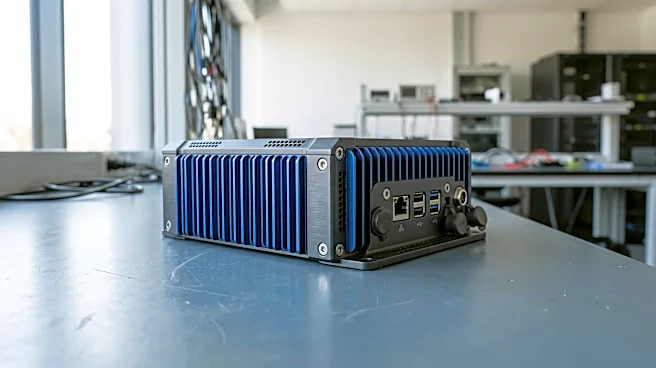
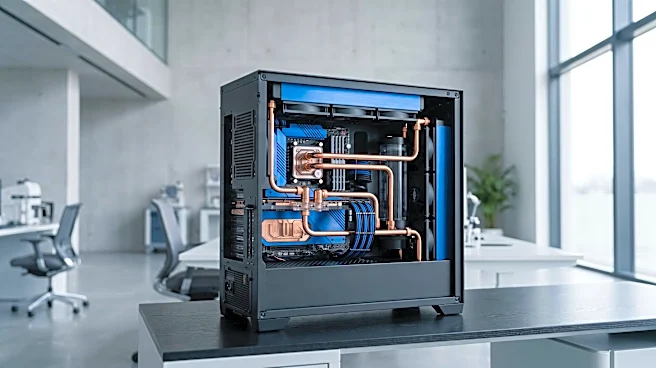
Perhaps the most profound impact of SLMs is their ability to run locally on devices like laptops and smartphones. This solves two of the biggest challenges in AI today: privacy and latency. When a model runs on-device, sensitive data never has to be sent to a cloud server, a massive win for companies in regulated industries like healthcare and finance. It also eliminates network latency, enabling real-time features that feel instantaneous. An AI that can function offline is more reliable and versatile. This move to 'the edge' represents a fundamental architectural shift, making AI more personal, secure, and resilient.
Reading Microsoft’s Strategic Tea Leaves
Microsoft has been investing in this space for years, with its Phi family of models consistently pushing the boundaries of what's possible in a small package. As you watch the Ignite sessions, look for the subtle signals. Pay attention to any mention of new Phi variants, AI features running natively in Windows, or tools that make it easier for developers to fine-tune and deploy these smaller models. The announcements around 'agentic' systems will be exciting, but the truly strategic play is a hybrid one: using large models as orchestrators in the cloud while deploying armies of specialized SLMs to do the work on the ground. This dual-track approach is how AI becomes truly integrated into the fabric of computing.