




The Unstoppable Juggernaut
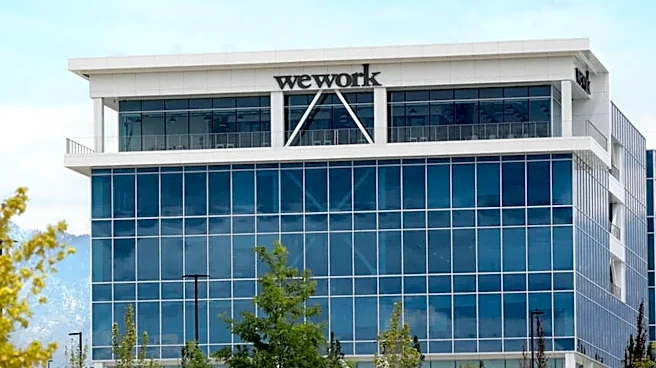
To understand the fall, you have to appreciate the vertigo-inducing rise. Before 2019, WeWork was more than a flexible office company; it was a phenomenon. Led by its charismatic and messianic co-founder, Adam Neumann, it promised to "elevate the world's
consciousness." It wasn't just leasing desks; it was building a global community, fueled by kombucha on tap and an intoxicating belief in its own destiny. Venture capital, led by Japan's SoftBank, poured billions into this vision, inflating the company's private valuation to an astronomical $47 billion by early 2019. WeWork was gobbling up real estate in major cities, seemingly rewriting the rules of commercial property with a tech company's playbook and valuation.
The Music Stops Cold
The party came to a screeching halt in August 2019 when WeWork filed its S-1 paperwork to go public. The document, intended to attract investors, did the exact opposite. Wall Street analysts and journalists tore into the financials, which revealed staggering losses—billions of dollars burned annually with no end in sight. Worse, the filing exposed a tangled web of questionable corporate governance, including Neumann borrowing from the company to buy properties that he then leased back to WeWork. The market recoiled. The visionary tech company was suddenly seen for what it was: a real estate firm with long-term lease liabilities and short-term tenants, wrapped in a veneer of tech jargon. The celebrated IPO was dead on arrival.
Days From Disappearing
This is where the story gets really interesting. The failed IPO wasn't just an embarrassment; it was a death sentence. The company's entire financial model was predicated on going public to raise the cash needed to fund its colossal operating losses. With that path closed, WeWork was literally weeks, if not days, from running out of money and facing total insolvency in the fall of 2019. Employees were terrified, landlords were nervous, and the world's most valuable startup was on the verge of becoming a historic corporate flameout. This was the precipice, the moment where the story could have ended simply: a spectacular, definitive crash.
The Billion-Dollar Crossroads
The "almost different" future hinged on one entity: SoftBank. Having already invested billions, WeWork's primary financial backer had two choices. It could cut its losses, let WeWork collapse into bankruptcy, and accept a massive, humiliating write-down. This would have been the clean break. The company would have been liquidated, its story a simple cautionary tale. But SoftBank chose the other path. In October 2019, it engineered a massive, $9.5 billion bailout package. This wasn't just a lifeline; it was a takeover. SoftBank seized control, pushed Adam Neumann out with a controversial billion-dollar exit package, and installed its own leadership. This single decision saved WeWork from immediate oblivion. The story almost looked like a sudden, dramatic death. Instead, it became a long, painful, and profoundly different saga of survival.
A Smaller, Quieter Second Act
The WeWork that emerged was not the same company. The years that followed were brutal, involving massive layoffs and a painful reckoning with its bloated real estate portfolio. Even the bailout wasn't enough to avoid an eventual Chapter 11 bankruptcy filing in November 2023. But after restructuring, WeWork emerged again in June 2024—leaner, private, and stripped of its mystical aura. It shed billions in debt and unprofitable leases. Now majority-owned by real estate tech firm Yardi Systems, it's run by a real estate veteran, John Santora, not a charismatic founder. The focus is on nuts-and-bolts operational efficiency and a more sustainable, "asset-light" model, partnering with landlords instead of being shackled to long leases. It's a far less glamorous story, but for the first time, it's a story that might actually be profitable.