








From Utility Box to Status Symbol
Before the late 2000s, the thermostat was arguably the most boring device in your home. It was pure utility, a plastic rectangle that was functional at best and an eyesore at worst. Then, companies like Ecobee and, most famously, Nest Labs, came along.
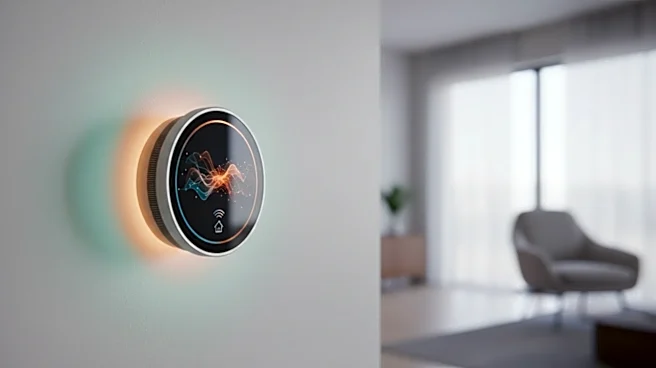
Led by Tony Fadell, an Apple alum known as the “godfather of the iPod,” Nest didn’t just make a better thermostat; it made a desirable one. The Nest Learning Thermostat, launched in 2011, applied Apple’s design-first philosophy to a forgotten category. With its polished metal ring and vibrant, circular display, it looked less like an HVAC component and more like a piece of high-end audio equipment. Suddenly, a thermostat could be a conversation starter, an aesthetic choice. This was the first quiet revolution: proving that even the most mundane home hardware could become an object of desire if the design and user experience were treated as paramount.
The Brain in the Hallway
The second, more profound shift was inside the device. Programmable thermostats had existed for decades, but they were notoriously difficult to use—so much so that many people never bothered, negating any potential energy savings. Smart thermostats offered remote control via a smartphone, which was a major leap in convenience. But the real game-changer was machine learning. Instead of asking you to create a rigid schedule, the Nest learned your habits. It noted when you turned the heat up in the morning, when you left for work, and when you came home, building a personalized and efficient schedule automatically. This was a radical departure. The device was no longer passive; it was proactive and intelligent. It established a new blueprint for consumer hardware: a product shouldn't just be controllable, it should be aware. It should adapt to you, not the other way around. This principle is now a core expectation in everything from smart speakers to robotic vacuums.
The Trojan Horse for the Smart Home
For years, the “smart home” was a niche concept for hobbyists and the wealthy. It was complex, fragmented, and lacked a killer app. The smart thermostat became that killer app. It was the first smart device many mainstream consumers purchased because it had a clear and simple value proposition: it saves you money and looks great doing it. Its success demonstrated a viable market for connected devices that went beyond entertainment. By getting millions of people comfortable with a Wi-Fi-connected, sensor-driven device in the heart of their homes, the thermostat acted as a gateway drug. It normalized the idea of a home that responds to its occupants, paving the way for the explosive growth of connected video doorbells, smart lighting, and voice assistants that followed. The thermostat became the quiet, unassuming hub that made the broader smart home ecosystem feel accessible and inevitable.
A Secret Weapon for the Power Grid
Perhaps the most significant and least visible impact of smart thermostats is on the energy grid itself. As millions of these devices came online, utility companies saw an opportunity. They began offering incentives for customers to enroll in “demand response” programs. On brutally hot summer afternoons when energy demand peaks, the utility can communicate with thousands of enrolled thermostats, slightly adjusting the temperature by a few degrees for a short period. This collective action sheds a massive load from the grid, preventing blackouts and reducing the need to fire up expensive, high-polluting “peaker” power plants. Homeowners often receive a notification and can opt out, but most don't even notice the change. This turned a collection of individual consumer devices into a distributed, virtual power plant, creating a dynamic new relationship between consumers, their homes, and the nation’s energy infrastructure.