




An Emotional Entry Point for In-Home Tech
Before pet cameras gained traction, the idea of putting an internet-connected camera inside your home felt unsettling to many. Early security cameras were often perceived as intrusive, complex, or reserved for high-risk properties. Pet cameras changed
that calculation by reframing the purpose from surveillance to connection. The driving force wasn't fear; it was love and a touch of separation anxiety. The 'pet humanization' trend, where pets are treated as family members, created a powerful emotional incentive for adoption. People who would never install a security camera were suddenly eager to bring one home to ensure their furry companions were safe and happy. This emotional appeal lowered the barrier to entry, making millions of households comfortable with indoor cameras for the first time and paving the way for the broader smart home ecosystem.
The Proving Ground for Interactive Features
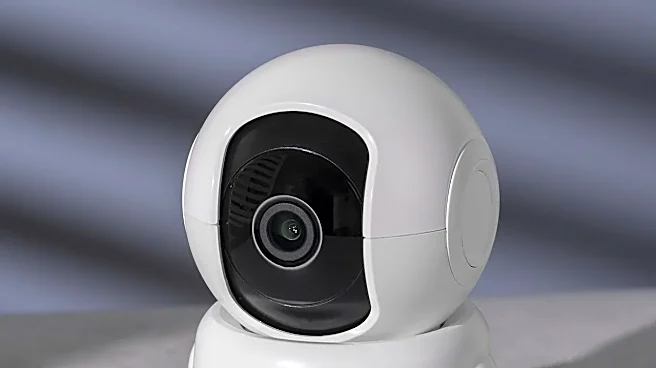
Pet cameras were never just about passive viewing. To justify their existence, they had to offer more than a basic webcam. This need for engagement turned them into a laboratory for interactive hardware features that are now ubiquitous. Two-way audio, for example, became a standard feature, allowing owners to hear their pet and, more importantly, speak to them. This wasn't just a gimmick; it offered real comfort to both pet and owner. Then came features that pushed the boundaries of interaction even further. Remote treat dispensers, like those popularized by Petcube and Furbo, turned a passive camera into an active participant in a pet's day. Laser pointers for remote play and advanced camera panning and tilting to follow a pet around the room also became popular. These features proved there was a market for devices that did more than just watch; they needed to interact.
Perfecting the AI-Powered Alert
Anyone with an early motion-activated camera knows the pain of endless false alarms. A shadow, a car's headlights, a curtain rustling in the breeze—all could trigger a notification. Pet cameras faced a unique version of this problem: how to differentiate between a dog napping and a dog destructively chewing the couch. The solution was artificial intelligence. Companies invested heavily in AI that could specifically recognize pet-related events. Bark detection was a major breakthrough, sending alerts only when a dog was vocalizing. Soon, AI could distinguish between cats and dogs, or even between a pet and a person. This focus on specific, meaningful alerts trained consumers to expect smarter notifications from all their devices. The AI developed to tell a bark from a yawn is the direct ancestor of the AI in your video doorbell that can now tell a package from a person.
The Subscription Model Playbook
Perhaps the most significant and lasting impact of pet cameras was the normalization of the hardware-plus-subscription business model. The physical camera was the starting point, but the real, recurring revenue came from cloud services. Want to save more than a few seconds of video? You need a subscription. Want access to those advanced AI-powered alerts like bark detection or activity summaries? That requires a monthly fee. Pet camera companies successfully argued that these ongoing services were worth paying for. This created a predictable revenue stream and a playbook that was quickly adopted across the consumer hardware landscape. Today, from security cameras by Ring and Arlo to smart thermostats and even printers, the expectation of a recurring subscription fee for premium features can be traced back to the groundwork laid by pet-tech pioneers.