







More Than Just Failed Pet Food Sites
When most Americans recall the dot-com bubble, they picture the high-profile flameouts. Companies like Pets.com and Webvan became national punchlines, symbols of irrational exuberance and business plans scribbled on napkins. Trillions of dollars in market
value evaporated, and for a few years, Silicon Valley looked less like a promised land and more like a ghost town. But focusing only on the failures misses the real story. The bubble wasn't just a period of speculative madness; it was also a period of frantic, unprecedented investment. While many bets went bust, the sheer volume of capital pouring into the tech sector had profound, lasting consequences that were only truly felt years later. The crash, in retrospect, was not an ending but a violent pruning that cleared the way for a stronger, more resilient ecosystem.
The Billion-Dollar Plumbing We Inherited
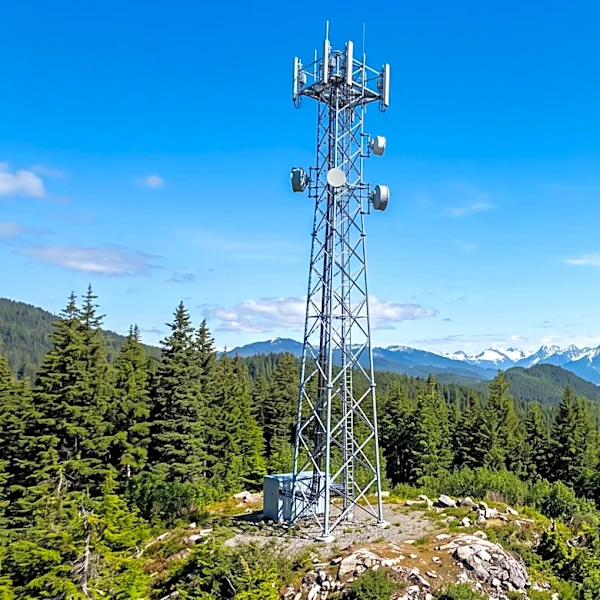
The most significant and overlooked legacy of the dot-com era is buried underground. Convinced that internet demand would grow infinitely, telecommunications companies spent over $500 billion laying a massive web of fiber optic cables across the country and under the oceans. Companies like Global Crossing and WorldCom raced to build the physical backbone of an internet that, at the time, didn't have enough traffic to justify it. When the bubble burst, these telecom giants went bankrupt, and their vast networks were considered dead assets. By one estimate, two-thirds of this fiber remained unused or "dark" for years. But this glut of cheap bandwidth became the critical ingredient for the next decade of innovation. Without this overbuilt, bargain-priced infrastructure, there would be no YouTube, no Netflix streaming, no social media, and no cloud computing as we know it. The bubble funded the highways before the cars were ready to drive on them.
Survival of the Smartest
The bust acted as a brutal but effective market filter. While hundreds of companies with flimsy business models disappeared, a handful of survivors proved their resilience and emerged stronger. Amazon, whose stock plunged over 90%, survived by focusing on a negative cash conversion cycle—getting paid by customers before it had to pay its suppliers. Google, founded shortly before the crash, survived and thrived because its search technology was fundamentally better and its advertising model was far more effective. Priceline endured by carving out a defensible niche in the travel industry. These companies, along with others like eBay and Salesforce, didn't just weather the storm; they defined the next era of the internet. They learned hard lessons about fiscal discipline and the importance of having a real, sustainable business model, principles that the first wave of dot-coms had famously ignored.
A Battle-Hardened Generation of Founders
The crash didn't just create cheap infrastructure; it also created a new generation of tech talent. Thousands of engineers, programmers, and entrepreneurs who had been drawn to Silicon Valley by the promise of quick riches were suddenly out of a job. This scattered diaspora of talent didn't abandon technology. Instead, they took the painful lessons from the bubble—avoiding excessive spending, focusing on user-driven products, and building leaner operations—and founded new companies. This wave of innovation, often called "Web 2.0," was built on the ashes of the first boom. The lower cost of entry, thanks to cheap bandwidth and maturing software, allowed for more experimentation. The ethos shifted from building market share at any cost to creating genuine utility. The failures of 1999-2001 became the foundational curriculum for the successes of 2004 and beyond.