







A Ghost from the Dot-Com Graveyard
Let’s be clear: the original Pets.com is long gone. Headquartered in San Francisco, the company launched in 1998 with a revolutionary premise for the time: buy pet food, toys, and supplies online and have them delivered to your door. Backed by big-name
investors, including a majority stake from Amazon, the company went on a marketing blitz of epic proportions. It aimed to dominate the nascent e-commerce space for pet supplies, a market then valued at over $23 billion. The strategy was to grow at all costs, capturing market share with the hope that profits would eventually follow. It was a philosophy that defined an entire era of internet startups, and Pets.com became its most famous cautionary tale.
The Sock Puppet That Conquered the World
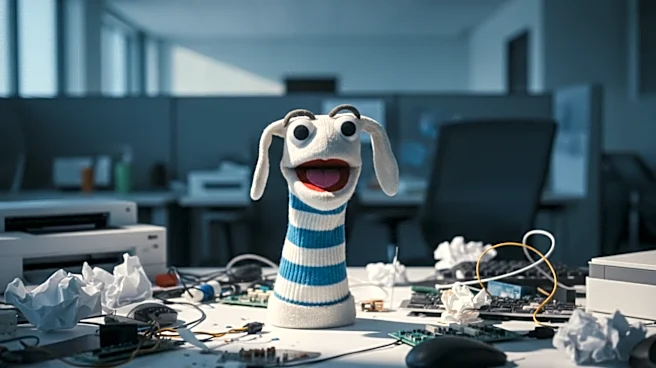
You can't talk about Pets.com without talking about the sock puppet. The sassy, microphone-wielding mascot, voiced by comedian Michael Ian Black, was a stroke of marketing genius. The puppet interviewed people on the street, starred in a $1.2 million Super Bowl ad, and even appeared as a giant balloon in the Macy's Thanksgiving Day Parade. It was interviewed by People magazine and made appearances on 'Good Morning America'. The goal was to build an unforgettable brand to stand out from a sea of competitors like Petopia and Petstore.com. The campaign worked, perhaps too well. The sock puppet became a beloved pop culture icon, but the brand awareness it generated couldn't solve the company's fatal business-model flaws.
Burning Cash and Crashing Down
Despite its fame, Pets.com was hemorrhaging money. The core problem was its unsustainable economics. The company was often selling products, especially heavy bags of dog food and cat litter, for less than it cost to acquire them. Add in the high costs of shipping these bulky items—often for free to entice customers—and the business model was doomed. In just nine months, from February to November 2000, Pets.com burned through the $82.5 million it raised in its IPO and then some. After just 26 months in business, the company announced it would cease operations, laying off most of its 320 employees and liquidating its assets. Its stock, which debuted at $11, was worth just $0.19.
The 'Move' Is Actually an Afterlife
This brings us to the so-called headquarters move. The original company didn't move; it dissolved. But in the fire sale of its assets, one piece of digital real estate proved immensely valuable: the domain name Pets.com. In December 2000, rival retailer PetSmart acquired the domain, along with other related trademarks and URLs. The famous sock puppet mascot, however, was not part of the deal. Ever since, typing "Pets.com" into a web browser has redirected users to PetSmart's website, a clever strategy to capture the brand recognition that all that marketing money had built. So, the "real reason" for the move is that there wasn't one. The 'move' was the journey of a valuable domain name from a failed startup's garage sale into the hands of a savvy competitor, where it lives on as a ghost redirect, a digital relic of a bygone era.