




A Company on the Verge of Irrelevance
By the mid-1990s, Apple was in crisis. The company that had pioneered personal computing was losing its way, plagued by a confusing product line and a dangerously aging operating system. The classic Mac OS lacked modern features like protected memory
and preemptive multitasking, which meant that if a single application crashed, the entire system often went down with it. Internally, Apple had been working for years on a next-generation replacement codenamed "Copland." It was meant to be a complete overhaul, but the project became a victim of feature creep and internal politics, ultimately collapsing under its own weight after years of delays and millions of dollars spent. With no viable operating system on the horizon and Microsoft's Windows 95 dominating the market, Apple was running out of time and options. The company began a desperate search to buy an operating system from an outside company.
The Forgotten Answer
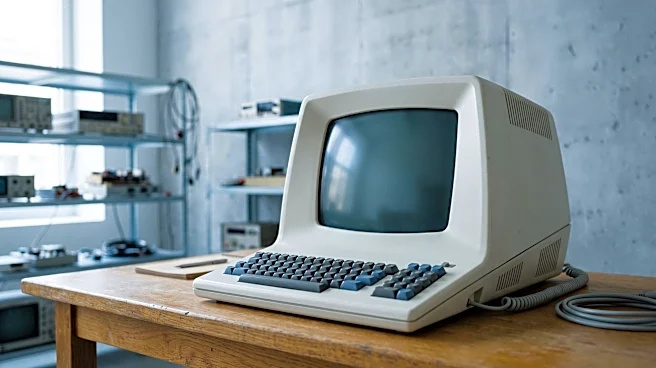
Meanwhile, Steve Jobs was in his own professional wilderness. After being forced out of Apple in 1985, he founded NeXT, Inc. The company built powerful, beautiful, and extremely expensive black cube workstations aimed at the education and business markets. While the hardware was a commercial failure, the software running on it was a masterpiece. Called NeXTSTEP, it was a robust, modern operating system built on a stable UNIX foundation. It had all the features Apple desperately needed: stability, protected memory, and advanced, object-oriented programming tools that made developing complex software far easier. In fact, NeXTSTEP was so ahead of its time that Tim Berners-Lee used a NeXT computer to invent the World Wide Web. By 1996, with its hardware business discontinued, NeXT was a software company, and its primary asset was this brilliant but niche operating system.
The $429 Million Bet
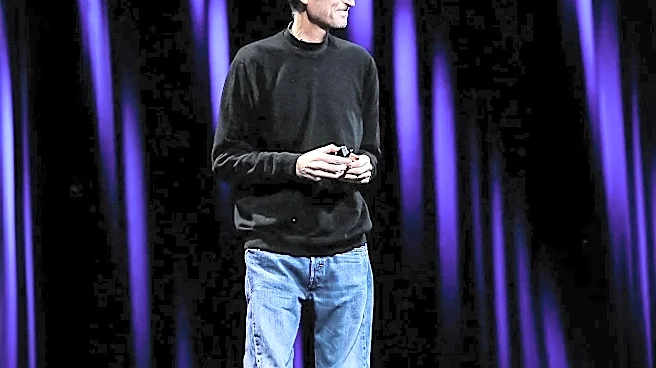
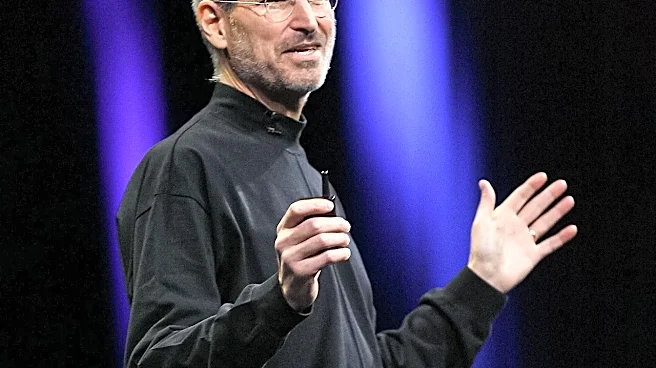
In late 1996, Apple, led by then-CEO Gil Amelio, made its move. The company announced it was acquiring NeXT for around $429 million. On the surface, the headlines focused on the prodigal son's return; Steve Jobs was coming back to Apple as an advisor. But that was only half the story, and arguably the less important half at the time. The real prize, the hidden bet, wasn't just Jobs himself—it was NeXTSTEP. Apple wasn't just hiring a consultant; it was buying its future. It was a massive gamble to adopt an entirely new software foundation from a struggling company, but it was the only viable path forward. The deal provided NeXT technology with the high-volume hardware platform it always lacked and gave Apple the modern OS it had failed to build itself.
The Foundation for a Trillion-Dollar Legacy
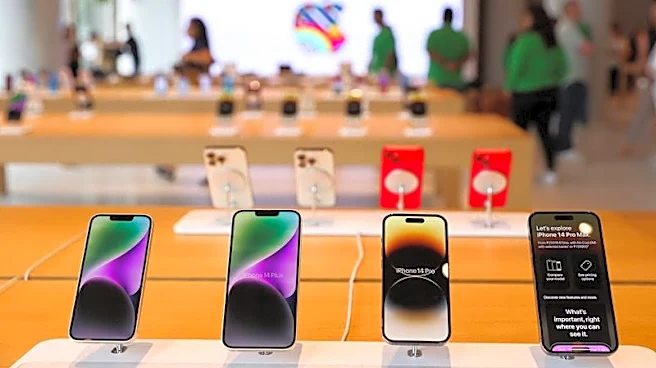
The acquisition was effectively a reverse takeover. Jobs soon returned to power as CEO and brought his trusted team from NeXT with him. They began the monumental task of transforming NeXTSTEP into Apple’s next-generation operating system: Mac OS X. This new foundation provided the rock-solid stability that enabled the success of the colorful iMac, the product that announced Apple’s comeback. More importantly, the core architecture of NeXTSTEP became the heart of every major Apple product that followed. It powers macOS to this day, and its descendants form the basis of iOS, iPadOS, and watchOS. Every iPhone, iPad, and Apple Watch can trace its software lineage directly back to that "hidden bet" on NeXTSTEP. Elements of NeXT's design, from the Dock to programming frameworks that begin with the letters "NS" (for NeXTSTEP), are still present in Apple's software today.