







The Investor Anxiety: All Eyes on Growth
For years, the formula for Apple’s success was simple: sell more iPhones. Each new model was expected to kickstart a massive upgrade cycle, driving revenue, profits, and a soaring stock price. Investors have been conditioned to see iPhone unit sales as the primary
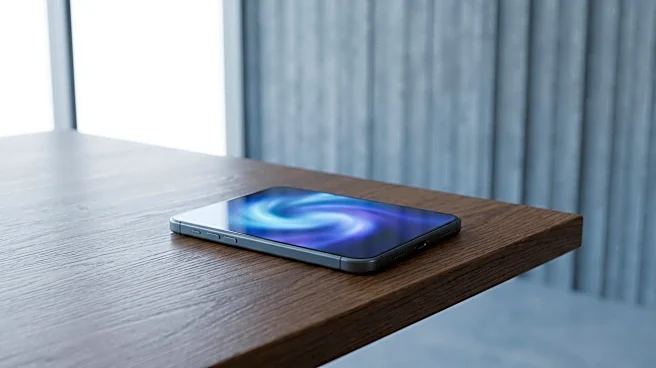
barometer of Apple's health. While recent quarters have shown strong growth, with iPhone sales rising 22% to $54.3 billion in one recent quarter, there's a persistent fear that this growth engine is maturing. The global smartphone market is shrinking, even if prices are rising. Analysts are now forecasting much flatter year-over-year iPhone shipment growth, around 1% for 2026. This makes Wall Street nervous. They want to see a clear path to continued expansion, and for many, that means new hardware categories, like the long-rumored foldable 'iPhone Ultra', that can command premium prices and create new revenue streams. Any distraction from that core mission is viewed with suspicion.
The Founder Pitch: A New Frontier
Meanwhile, a different revolution is demanding Apple’s attention. The world of artificial intelligence has exploded, and AI startups are desperate for one thing: distribution. Getting a revolutionary AI model into the hands of a billion people is a near-impossible task for a startup. But Apple already has the distribution channel. For AI founders, the iPhone isn't just a phone; it's the most valuable piece of real estate in the world. They aren't just looking to be another app in the App Store. They want deep, on-device integration. They envision their technology being woven into the operating system itself, accessing the phone’s powerful chips to run AI tasks locally, ensuring privacy and speed. This on-device processing is a rapidly growing market, expected to be worth over $75 billion by 2033. Apple has already opened its platforms to developers to tap into on-device models, signaling a willingness to play ball. For an AI company, being embedded in iOS is the ultimate validation and path to scale.
Apple’s Tightrope Walk
This puts Apple in an incredibly delicate position. The company has historically pursued a cautious AI strategy, focusing on privacy and embedding intelligence invisibly rather than chasing flashy chatbots. This approach, once seen as lagging, now looks prescient as the initial AI hype bubble shows signs of cooling. However, Apple's relationships with major AI players are complicated; it has partnerships with Google and Anthropic but is currently in a legal battle with OpenAI over alleged trade secret theft. At the iPhone 18 event, the company must perform a difficult balancing act. It needs to showcase enough AI innovation to prove it's still at the forefront of technology, potentially through a revamped Siri powered by partner models like Google's Gemini. Yet, it must frame these features in a way that supports the core business of selling hardware. Any move that suggests it's sacrificing predictable hardware profits for speculative AI ventures could spook investors who are already concerned about rising phone prices and uncertain demand for new form factors.
More Than Just Features
Ultimately, the tension on display at the iPhone 18 launch event is about more than just a few new software tricks. It’s a fundamental question about the future of the iPhone itself. Is it a mature, premium hardware product whose primary job is to generate predictable cash flow? Or is it evolving into the central platform for the next wave of computing, where on-device artificial intelligence is the main attraction? Pleasing investors requires a story of continued, reliable hardware growth—bigger cameras, better batteries, and exciting new form factors like a foldable phone. Pleasing the AI ecosystem requires opening up the platform in ways that could redefine the user experience but might not immediately translate to higher iPhone sales. The choices Apple makes will signal its strategic direction for the next decade.