





Web 1.0: The Wild, Read-Only Frontier
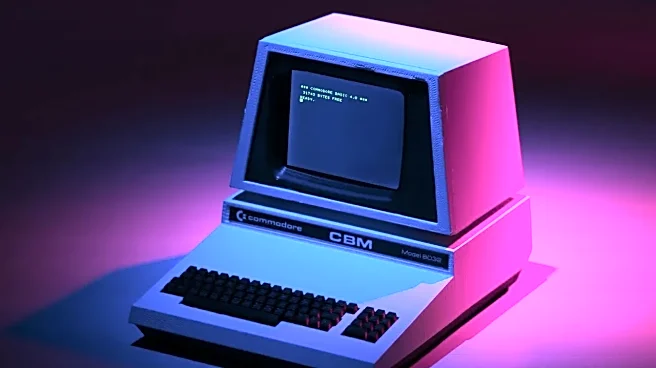
Think of the early internet (roughly 1991-2004) as a massive, disorganized public library. It was built by academics, hobbyists, and idealists on a simple, radical principle: information wanted to be free. This was Web 1.0. The 'design' wasn't a master
plan; it was an organic result of technological limits and a decentralized culture. Websites were static, acting like digital brochures or personal homepages. You could read content, but you couldn't really interact with it or create your own without knowing how to build a website from scratch. The experience was one-sided: a few people created, and many people consumed. There were no social media giants, no user logins on most sites, and no algorithms tracking your every move. The core design philosophy was about open access and connecting documents, not monetizing users. It was a digital Wild West, chaotic and clunky, but fundamentally open and owned by no one in particular.
Web 2.0: The Rise of the Platform Kings
Around the mid-2000s, the internet changed. It became interactive, social, and user-driven. This was Web 2.0, the internet we largely still inhabit today. For the first time, anyone could become a creator. Blogs, social media platforms like Facebook, and video-sharing sites like YouTube empowered users to share their lives, thoughts, and work with a global audience. This shift from 'read-only' to 'read-write' was revolutionary. But here’s the real reason it was designed this way: a new business model emerged. The interactivity wasn't just for fun; it was for data. Platforms offered 'free' services in exchange for user-generated content and personal data, which they then monetized through targeted advertising. Power, which was once decentralized in Web 1.0, became heavily centralized in the hands of a few tech giants. These companies built massive, closed ecosystems—walled gardens—that were easy to use but hard to leave. The design wasn't about empowering users, but about engaging them to extract value.
Web 3.0: The Dream of a User-Owned Internet
Web 3.0 is less a finished product and more of a rebellion against the kingdom of Web 2.0. Coined by Ethereum co-founder Gavin Wood, the core idea is to fix the problems created by centralization. If Web 1.0 was 'read-only' and Web 2.0 was 'read-write,' Web 3.0 aims to be 'read-write-own.' It’s built on technologies like blockchain, which acts as a secure and transparent ledger that isn't controlled by any single company. This new architecture is designed to shift power back to individuals. In a Web3 world, you would theoretically own your data, your content, and your digital identity. Instead of a platform owning your followers or creative work, you would. This allows for what proponents call censorship resistance and a more equitable distribution of value. It’s a direct, intentional design choice to dismantle the data-hoarding business models of Web 2.0.
So, Was It All By Design?
The truth is, there was never one grand design for the web. Each era's architecture was shaped by the dominant forces of its time. Web 1.0's design was ideological, born from an academic desire for open information sharing. It was decentralized by default. Web 2.0's design was commercial and opportunistic; its centralized structure wasn't a technical necessity but the most efficient way to build a business based on data collection. The platforms that made sharing easy won, and their architecture became the internet's dominant blueprint. Web 3.0's design is consciously reactionary. It's an attempt to embed a different set of values—ownership, privacy, and decentralization—directly into the web's foundation. It’s a direct challenge to the idea that a handful of corporations should control our digital lives. The 'real reason' for the web's evolution isn't a single visionary plan, but a constant battle between competing philosophies about power, control, and value.