







The Official Story: A Tale of Two Cities
On the surface, the narrative seems straightforward. In recent years, payment-processing giant Stripe evolved from a single San Francisco-based operation to a company with two official headquarters: one in South San Francisco and another in Dublin, Ireland.
The company framed the expansion, particularly the major new Dublin campus opened in late 2025, as a commitment to its global and European growth. Co-founder John Collison, an Irish native along with his brother and CEO Patrick, proudly stated the company was doubling down on its Irish roots to support the continent's booming internet economy. This dual-HQ model, with hubs for engineering, sales, and operations on both sides of the Atlantic, was presented as a natural step for a company serving millions of businesses worldwide.
The Silicon Valley Shuffle
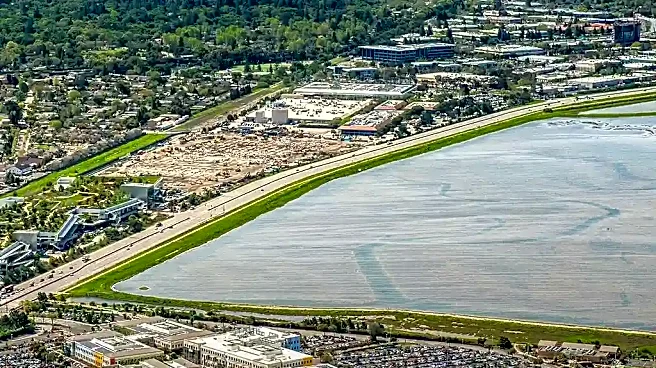
Before the Dublin expansion made headlines, Stripe had already made a quieter, but significant, move. In 2019, the company announced it would relocate its main base from the heart of San Francisco to a new, larger campus in South San Francisco. While only a few miles apart, the two are separate cities with different tax structures. At the time, the reasons were practical: Stripe was outgrowing its space, and the cost and regulatory environment of San Francisco proper were becoming burdensome. This micro-migration was an early signal that even homegrown tech giants were no longer willing to accept the costs of a prestigious downtown address as a foregone conclusion. It was the first step in decentralizing the company's center of gravity.
A Global Hunt for Talent
The shift away from a single, centralized headquarters is about more than just taxes and real estate. It’s fundamentally about talent. The Collison brothers have been outspoken advocates for remote and hybrid work, arguing that restricting hiring to a single geographic area is a massive strategic disadvantage. They believe that designing a company for top performers means allowing them to be productive wherever they are, whether in a major office hub or a cabin in Idaho. By establishing major hubs in places like Dublin and Seattle, and hiring remotely across the globe, Stripe gains access to a far wider talent pool. This approach allows the company to tap into Europe's deep well of engineering talent and build a more resilient, distributed workforce that isn't dependent on the hyper-competitive and costly Bay Area labor market.
The Founders' Footprint
The choice of Dublin as a second headquarters is no accident. The Collison brothers were born and raised in Ireland, and their personal history provides a powerful strategic advantage. This isn’t just a sentimental homecoming; it’s a calculated move that leverages their deep roots and understanding of the local landscape. The Dublin hub isn't just another corporate office; it’s a center of gravity where the founders have a natural network and where the company has actively invested in the local tech and science ecosystem for years. This personal connection transforms Dublin from a mere operational outpost into a genuine second home for the company, embedding Stripe in a community where its leadership is already deeply connected.
The New Headquarters Playbook
Ultimately, Stripe's decision isn't one move, but a collection of them that writes a new playbook for scaling a global tech company. The era of a single, monumental Silicon Valley campus as the undisputed center of the universe is fading. Companies like Oracle and Tesla have made high-profile exits from California altogether, seeking friendlier business climates in states like Texas. Stripe’s strategy is more nuanced: it maintains a strong Bay Area presence while aggressively building out other global centers and embracing remote work. This hybrid approach—part micro-migration, part international expansion, part remote-first ethos—is the 'real reason' for the change. It’s a model built for a future where talent, not a zip code, defines a company's power.