





From Cloud King to AI Architect
For the better part of a decade, Microsoft’s strategy was simple and wildly effective: build a massive, global cloud platform called Azure and rent out its storage, databases, and computing power to businesses around the world. It was a race for scale,
and Microsoft ran it brilliantly, turning Azure into a dominant force. But the ground is shifting. The new strategy isn't about abandoning the cloud, but building a smarter layer on top of it. Think of it this way: cloud infrastructure is the plumbing and electricity of the digital world—essential, but a utility. AI agent platforms are the smart devices and automated systems that actually use that power to get things done. Microsoft is betting that the future belongs not to the company with the most servers, but to the one that provides the most intelligent 'operating system' for AI.
So What Is an 'AI Agent'?
The term sounds like something out of science fiction, but the concept is becoming a business reality. Until recently, AI like Microsoft's Copilot has been an 'assistant'—it could answer a question, summarize a document, or suggest code when prompted. An AI 'agent,' however, is designed to be an autonomous worker. It moves beyond simply responding and starts completing multi-step tasks on its own. Imagine an AI that doesn't just help you write an expense report, but can receive an emailed receipt, open the expense app, fill out the form, submit it for approval, and archive the email, all with minimal human intervention. That’s the agentic shift. These agents are built to interact with different apps, use tools, and actively manage workflows across an organization.
Copilot Is Becoming the New Windows
Microsoft's main vehicle for this strategy is the rapid evolution of Copilot. It started as a feature inside apps like Word and Teams but is being transformed into a full-fledged platform. Using a tool called Copilot Studio, businesses can now design, test, and deploy their own custom agents. These agents can be given specific instructions, access to company data, and the ability to orchestrate processes across Microsoft 365, Dynamics, and even other third-party enterprise systems. In essence, Microsoft wants Copilot to be the interface for a new era of computing—much like Windows was for the PC. Instead of clicking on app icons, users will interact with agents that can call upon various tools to achieve a goal.
Why Make Such a High-Stakes Bet?
The move is driven by both opportunity and necessity. The opportunity is to own the next dominant computing platform. Just as the world moved from desktops to web to mobile, many in tech believe agentic AI is the next frontier. The necessity comes from the commoditization of the cloud. While profitable, renting infrastructure is a business where price competition is fierce. Moving up the value chain to sell intelligence and automation offers a more durable competitive advantage. Furthermore, as businesses become wary of AI's complexity, they are looking for trusted platforms that provide security, governance, and control. Microsoft is positioning itself as the 'adult in the room' for enterprise AI, leveraging its deep relationships and security credentials to make businesses comfortable with deploying autonomous agents.
It's Not Just in the Cloud Anymore
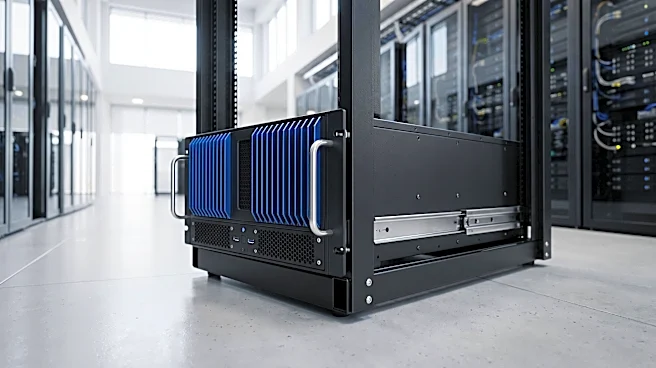
A fascinating part of this strategy is that it’s not solely reliant on massive data centers. Microsoft is also pushing a 'hybrid intelligence' model where AI workloads can run on powerful new PCs or in the cloud. This 'edge computing' approach has several benefits: it can be faster, more private (as sensitive data doesn't have to leave the device), and more cost-effective. The PC becomes an active participant in the AI ecosystem, capable of running smaller models locally while calling on the cloud for more demanding tasks. This makes the Windows operating system itself a critical component of Microsoft's agent platform strategy, deciding intelligently where best to run each task.