
Cloudflare: The Network is the Computer, Redux
Sun's famous slogan, "The Network is the Computer," was a visionary statement in the 1980s that saw a future of distributed computing. That future is now the cloud, and Cloudflare is arguably its most
faithful modern executor. By building a massive global network designed to secure and accelerate web traffic, Cloudflare lives and breathes the idea that the network itself is the programmable platform. It's so central to their identity that in 2019, they acquired the rights to the trademarked slogan. While Sun built the powerful servers that were the nodes of the early internet, Cloudflare builds the intelligent tissue connecting everything, taking on giants like Amazon Web Services in the process.
Tesla: The Maverick Brawling with an Industry
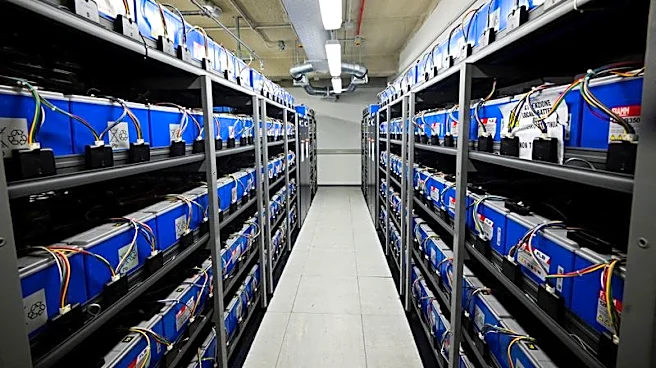
McNealy was known for his take-no-prisoners competitive style, often directing his sharpest barbs at the dominant players of his era. Tesla, and its equally outspoken CEO, follows a similar playbook. Just as Sun challenged the staid mainframe and PC establishments, Tesla has taken on the entire automotive industry. The parallel runs deeper than just attitude. Sun insisted on tightly integrating its own hardware (SPARC chips) and software (Solaris OS) to deliver performance no one else could match. Tesla does the same, with its extreme vertical integration allowing it to control everything from battery manufacturing and software to its own charging infrastructure and sales process, giving it an innovative edge that legacy automakers struggle to counter.
Nvidia: The Engineering-First Ecosystem Play
Sun was, at its heart, an engineering company that won by creating a powerful, sticky ecosystem around its technology. Its SPARC processors and Solaris operating system created a loyal developer following. Nvidia has executed this strategy to perfection in the age of AI. While it makes hardware—impossibly powerful GPUs—its true dominance comes from CUDA, its software platform. Released in 2006, CUDA allows developers to harness the parallel processing power of Nvidia's chips. By investing for years in developer tools, libraries, and university partnerships, Nvidia built a deep moat that makes its hardware the default choice for AI research and deployment, locking in customers and locking out competitors.
Snowflake: The Upstart Taking on the Database King
Sun's story ended when it was acquired by Oracle, the database giant. There is a certain poetic justice, then, in watching Snowflake. Founded by former Oracle engineers, Snowflake has launched a direct assault on the traditional database market that Oracle has dominated for decades. While Oracle's roots are in on-premise hardware and complex licensing, Snowflake was built from the ground up for the cloud. Its key innovation—separating data storage from computing power—offers flexibility and cost savings that legacy systems can't match. Just as Sun represented a new way of thinking about computing, Snowflake represents a new, cloud-native architecture for data that is rapidly stealing market share from the old guard.
AMD: The Tenacious Underdog Finally Winning
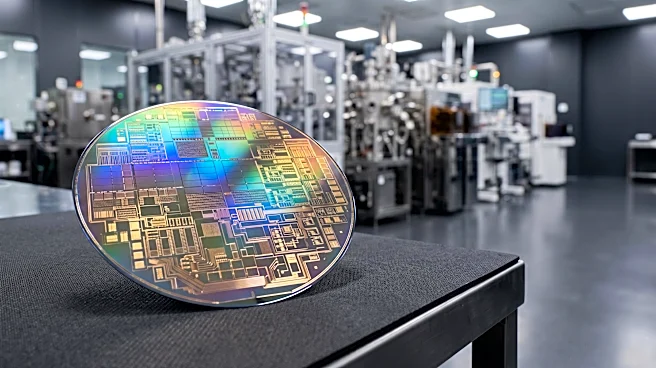
For much of its history, Sun defined itself against a single, massive competitor: Microsoft in software and, by extension, the "Wintel" duopoly of Intel on the hardware side. Sun's scrappy, underdog fight is mirrored perfectly in the story of AMD. For decades, AMD battled Intel for a sliver of the x86 processor market, often seen as a perpetual second-place finisher. However, through sustained, multi-generational engineering focus with its Zen architecture, AMD has mounted a historic comeback. It has steadily clawed back market share from a dominant rival, particularly in the lucrative data center and desktop PC markets, proving that a relentless focus on product execution can topple even the most entrenched industry leader.