



The 'Deliver Anything' Philosophy
While competitors like Grubhub initially focused only on restaurants that already had their own delivery drivers, Postmates co-founder and CEO Bastian Lehmann had a much broader vision. Inspired by a personal frustration in 2005 when trying to ship a snowboard
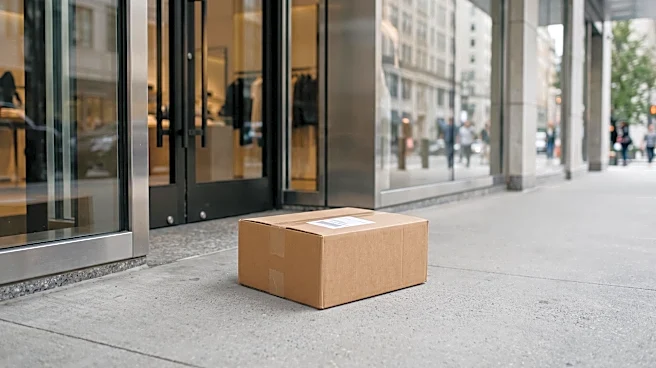
across cities, Lehmann envisioned a universal urban logistics network. The idea wasn't just to deliver food, but to deliver anything from any store or restaurant, effectively creating a decentralized courier system for cities. This 'get it now' approach was the foundation of their moat. By building a platform that could handle the complexity of delivering groceries, alcohol, and retail goods, not just restaurant meals, Postmates created a far more flexible and versatile service. This allowed them to tap into a wider range of customer needs and partner with a diverse set of local merchants, from small boutiques to national chains.
Building the Three-Sided Marketplace
The true challenge, and the part analysts often underestimated, was building a complex three-sided marketplace from scratch: customers, merchants, and couriers. This was a logistical nightmare. In the early days, with no official merchant partners, Postmates couriers famously used pre-paid debit cards to buy whatever customers ordered, from wherever they ordered it. This strategy, while messy and expensive, allowed them to scale supply and selection almost instantly without needing formal sales agreements. It meant any restaurant or store could effectively be on Postmates, a massive advantage over more restrictive platforms. While Wall Street fixated on the high cash burn and lack of profitability, Lehmann and his team were relentlessly focused on building the network density and operational know-how to make 'deliver anything' a reality.
Why Wall Street Got It Wrong
Financial analysts tend to focus on clear, quantifiable metrics: market share in a specific vertical, profitability per order, and customer acquisition cost. By these standards, Postmates often looked like it was losing. It spread itself thin across many cities and categories instead of dominating one, which allowed DoorDash to gain a commanding lead in suburban food delivery. Postmates was seen as a high-spending, low-market-share player in a cutthroat food fight. But this view missed the moat: Postmates wasn't just a food delivery company; it was a flexible logistics engine. Its expertise in 'delivery-as-a-service' and its strong relationships with a wide variety of local merchants were assets that didn't fit neatly into a spreadsheet comparing it to DoorDash. The brand had an undeniable urban, lifestyle-centric appeal, particularly in markets like Los Angeles, but its true value was in the infrastructure it had built to deliver more than just a meal.
The Ultimate Validation: The Uber Acquisition
The quiet strategy was ultimately vindicated in July 2020, when Uber acquired Postmates for $2.65 billion. At the time, Uber's ride-hailing business had been crushed by the pandemic, and its own food delivery arm, Uber Eats, was in a battle for survival. Uber didn't just buy a rival; it bought a strategic asset. Postmates brought a highly complementary user base, strongholds in key markets like the Southwest, and, most importantly, the pioneering expertise in delivering groceries, essentials, and other goods. This was the moat Wall Street had overlooked. Uber recognized that the future of delivery wasn't just about restaurants; it was about local commerce. Postmates had already built the playbook. The acquisition was a validation that Lehmann's decade-long vision of a flexible, 'deliver anything' network was not a weakness, but a multi-billion dollar strength.