


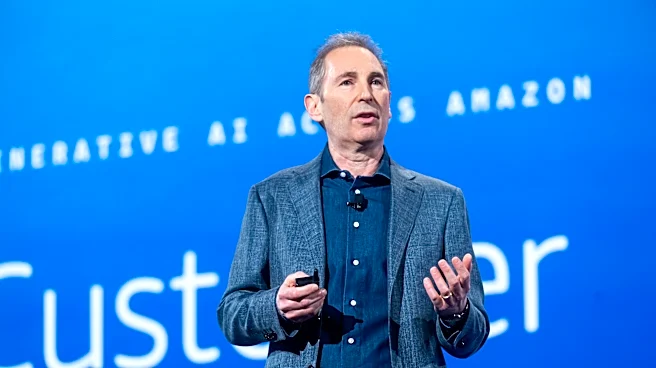

As the tech world descends on Las Vegas for AWS re:Invent 2026, the conversation has shifted from simple chatbots to complex, autonomous systems. This year's announcements will likely set the blueprint for the next era of enterprise computing.
The Rise of Agentic AI
For the
past couple of years, we have been obsessed with generative AI that can write a poem or summarize a meeting. But the real shift happening now is toward agentic AI. We are moving from models that simply answer questions to agents that can interpret goals, plan multi-step tasks, and actually execute actions. At re:Invent, the big question is how AWS will provide the tools to make these autonomous agents reliable enough for high-stakes corporate environments.
Bedrock and Model Orchestration
Amazon Bedrock has quickly become the backbone of the AWS AI strategy. Rather than forcing companies to pick just one model, Bedrock allows businesses to tap into a variety of foundation models through a single managed platform. This flexibility is crucial for enterprises that want to swap models as better ones emerge without rebuilding their entire software stack from scratch.
The Amazon Nova Evolution
AWS is not just a middleman for other companies' models; they are building their own. The Amazon Nova family represents the company's direct bet on multimodal generative AI. Watch for updates on how Nova improves reasoning capabilities and how it integrates more deeply with existing enterprise data to provide more accurate, context-aware outputs.
Custom Silicon: Trainium and Graviton
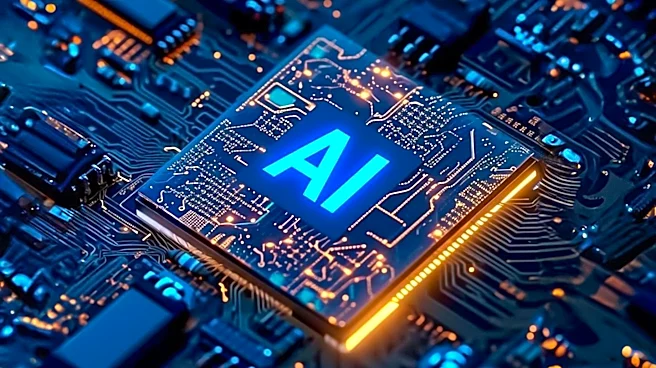
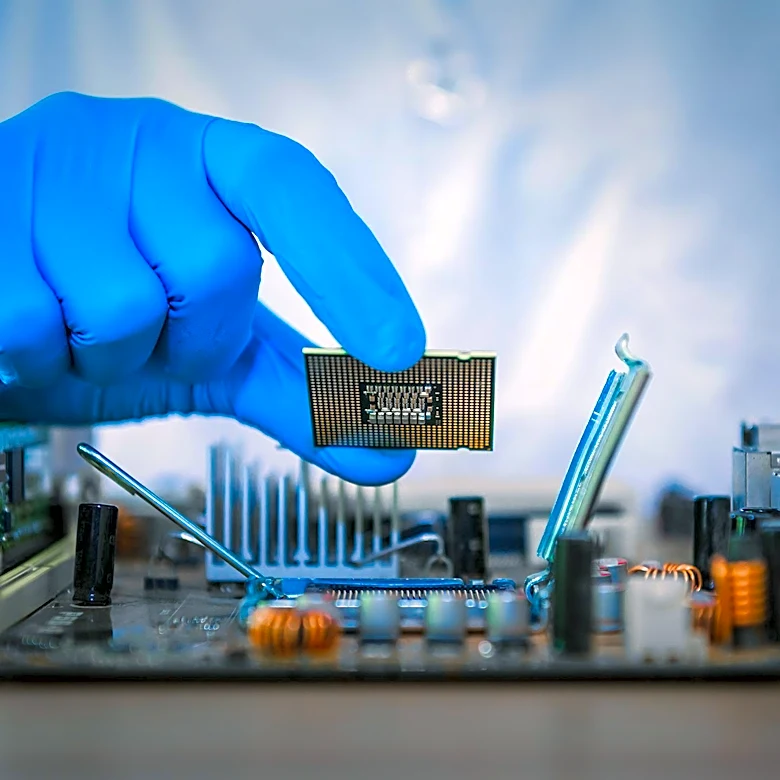
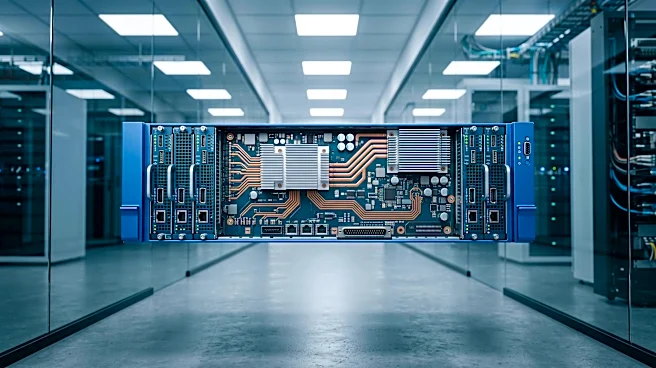
AI is incredibly hungry for power, and general-purpose chips are struggling to keep up with the demand. AWS is leaning heavily into its own custom silicon. While Graviton chips focus on general cloud efficiency, the Trainium family is specifically designed to accelerate the massive training and inference workloads required by modern AI. This vertical integration is key to keeping costs from spiraling out of control.
Moving from Experiment to Production
The honeymoon phase of AI experimentation is ending. Companies are now facing the 'last mile' problem: how to take a cool demo and turn it into a stable, cost-effective, and scalable production service. This year's focus will likely be on reducing inference costs and improving the quality of responses so that AI can actually handle real-world business logic.
Agent Memory and Context
An agent that forgets what you said two minutes ago is useless in a business setting. A major architectural theme this year is how to provide agents with long-term memory and better context management. This involves sophisticated ways to store and retrieve corporate data so that an AI agent can act as a true digital teammate rather than a temporary assistant.
Governance and Guardrails
As AI agents gain the ability to take actions—like moving money or accessing sensitive files—the risks skyrocket. Governance, privacy, and security are no longer afterthoughts; they are central to the architecture. We expect to see new tools for controlling agent behavior and ensuring that AI operations remain within the strict boundaries set by human supervisors.
Data Integration and RAG
AI is only as good as the data it can access. The integration of AI with existing enterprise data silos is a massive hurdle. The evolution of Retrieval-Augmented Generation (RAG) and how AWS simplifies the connection between foundation models and proprietary corporate data will be a cornerstone of the 2026 roadmap.
Scalable Infrastructure for Inference
Training a model is one thing, but running it for millions of users is another. The architecture of the future must solve the scaling problem. This means optimizing how data moves through data centers and ensuring that the underlying network and storage can handle the massive throughput required by real-time AI applications.