







Two Brains, Two Very Different Philosophies
At the heart of the debate are two fundamentally different approaches to AI. Google, with its new Gemini-powered features, is leaning into its strength: a massive, cloud-based understanding of the world. Its strategy is to create an “agentic” AI that
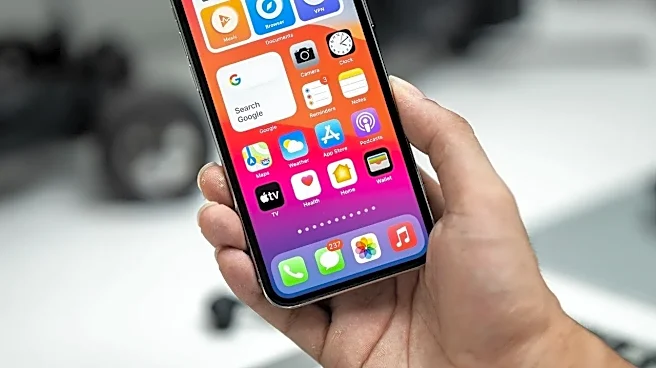
can proactively complete complex, multi-step tasks for you, often before you even ask. It leverages its vast data centers and deep integration with services like Gmail, Maps, and Photos to create a powerful, all-knowing assistant. Apple, with its 'Apple Intelligence', is taking a more privacy-centric path. Its system is designed to perform as many tasks as possible directly on the device, using the powerful new A20 Pro chip in the iPhone 18 Pro. When it does need the cloud, it uses a secure system designed to keep your personal data private. This creates a core trade-off: Google’s world-aware power versus Apple’s user-aware privacy.
Your Daily Digital Co-pilot
This philosophical split directly impacts how each phone helps you through your day. The Pixel 11's version of Gemini aims to be an ever-present collaborator. It’s more than a voice assistant; it’s designed to manage workflows, like having it access your email for a flight confirmation code that it then surfaces when you open a ride-sharing app at the airport. For iPhone 18 users, Siri gets a major boost from Apple Intelligence, making it more aware of your personal context. It can access information across your apps to complete tasks, like finding photos of a specific person and adding them to a note. However, its knowledge is intentionally walled off within the Apple ecosystem for privacy, while Gemini's power comes from its connection to the wider web. The Pixel is about delegating tasks to a powerful agent; the iPhone is about having a more capable tool for tasks you control.
The Camera Gets a Mind of Its Own
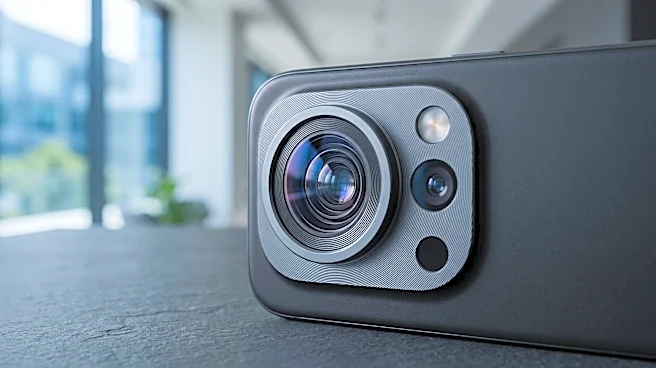
The AI war extends directly to photography. Google’s Pixel line has always been a leader in computational photography, and the Pixel 11 pushes this further into generative AI. New features like 'Magic Capture' are rumored to automatically analyze short video clips and pick out the best possible still photos, doing the editing work for you. This is on top of existing tools that allow for radical, AI-driven image manipulation. Apple, by contrast, uses AI to enhance what’s already there. The iPhone 18 Pro introduces features like a variable-aperture camera system and focuses its AI on producing more natural-looking photos with better sharpness and clarity in tricky lighting. While it offers powerful video tools, the focus is on giving the user more control rather than having the AI make creative decisions. The Pixel 11 offers a magic wand; the iPhone 18 offers a more advanced camera.
Performance and The Ecosystem Lock-In
When it comes to raw power, early benchmarks suggest Apple’s A20 Pro chip in the iPhone 18 Pro has a significant performance advantage over the Tensor G6 in the Pixel 11, especially for demanding tasks and gaming. This on-device power is what enables Apple's privacy-first AI approach. But the decision isn't just about one device. Both companies are building AI that deeply integrates with their ecosystems. Gemini is becoming the center of the Android experience, connecting your phone, apps, and future wearables. Likewise, Apple Intelligence creates a seamless experience between an iPhone, Mac, and Apple Watch, allowing Siri to perform tasks across devices. Choosing a phone is also choosing the AI ecosystem you’ll live in for the next several years.