





What Exactly Is a Digital Fingerprint?
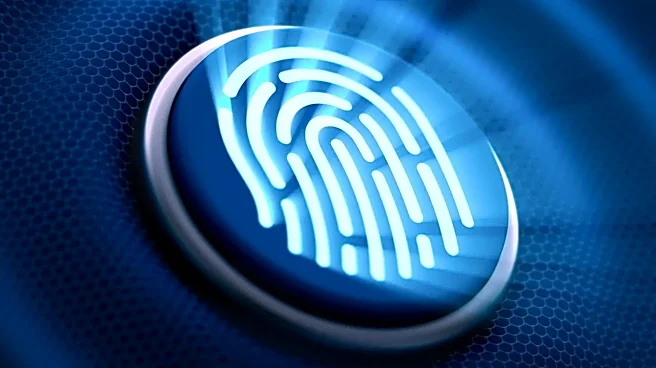
Think of it like an actual fingerprint, but for your computer or phone. It’s not one single thing, but a collection of dozens of tiny, distinct characteristics that, when combined, create a unique identifier for your specific device. This process happens
silently in the background whenever you connect to a network or visit a website. The information gathered can include your device's operating system, screen resolution, browser version, language settings, time zone, and even the fonts you have installed. While each data point is common on its own, the specific combination is often unique enough to distinguish your device from millions of others. This resulting ID, often a string of text and numbers, is known as a digital fingerprint.
The Different Layers of Identification
Fingerprinting isn't a single technique but a family of them operating at different levels. The most well-known is browser fingerprinting, which pulls data revealed by your web browser. A more advanced version is device fingerprinting, which gathers deeper hardware and software details to create an even more stable profile of a machine. But it goes deeper into the network itself. TLS fingerprinting analyzes how your device initiates a secure connection—the so-called "TLS handshake." Before any encrypted data is even exchanged, the specific combination of cipher suites and extensions your client offers acts like a signature, revealing the type of software making the request (e.g., Chrome on a Mac versus a malicious script). These techniques can be either "passive," where data is observed from normal traffic, or "active," where a server sends specific probes to elicit a revealing response from the device.
The Good: A Pillar of Modern Security
This technology is a critical, if unsung, hero of cybersecurity. Network administrators use fingerprinting for essential defense tasks. It helps them identify and catalog every device on their network, spot unauthorized machines, and enforce security policies. For websites and financial institutions, fingerprinting is a frontline defense against fraud. If a user's credentials are stolen, but the login attempt comes from a device with an unknown fingerprint, the system can flag the activity as suspicious and require extra verification. It's also a powerful tool for identifying and blocking automated bot attacks, such as those used in credential stuffing or Layer 7 DDoS attacks, where malicious traffic may come from thousands of different IP addresses but share the same underlying software fingerprint.
The Bad: The Persistent, Cookieless Tracker
The same qualities that make fingerprinting great for security also make it highly effective for tracking users online, raising significant privacy concerns. Because these fingerprints are generated from the inherent characteristics of a device, they can create a persistent identifier that works even if you clear your cookies, use private browsing mode, or change your IP address with a VPN. This makes fingerprinting a popular method for advertising networks to track your activity across different websites, building a detailed profile of your interests and habits without your explicit consent. This can be used for everything from targeted advertising to price discrimination, where a site might show different prices to different users based on their perceived location or browsing history.
An Evolving Cat-and-Mouse Game
The rise of fingerprinting has led to an ongoing battle between trackers and privacy advocates. Some modern web browsers, like Firefox, have begun implementing anti-fingerprinting measures that attempt to standardize the information they send, making it harder to create a unique profile. However, as browsers try to blend in, fingerprinting techniques become more sophisticated. Methods like canvas fingerprinting, which analyzes tiny variations in how your device's graphics card renders an image, can still ferret out unique traits. Experts now say that for tracking or blocking to be truly effective, systems must look for a coherent story across multiple layers—from the TLS handshake to HTTP headers and browser behavior—making it much harder for anyone, whether a fraudster or a privacy-conscious user, to completely mask their identity.