







The Phantom Thief at the Café
One of the most enduring stories of cookie theft is one that never actually happened. It’s a well-known urban legend that has circulated for decades. The story goes like this: A person buys a small bag of cookies at a train station or café and sits down
at a shared table. A stranger sits opposite them and, without a word, opens the bag and eats one. Appalled, the first person eats one in defiance. They go back and forth until only one cookie is left. The stranger splits it in half, smiles, and leaves. Fuming, the person reaches into their own bag to grab something… only to find their unopened package of cookies. The thief was a phantom. The vulnerability exposed here isn't a faulty lock or a sleeping guard; it's our own perception. The tale highlights our tendency to assume the worst in others while remaining completely oblivious to our own errors, a psychological blind spot that makes for a powerful, if humbling, lesson.
The Four Cookies Worth a Life Sentence
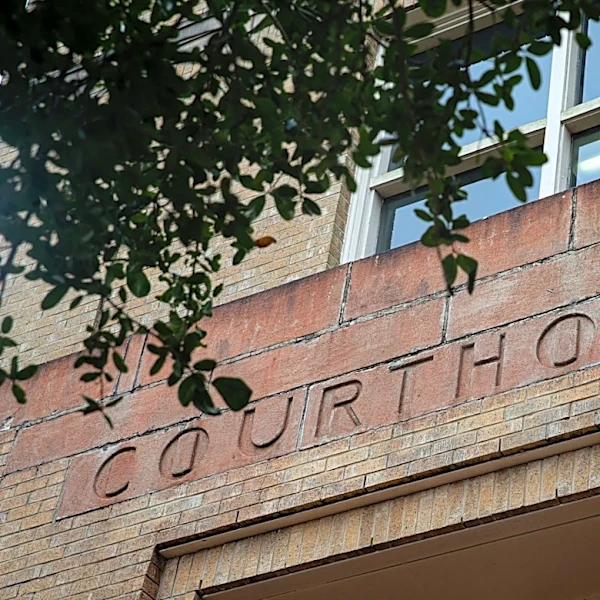
In 1995, a homeless man named Kevin Weber broke into a restaurant in Santa Ana, California, and stole four cookies. It was a petty crime that, in most circumstances, would result in a minor punishment. But for Weber, it was his third offense. Under California's controversial "Three Strikes and You're Out" law, this minor theft triggered a sentence of 25 years to life in prison. The case became a lightning rod for critics of the law, who argued the punishment was cruelly disproportionate to the crime. An appeals court upheld the sentence, with one justice noting, "A safe-cracker who cracks an empty safe is nonetheless a safe-cracker." The true vulnerability this incident revealed was not in the restaurant's security, but in a rigid legal system where mandatory sentencing could turn a desperate grab for a handful of cookies into a lifelong prison term. It’s a chilling example of how a system designed to punish hardened criminals could ensnare others with devastating consequences.
The Million-Dollar Baker's Betrayal
For nearly a decade, the Collin Street Bakery in Corsicana, Texas—world-famous for its fruitcakes—was the victim of a massive, silent heist. The thief wasn't a cat burglar in the night, but the company's own trusted comptroller, Sandy Jenkins. Starting in 2004, Jenkins began writing fraudulent checks to himself, eventually embezzling an astonishing $16.7 million. He funded a lavish lifestyle that included a fleet of luxury cars, a private jet, and a cellar stocked with fine wine, all while the bakery's finances showed unexplained losses. The vulnerability wasn't a lack of security cameras; it was a profound failure of internal controls and an overabundance of trust. The company had put one man in charge of its finances with insufficient oversight, allowing him to bleed the business dry for years before a new accountant finally noticed a discrepancy. It was a classic case of the fox guarding the henhouse, proving that sometimes the biggest threat is already inside.
Operation Cookie Monster: The Digital Heist
The most modern form of cookie theft has nothing to do with baked goods. In April 2023, the FBI announced a massive international takedown of a criminal marketplace called Genesis Market, wryly codenamed "Operation Cookie Monster." This platform didn't sell Oreos; it sold stolen browser "cookies." These tiny data files are what websites use to remember your logins, preferences, and shopping carts. By stealing these cookies, hackers could bypass passwords and two-factor authentication entirely, gaining instant access to victims' email, social media, and bank accounts. The vulnerability is fundamental to how we experience the internet. We rely on cookies for convenience, but that convenience creates a backdoor for sophisticated criminals. This high-tech heist shows that in the 21st century, the most valuable cookies aren't stored in a jar, but on your computer, and the threat is no longer a simple thief, but a global network of invisible cybercriminals.