





First, What Is Capex?
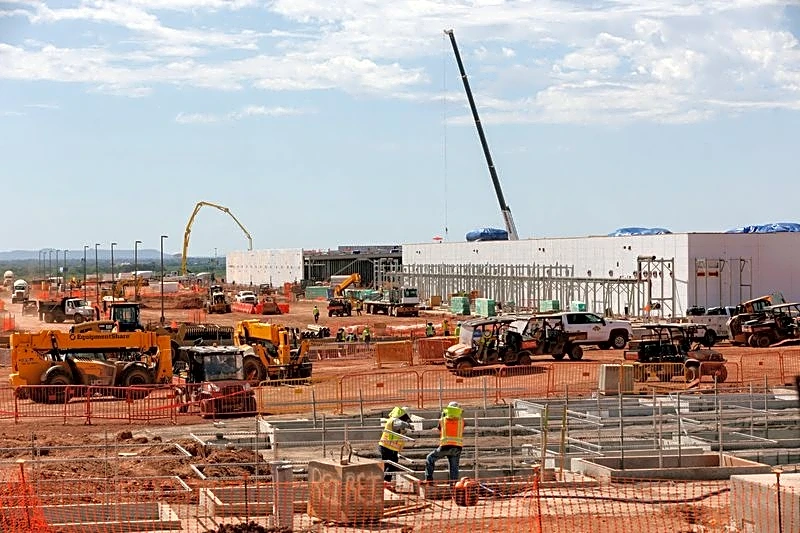
Let’s start with the key term: Capex, or capital expenditures. Think of it as the money a company spends on physical things—buildings, machinery, and equipment—to grow its business. In the world of AI, Capex means building massive, power-hungry data centers
and filling them with torrents of specialized computer chips. These are the factories of the 21st century, and the price tag is astronomical. We're talking about hundreds of billions of dollars a year from giants like Microsoft, Google, Amazon, and Meta, with analysts forecasting the bill could reach $1 trillion annually by 2027.
An Arms Race Fueled by Billions
The current spending isn't just big; it's an arms race. To compete in AI, companies believe they have no choice but to spend, and spend heavily. This isn't discretionary; it's seen as essential to survival and future growth. The demand for AI computing power has consistently outstripped supply, creating a gold-rush mentality where the biggest players are spending whatever it takes to secure their spot. This has been a massive windfall for the companies that supply the parts, like chipmakers and data center builders, who are seeing incredible earnings growth. The spending is so intense that AI capex is on track to consume nearly all of some hyperscalers' cash flow from operations in 2026, a massive jump from just a third in 2023.
The ROI Question Mark
Herein lies the anxiety. While the spending is very real and happening now, the massive profits are still largely theoretical. Investors are asking a simple, nagging question: when will these multi-billion-dollar investments deliver a return? It’s like building a dozen multi-billion-dollar theme parks at once and hoping the ticket sales will eventually cover the construction costs. On recent earnings calls, the market has shown its nervousness. Meta, for example, saw its stock drop after raising its spending forecast to as high as $145 billion for 2026, a move that contributed to its first negative free cash flow since 2012. Investors who once cheered higher capex as a sign of confidence now see it as a risk.
It’s a Question of ‘When,’ Not ‘If’
No one is seriously questioning that AI is the future. The anxiety is about timing, execution, and cost. The debt and equity markets that have been happily funding this buildout are becoming less accommodating, making it more expensive to borrow. The fear is that some companies are caught in a cycle of spending just to keep up, potentially overinvesting before a clear and profitable customer market has fully materialized. The demand for cloud services is strong, but the new, premium AI features are what need to justify this historic level of investment. The market is transitioning from rewarding companies for spending to demanding proof that the spending is paying off.