







The Original Recipe: A Digital Menu Book
In 2004, software developers Matt Maloney and Mike Evans were tired of the hassle of ordering food from their Chicago office. They found themselves shuffling through paper menus and making inaccurate phone orders. Their solution was simple but brilliant:
create a website that digitized restaurant menus, allowing users to find which local spots delivered to their address. The initial Grubhub was a pure software play. It was an aggregator, a lead-generation tool for restaurants. Evans, in particular, championed this asset-light model. The goal was to build a high-margin tech platform that connected diners and restaurants without getting involved in the messy, real-world business of food delivery itself. It was clean, scalable, and profitable.
The Fork in the Road: Software vs. Logistics
As Grubhub grew, a critical question emerged, creating a philosophical divide between the co-founders. Mike Evans believed the company's strength was its software and the high-profit margins that came with being a simple marketplace. He saw Grubhub as a technology partner for restaurants, not their delivery service. On the other hand, Matt Maloney developed a different vision. He argued that to truly own the market and provide a complete customer experience, Grubhub needed to control the entire process—including the delivery. This meant building a massive, capital-intensive logistics network of drivers, a move that would fundamentally change the company's DNA from a tech platform into an operations powerhouse.
Why Delivery Won: The Market Forces a Pivot
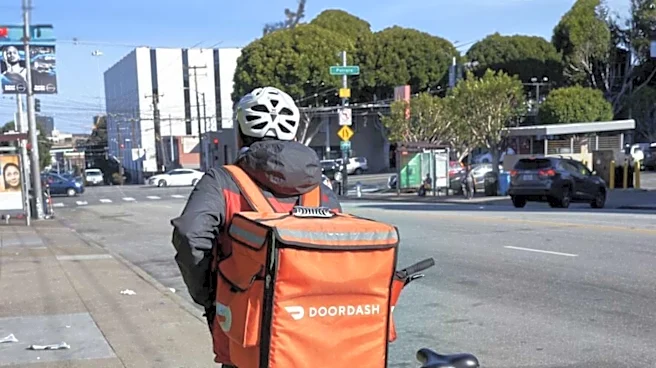
Maloney’s vision ultimately won the day, not just through internal debate, but because the market forced the company’s hand. New, aggressive competitors like DoorDash and Uber Eats entered the scene, and they weren't building simple directories; they were building full-stack logistics companies from day one. They signed up restaurants that had never offered delivery before, vastly expanding the available options for consumers. To compete, Grubhub had to match their service. In 2015, the company officially launched its own delivery service, a pivot that was necessary for survival and growth. It allowed Grubhub to partner with a wider array of restaurants and maintain its market position, but it also dragged the company into a costly, low-margin war for market share.
The Lasting Legacy of a Disagreement
The decision to become a logistics company defined Grubhub's entire future. It fueled a period of massive growth and led to its IPO, but the strategic shift came at a cost. The high-margin software business Evans had championed was replaced by a low-margin, high-burn-rate operational model. The intense competition and operational complexity took a toll. Evans amicably left the company in 2015, the year after its IPO and the same year it fully committed to the delivery model he had resisted. While he expressed pride in what they built, his departure marked the end of an era. The company he co-founded was now on a path he hadn't originally intended, one that ultimately led to its acquisition by Europe's Just Eat Takeaway.com as the delivery wars consolidated.