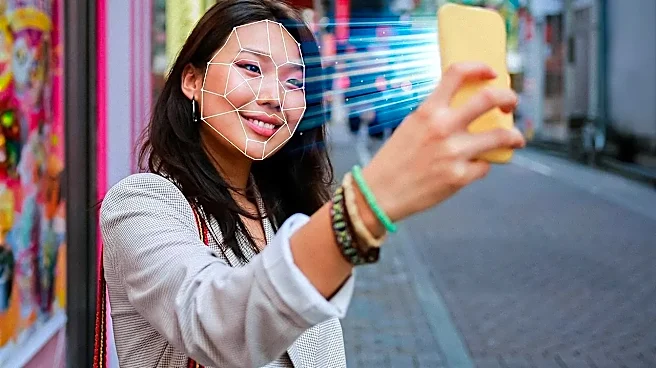







The latest AI selfie app has gone viral, filling your social media feeds with stunning, stylized portraits. It seems like harmless fun, but the 'free' price tag hides a critical question: what are you giving away in return?
More Than Just a Pretty Picture
When you upload a handful of
selfies to generate an AI avatar, you're handing over more than just the images. Many of these apps also collect a trove of other information. This can include technical details about your device, your IP address, and sometimes even your location data. A 2023 study of popular AI photo apps found that some of the most downloaded ones collect data across numerous categories, including contact info, user content, and unique device identifiers. The app's privacy policy—that lengthy document most users skip—often grants the company broad permissions. Once you agree, you might be allowing the app to track your activity not just within the app itself, but across other websites and apps, too. This collection is designed to build a detailed profile of you, far beyond what's needed to create a cool picture.
The Real Price of 'Free'
So, how do these 'free' apps make money? The answer lies in the value of your data. The images you provide are a perfect resource for training artificial intelligence. One study found that over a third of AI photo apps analyzed admit to using your photos to train their algorithms. By processing millions of faces, the AI learns to become more accurate and capable. Some companies might also use your data for targeted advertising. Even more concerning, many apps include language in their terms of service that gives them a startling degree of ownership over your content. One analysis revealed that a shocking 75% of apps require users to grant them a license to use their photos for promotional purposes—potentially forever and without your knowledge. Vague policies often leave the door open for your data to be sold or shared with third-party partners, and once it's gone, you have no control over where it ends up.
Your Face Is Not a Password (But It Could Be)
The most significant risk involves the nature of the data itself: your face is a unique, unchangeable piece of biometric information. Unlike a password that can be reset if it's stolen, your facial geometry is permanent. When you upload clear, high-quality photos, you are providing the raw material needed to create convincing deepfakes or to potentially bypass facial recognition security systems on other platforms. While many app developers claim they delete your original photos after processing, it's nearly impossible for a user to verify this. Your facial data could persist on company servers, in backups, or as part of the AI models it helped train. This creates a long-term risk of identity theft and misuse that is far more serious than with other types of personal information.
Navigating a Patchwork of Protections
In the United States, there is no single federal law governing the collection of biometric data, creating a confusing patchwork of state-level rules. States like Illinois, Texas, and Washington have passed their own laws, but they vary in strength. Illinois' Biometric Information Privacy Act (BIPA) is considered the strictest, requiring explicit consent before collection and allowing individuals to sue for violations. However, you're often left to rely on the company's own policies. Before you download the next viral app, take a moment to investigate. Look for a clear privacy policy that explains what data is collected, how long it's stored, and whether it's used for AI training. Check your phone's settings to limit app permissions, and consider whether the fun of a few AI-generated images is worth the permanent digital record you might be creating.