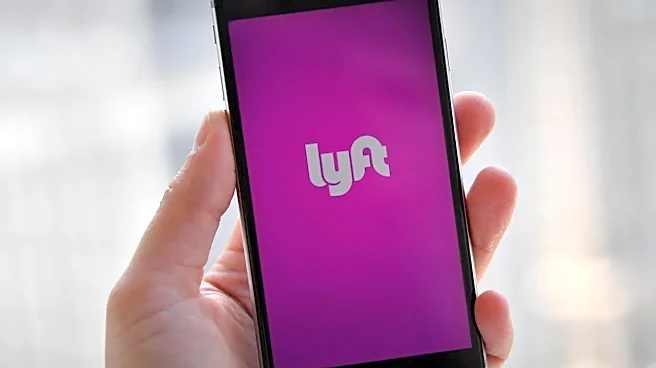






For years, the narrative surrounding Lyft was simple: it was a company that burned through cash to keep its wheels turning. That story has officially changed as the rideshare giant reveals a new, profitable reality.
From Burning Cash to Printing It
If you had asked an analyst a few years
ago about Lyft's long-term viability, the answer likely involved a heavy dose of skepticism regarding their burn rate. For a long time, the company was defined by its inability to stay in the black. However, the Q3 2026 results tell a completely different story. Lyft has successfully transitioned from a cash-consuming startup to a legitimate cash generator. In the third quarter of 2026 alone, the company generated $294.7 million in free cash flow. To put that in perspective, over the last twelve months, Lyft has produced $1.1 billion in free cash flow, marking its fifth consecutive quarter above the billion-dollar milestone. This isn't just a minor bump in the road; it is a fundamental shift in the company's DNA.
The Secret Sauce of Strategic Partnerships
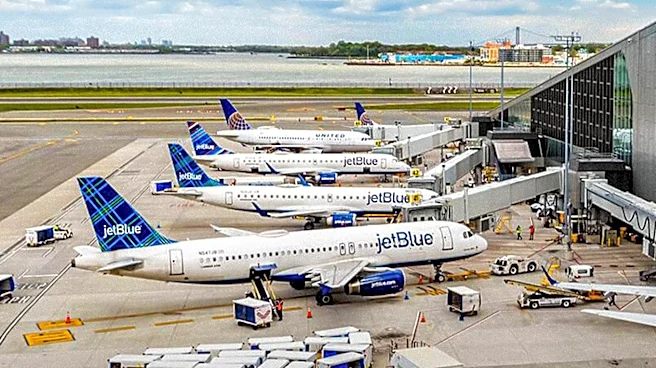
How did they do it? One of the most effective levers in their new playbook is the aggressive pursuit of partnerships. Instead of spending endlessly on traditional advertising to grab every single rider, Lyft has leaned into ecosystem plays. By linking with brands like DoorDash, United Airlines, and Chase, Lyft has ensured it remains a 'second app' on users' phones. These partnerships act as a low-cost customer acquisition engine, bringing riders into the Lyft ecosystem without the massive marketing spend typically required to win a customer from a competitor. This strategy has helped drive record numbers, with a significant portion of North American rides in Q3 2026 being directly linked to these partner programs.
The Fragility of the Bottom Line
Despite the massive cash generation, the company's path isn't without significant potholes. While the operational side of the business is humming, the GAAP profit remains incredibly thin and vulnerable to external shocks. In Q3 2026, Lyft actually reported a net loss of $9.7 million, a sharp reversal from the net income seen in the same period a year prior. This wasn't due to a lack of riders—active riders actually grew by 10% to 31.6 million—but rather a massive $117.9 million hit from legal and regulatory settlements. Specifically, a settlement regarding driver classification in California highlighted how a single legal hurdle can instantly wipe out a quarter of operational success. It serves as a reminder that while the business model is working, the legal landscape remains a volatile variable.
Winning the Unit Economics Game
Beyond the legal drama, there is a real story of operational efficiency unfolding. Lyft has managed to improve its unit economics, largely thanks to favorable shifts in insurance costs. In California, recent insurance reform has helped reduce the cost per mile, which is one of the largest expenses in the rideshare industry. This helped drive an adjusted EBITDA increase of 47% year-over-year. Furthermore, the company is seeing sustained demand for its premium tiers, such as Lyft Black and Extra Comfort, which have seen double-digit growth for thirteen consecutive quarters. This suggests that Lyft isn't just winning on price; it is winning on service quality and variety.