

The Sticker Shock of an AI Cluster
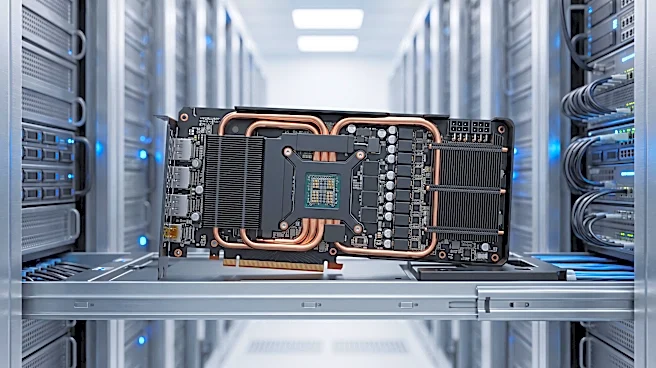
Let’s get the painful part out of the way first. Buying an AI cluster is not like buying a new server; it's a major capital expenditure. A single NVIDIA H100 GPU can cost anywhere from $30,000 to over $40,000. An entry-level, self-hosted cluster with
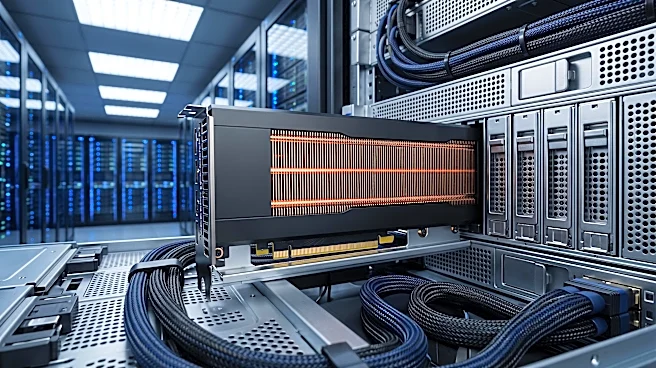
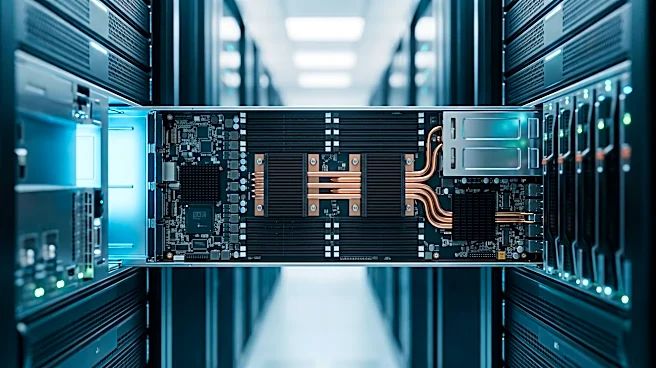
just eight of these cards can quickly soar past $300,000 in hardware costs alone before you've even powered it on. But the GPUs are just the start. Building an on-premise cluster involves a laundry list of other expenses. You need high-power servers to house the cards, high-speed networking like InfiniBand to allow them to communicate effectively, specialized power delivery systems, and advanced cooling solutions to keep the hardware from melting. For a modest 32-GPU cluster, the upfront capital expenditure can easily cross $1.8 million. This is a significant financial commitment that locks up capital that could otherwise be spent on hiring engineers or marketing your product.
The Siren Song of Cloud Rental
This is where renting comes in, looking like the hero. Instead of a seven-figure check, you get access to the world’s most powerful AI hardware with a credit card and a few clicks. Cloud providers—from giants like AWS and Google Cloud to specialized 'neoclouds' like CoreWeave and Lambda—offer H100s on a pay-as-you-go basis. The hourly rates vary wildly, from as low as $2 or $3 per hour from a smaller provider to over $12 per hour from a major hyperscaler. This model, known as operational expenditure (OpEx), is incredibly attractive, especially for startups. There’s no hardware to buy, no maintenance to perform, and no long-term commitment. You can spin up a massive, multi-thousand-GPU cluster for a critical training run and then shut it all down the next day, paying only for what you used. This approach turns a massive capital risk into a predictable operating cost.
When the Rental Meter Never Stops
Renting seems like a clear winner, until you look at the long-term math for consistent workloads. If your business requires running AI models around the clock, the rental meter adds up fast. At a median rate of around $4.50 per hour, running a single H100 24/7 for a year could cost over $39,000. Suddenly, that one-time $37,000 purchase price doesn't seem so outrageous. The break-even point—where buying becomes cheaper than renting—often occurs when a GPU is utilized more than 75-80% of the time over several years. For companies with constant, predictable AI workloads, like those serving live inference traffic, the cumulative cost of renting will almost always exceed the total cost of ownership for a purchased cluster. The key is understanding your utilization. If your GPUs will sit idle half the time, renting is a financial lifesaver.
Flexibility: The Killer App of the Cloud
The conversation isn't just about cost; it's about strategy. The single greatest advantage of renting is flexibility. An owned cluster is a fixed asset. If you buy 32 GPUs, you have exactly 32 GPUs. If a new, more powerful model like the B200 comes out, you're stuck with aging hardware. If you suddenly need 100 GPUs for a breakthrough experiment, you're out of luck. The cloud, by contrast, offers near-infinite elasticity. You can scale your resources up or down in minutes, matching your compute power precisely to your needs. This allows for rapid experimentation and iteration, a critical advantage in the fast-moving AI landscape. For startups and research teams whose needs are unpredictable, this flexibility is often more valuable than any long-term cost savings from ownership.
The Hidden Costs of Ownership
Even if the hardware cost-benefit analysis leans toward buying, the total cost of ownership (TCO) includes significant operational overhead. Owning a cluster means you need a place to put it—a data center with sufficient power, cooling, and physical security. More importantly, you need people. A single 8-GPU server can cost hundreds of thousands over three years just in staff costs for the specialized engineers needed to maintain it. These are salaries you don't have to pay when you rent from the cloud. Furthermore, you have to account for hardware failures. Enterprise GPUs can have an annual failure rate of 5-10%, and replacing a single H100 can cost tens of thousands of dollars and weeks of downtime. With cloud providers, reliability and maintenance are someone else's problem.