



The All-Seeing Appliance
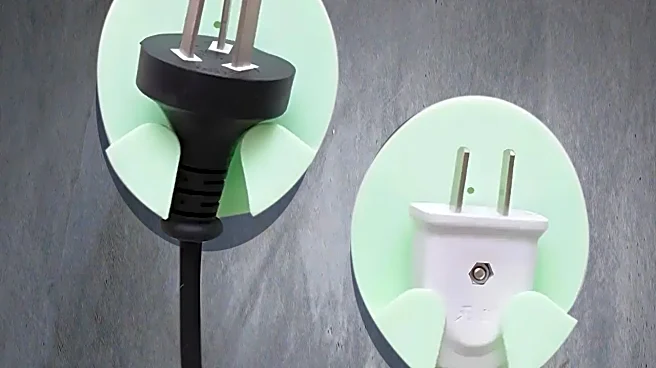
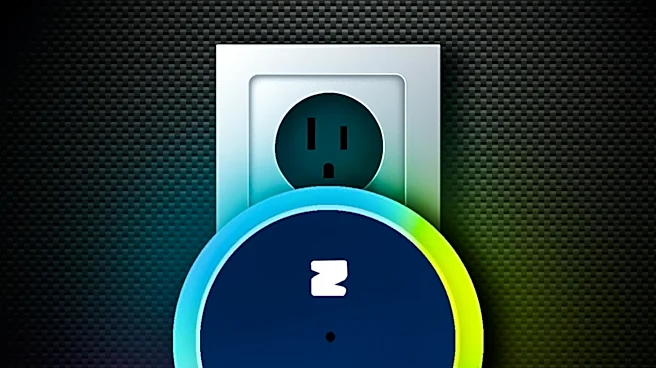
In the early days of the Internet of Things (IoT), the strategy was simple: connect everything to the cloud. A smart plug with energy monitoring doesn't just switch a device on or off; it measures the flow of electricity. It knows when your TV is on,
when you make coffee, and when you turn on a light. Sent to a company's servers, this data can paint an incredibly detailed picture of your life. Manufacturers argued this was necessary for features like tracking energy use over time, but consumers grew wary. The feeling that devices were 'creepy' or engaging in surveillance became a significant barrier to trust, with surveys showing that a majority of users distrusted smart devices to protect their privacy.
When the Cloud Got Stormy
The initial 'send-everything-to-the-cloud' model had major drawbacks. Beyond the general sense of being watched, it created real security vulnerabilities. Hackers could potentially exploit these connections, and data breaches could expose sensitive user information. Consumers were largely unaware of what data was being collected, where it was stored, or who had access. This ambiguity fueled fear and a demand for greater control. The model also depended entirely on a stable internet connection and the manufacturer's servers remaining online. If either failed, the 'smart' device often became dumb.
The Pivot to Local Control
In response to this consumer anxiety and regulatory pressure from laws like GDPR, a new philosophy began to take hold: edge computing, or on-device processing. Instead of sending raw data to the cloud, new hardware was designed with powerful enough chips to perform tasks—like analyzing energy use or recognizing a voice command—locally. Data stays on the device, enhancing privacy and security by design. This approach offered a huge selling point: all the convenience with none of the surveillance. It's also faster, as there's no delay from sending data to a remote server and waiting for a response. This shift wasn't just about plugs; it was a fundamental change in how tech products were conceived.
A New Standard for a New Era
This movement toward local control was codified with the arrival of Matter, a smart home standard backed by major tech companies. A key pillar of Matter is security and privacy. It uses strong encryption and is designed to allow devices to communicate directly with each other on a local network, reducing their reliance on the cloud. A Matter-certified device gives consumers confidence that it meets a baseline for security, ensuring that devices are authentic and communications are protected from eavesdropping. While companies can still offer cloud-connected features, the local-first approach enabled by Matter became the new expectation for privacy-conscious consumers.
Beyond the Outlet: A New Philosophy
The privacy concerns first highlighted by simple devices like smart plugs have had a massive ripple effect across the entire consumer hardware industry. Today's leading smartphones perform enormous amounts of AI processing, from photo editing to voice transcription, directly on the device. Laptops are being built with dedicated neural processing units (NPUs) to run AI tasks locally. The industry learned a valuable lesson: for many tasks, the smartest move is to not share the data at all. This shift from a centralized cloud model to a distributed, privacy-first one represents one of the most significant, yet quietest, strategic resets in modern technology—all thanks, in part, to a plug.