




From Digital Librarian to Digital Butler
For the better part of a quarter-century, Google has been the world's digital librarian. You have a question, you type it into a box, and it returns a list of resources for you to read. This reactive model put the burden on the user to sift through information
and find the answer. The 'search-to-agent' pivot flips that dynamic entirely. Instead of a librarian that finds books, an AI agent is more like a personal butler that understands your goal and takes the necessary steps to achieve it. You don't just search for restaurant hours and reservation links; you tell your agent, "Book a table for two at a quiet Italian place downtown tomorrow night," and it handles the entire process. This is the core of the agentic shift: moving from finding information to accomplishing tasks.
The Engine Driving the Change: Gemini and On-Device AI
This evolution isn't just a new user interface; it's powered by massive leaps in AI and hardware. Google is in the final stages of replacing its original Google Assistant with its far more capable Gemini AI platform, a transition set to complete in 2026. Unlike Assistant, which was built for simple, one-shot commands, Gemini is designed for multi-step reasoning and conversational context. The second critical piece is the rise of powerful on-device AI. Modern smartphones, equipped with specialized chips called Neural Processing Units (NPUs), can now run sophisticated AI models directly on the hardware without needing to constantly send data to the cloud. This makes AI responses faster, more private, and functional even without an internet connection, creating the perfect environment for a personal agent that knows you intimately but keeps your data secure.
Why the Pixel 11 is the Perfect Vehicle
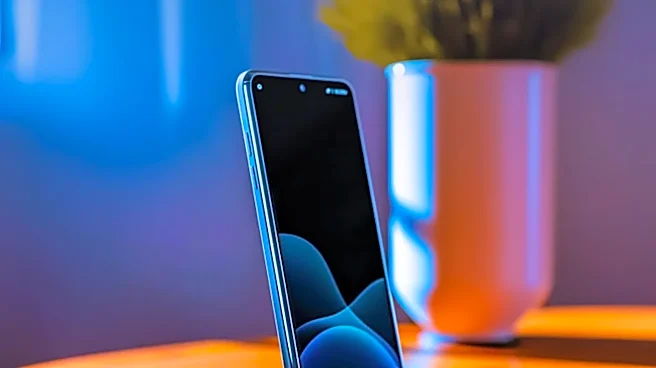
While this software shift affects all of Android, Google's Pixel line has consistently been the benchmark for showcasing genuinely useful AI tools. The Pixel 11 is expected to be the hardware that fully unlocks this agent-first vision. Rumored features demonstrate a clear move beyond simple assistance. For example, an experimental feature called "Call for Me" allows the Gemini agent on a Pixel 11 to place phone calls on your behalf to book appointments, check store inventory, or even sit through hold music for you. The phone displays a live transcript, but the AI handles the entire conversation unless you decide to jump in. This isn't just a voice command; it's a delegated task. By deeply integrating Gemini into the operating system and coupling it with next-generation on-device processing power, the Pixel 11 is set to be the first device conceived from the ground up for this new, agentic era.
A Glimpse Into an Agent-First Future
What does this change look like in practice? It means your phone stops being a collection of apps you command and starts becoming a single, intelligent system you collaborate with. Instead of you opening three different apps to plan a trip, your agent could find flights that match your calendar, book a hotel near the meeting location, and add it all to your itinerary with a single prompt. Google's vision extends to an "agentic web," where its AI can interact with websites and apps like a human would, filling out forms and clicking buttons to complete complex workflows. While the transition from the trusty search bar will take time, this pivot represents one of the biggest changes to personal computing in years. It's a future where your phone doesn't just answer your questions—it anticipates your needs and acts on them.