






The End of an Era, The Brink of Disaster
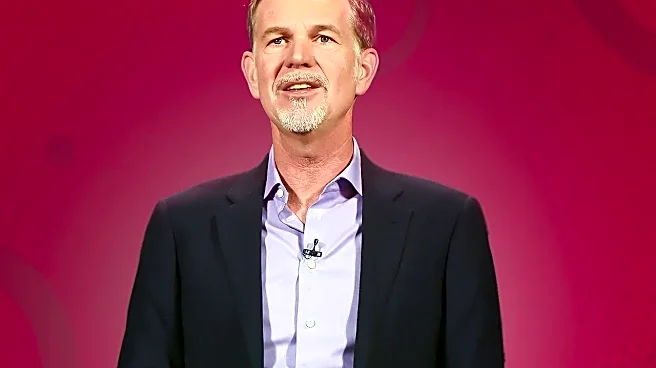
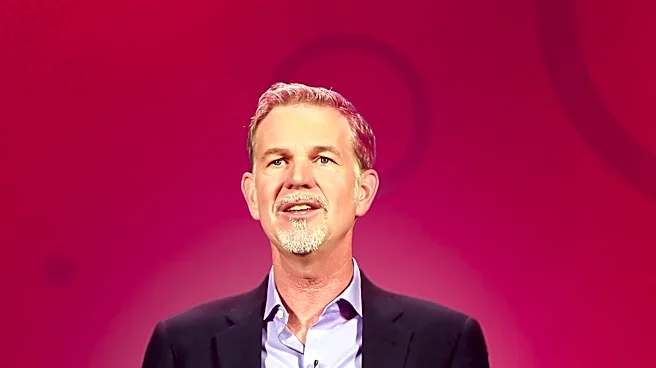
In early 2023, Reed Hastings, the visionary who turned a DVD-by-mail service into a global entertainment behemoth, announced he was stepping down as CEO. The move elevated co-CEO Ted Sarandos and COO Greg Peters to the joint top spot, a leadership structure
that can be notoriously difficult to manage. Their ascension didn't happen in a vacuum. It came after a brutal 2022, a year that saw Netflix report a loss of subscribers for the first time in over a decade, sending shockwaves through Wall Street and the media industry. The company's stock price plummeted, wiping out billions in value. Competitors were catching up, and the once-unshakeable narrative of Netflix's perpetual growth was shattered. The crisis wasn't just about a bad quarter; it felt existential. Hastings was leaving his successors with a company that had seemingly hit a wall, facing a market that had lost faith in its business model.
The Two Big, Unpopular Bets
With their backs against the wall, Sarandos and Peters didn't just stay the course; they made two of the riskiest, most controversial decisions in the company's history. First, they declared war on password sharing. For years, sharing accounts was an open secret, a casual form of marketing. But Netflix estimated that over 100 million households were watching for free. The new leadership decided to convert those viewers into paying customers. The second bet was embracing the one thing Netflix had always famously resisted: advertising. In late 2022, the company launched a cheaper, ad-supported subscription tier. To many, these moves seemed desperate and destined to fail. Pestering loyal users to stop sharing and introducing commercial breaks into the famously binge-friendly experience felt like a recipe for alienating the customer base that had made them a giant.
From Alienation to Acquisition
The backlash many predicted never fully materialized. Instead, the gambles paid off spectacularly. The password-sharing crackdown didn't cause a mass exodus. On the contrary, it triggered a massive wave of new sign-ups. In the days following the U.S. crackdown in May 2023, Netflix saw its largest days of user acquisition in years. Millions of freeloaders, when faced with a choice, decided to pay up. The company has added over 50 million subscribers since the policy was implemented. Meanwhile, the ad-supported tier proved to be a powerful magnet for price-conscious consumers. By 2025, a significant portion of new sign-ups were opting for the ad plan, and it accounted for a huge chunk of viewing hours in the U.S. The results were undeniable: subscriber and revenue growth accelerated, and the company’s profit soared.
The New Netflix Playbook
The survival story reveals a fundamental shift in Netflix's strategy. The era of chasing subscriber growth at any cost is over. The new playbook, engineered by Peters and Sarandos, is about maturity and monetization. Instead of just acquiring users, the focus is now on maximizing the revenue from each one. The company is becoming more efficient at turning viewing hours into dollars, a crucial pivot for a mature tech giant. By successfully implementing the ad-tier and paid sharing, Netflix proved it could change the rules of its relationship with customers and not only survive but thrive. It demonstrated a willingness to make tough, unpopular choices to secure its financial future, providing a new model for a streaming industry that is no longer in its infancy.