




The AI We've Been Waiting For
This isn't your old Siri. With the launch of the iPhone 18 Pro and iOS 27, Apple has finally delivered the deeply integrated AI that users have craved. The new 'Apple Intelligence' system, paired with a revamped Siri powered by partner technologies, is designed
to be a profoundly personal and capable assistant. It can summarize your emails, find information buried in your photo library, and understand personal context across apps. Instead of just reacting to commands, the new AI anticipates needs. For many, this is the main event. The new A20 Pro chip was built for this moment, with a neural engine specifically designed to handle these complex AI tasks directly on the phone, a move intended to bolster both speed and privacy. The promise is an iPhone that doesn't just run apps, but understands you.
The Physics of Intelligence
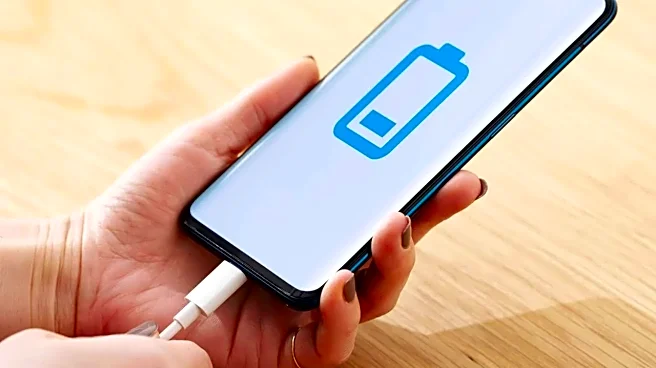
Here's the paradox: all that intelligence has a physical cost. Running sophisticated AI models isn't like sending a text message; it's a power-hungry process that taxes the processor, generates heat, and, most critically, drains the battery. Early reviews of the iPhone 18 Pro are already highlighting this trade-off. While the A20 Pro chip is more efficient, the demands of constant, on-device AI processing are relentless. Some reviewers have noted the phone can get warm when under a heavy AI load. This isn't just an Apple problem; it's a challenge facing the entire industry as it pivots to on-device AI. The dream of a phone that's a true 'intelligent personal hub' runs headfirst into the reality of a lithium-ion battery.
Apple's High-Wire Act on Battery Life
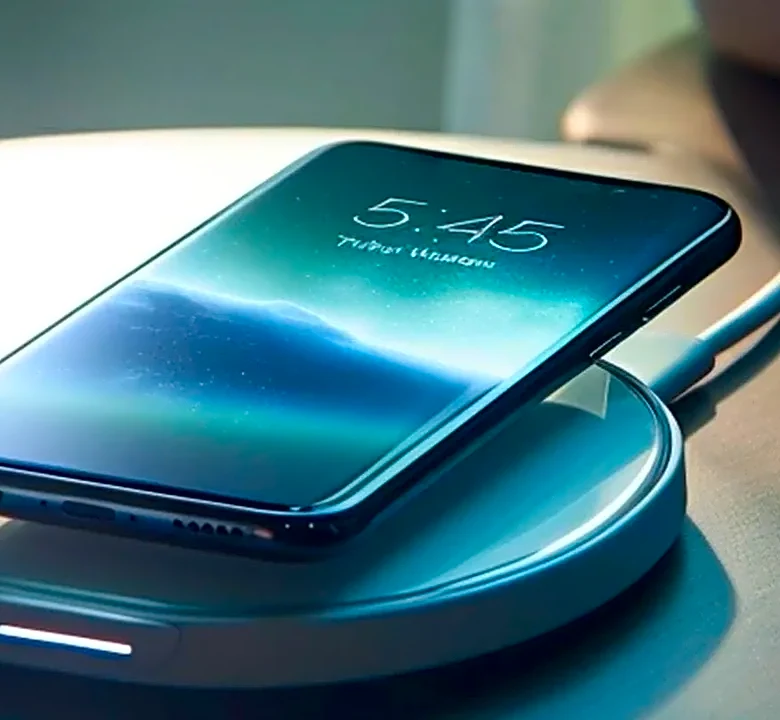
Apple was clearly aware of this challenge. The iPhone 18 Pro and Pro Max feature larger batteries and a new vapor chamber for better thermal management. And for many tasks, the new phones show improved battery life over their predecessors. In standard web browsing tests, the iPhone 18 Pro Max is one of the longest-lasting phones ever tested. However, in more demanding scenarios like gaming, the gains are far less impressive. One test found the iPhone 18 Pro's battery life was actually shorter than the previous year's model when playing a graphically intensive game. This split highlights the core issue: efficiency gains from the new 2nm A20 Pro chip are being immediately consumed by the new AI capabilities. The result is that while Apple promises huge battery gains for things like video playback, real-world usage, especially with heavy AI features, might feel disappointingly familiar.
What This Means for Your Pocket
For the user, this paradox translates into a new set of considerations. The iPhone 18 Pro is, by all accounts, an incredibly powerful device. The AI features are a genuine leap forward, offering a level of convenience and context-awareness that feels futuristic. But using these features to their full potential may mean keeping a closer eye on your battery percentage. It creates a two-tiered experience: a phone with impressive stamina for basic tasks, but one that can see its endurance shrink when you lean into the very features that make it special. The iPhone 18 Pro's starting price is also $100 higher than its predecessor, a cost likely influenced by the more advanced chips and components needed to power this AI push. So, the pressure isn't just on the device's battery; it's also on the consumer's wallet.