







The Before Times: A Hardware Plateau
Remember when a new phone announcement felt genuinely exciting? For much of the last decade, the industry's biggest players, primarily Apple and Samsung, battled over hardware specifications. The arms race was defined by megapixel counts, screen refresh
rates, and marginal gains in battery life. Phones got incrementally better each year, but the fundamental experience remained the same: a grid of apps on a glass screen. We reached a comfortable, if somewhat boring, plateau. The core function of a smartphone was to be a vessel for applications, and innovation was measured by how slickly it ran them. That era, however, is definitively over. The new battlefield isn't about the quality of the glass or the size of the camera sensor; it's about the intelligence embedded within the device itself.
The Gemini Turning Point: From Apps to Agents
Google's introduction of Gemini, and its deeper integration into Android as Gemini Intelligence, marked a clear shift in strategy. This wasn't just another voice assistant; it was the beginning of an AI layer woven directly into the operating system. Instead of you, the user, jumping between apps to complete a task, the goal is for the AI to do it for you. Features that started appearing on recent Pixel and Samsung Galaxy phones showed the potential. Gemini could summarize a long email, create a shopping list from a photo of a recipe, or even generate custom widgets based on a simple description. This is what the industry calls "agentic AI"—an assistant that doesn't just answer questions but actively performs multi-step tasks on your behalf. While impressive, these features were largely added to phones that were already designed. The next step is a phone built around this principle from the ground up.
Pixel 11: Born in the AI Age
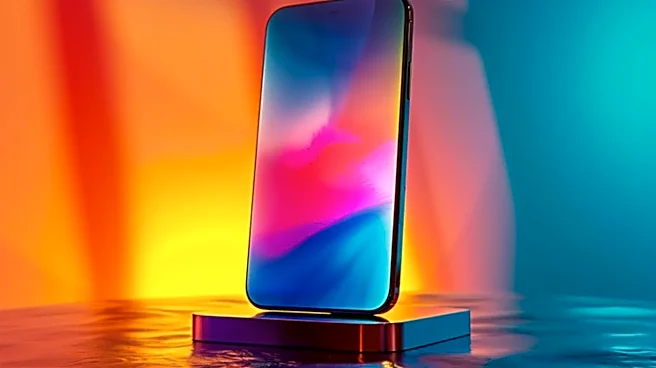
The Google Pixel 11, which launched in the summer of 2026, is being framed by the company as hardware specifically designed for the Gemini era. This isn't just about software updates; it's about a fundamental re-imagining of what a phone should do. An early experimental feature rolling out to Pixel 11 users, called "Call for Me," perfectly illustrates this shift. You can ask Gemini to call a restaurant and make a reservation, check if a store has an item in stock, or reschedule an appointment. The AI handles the entire call, including navigating phone menus and waiting on hold, while you simply monitor a live transcript. This moves the phone from a tool you use to a partner that acts for you. It's a powerful demonstration of Google's vision: to transform the phone from a collection of siloed apps into a single, conversational interface powered by a personal AI agent.
Redefining What Hardware Matters
This AI-first approach changes the conversation about hardware. For years, the main processor (CPU) was the hero component. But in an AI-centric world, the neural processing unit (NPU)—or in Google's case, the Tensor Processing Unit (TPU)—becomes the star of the show. This is the specialized silicon that runs machine learning models efficiently and on-device, without constantly needing to send data to the cloud. When your phone can make calls on your behalf or understand the context of what's on your screen, it's the NPU doing the heavy lifting. This strategic pivot is part of Google's larger AI Hypercomputer initiative, which aims to create a unified infrastructure for developing and deploying powerful AI. By designing its own chips and software in tandem, Google is betting that superior intelligence, not just raw processing power, will be the defining feature that convinces users to choose a Pixel over an iPhone.