





1. New Form Factors, Including Camera-Free Glasses
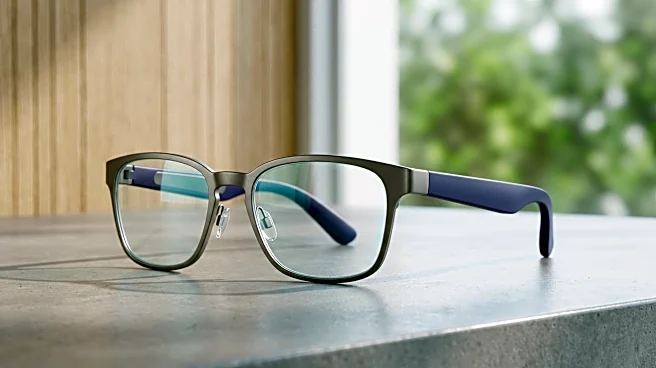
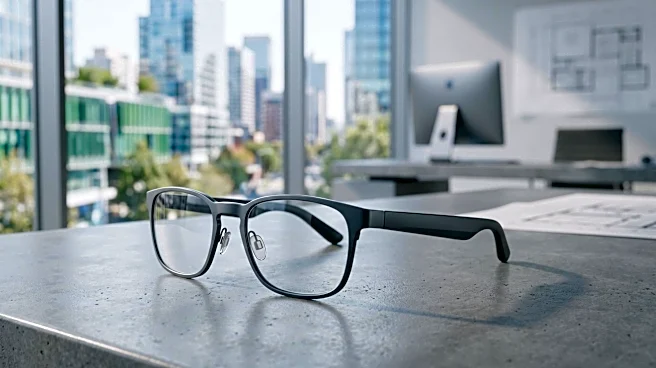
All eyes are on new hardware. While updated Ray-Ban models are expected, the most interesting signal may be a rumored camera-free version of the smart glasses, reportedly codenamed "Luna". This move seems designed to address the significant privacy backlash
that has plagued camera-equipped models, which some have labeled "creep glasses". By focusing purely on AI and audio, Meta could be testing a new path to mainstream adoption, prioritizing the AI assistant experience over visual capture. A launch of this model would signal a major strategic pivot in response to public concern.
2. The Evolution of Meta's AI Assistant
The intelligence inside the glasses is more important than the hardware itself. Expect major updates on Meta's AI assistant, powered by models like Muse Spark. The key signal isn't just a smarter chatbot, but one that demonstrates true contextual awareness. Analysts are looking for demos of real-time translation, voice-guided navigation, and proactive assistance. A focus on these practical, in-the-moment use cases will show how serious Meta is about making its AI an indispensable daily companion rather than a novelty.
3. Opening the Gates for Developers
A device is only as strong as its ecosystem. Currently, developing for Meta's wearables is still in a preview phase, without a clear path for wide distribution. A critical signal to watch for is the announcement of a public app store or a more robust software development kit (SDK). Giving developers the tools to build and publish their own AI experiences for the glasses is the single most important step in transforming the device from a gadget into a true platform, much like the iPhone's App Store did for smartphones.
4. The First Glimpse of a Smartwatch
For years, rumors have circulated about a Meta-branded smartwatch. Teasers from Mark Zuckerberg have hinted at a new device focused on "performance." Analysts speculate this could be a watch, potentially codenamed "Malibu 2," designed to work in tandem with AI glasses. Such a device could serve as a wrist-based input for the glasses or a hub for notifications and health tracking, creating a more integrated wearable system. The announcement of a watch would signal Meta's ambition to build a full ecosystem of body-worn devices.
5. A Progress Report on True AR Glasses
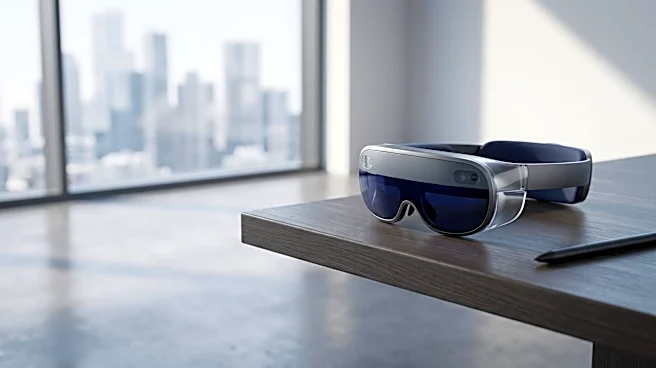
Don't confuse the current smart glasses with true augmented reality. Meta's high-end AR glasses project, once known as Orion, is the company's long-term bet on holographic displays integrated into a normal-looking frame. While a consumer launch isn't expected for a few more years, any progress reports, new demos, or an updated timeline would be a powerful signal of Meta's commitment. This is the north star for the entire industry, and analysts will be watching for any hints about how close Meta is to achieving it.
6. Confronting the Privacy Problem
Meta's wearable ambitions are threatened by deep-seated privacy concerns, including class-action lawsuits over potential facial recognition features and fears of covert recording. The company has recently taken steps to disable cameras when the recording light is tampered with. Watch for how Meta addresses this issue on stage. Will they announce new hardware safeguards, transparent privacy controls, or simply try to change the conversation with camera-free models? Their approach will signal whether they truly understand the trust deficit they need to overcome.
7. The Next Generation of AI Models
The experiences on the glasses are powered by Meta's large language models. The company has invested billions in building out its AI infrastructure. While some analysts don't expect a massive new model reveal at Connect, any updates on a frontier model—speculatively called "Watermelon"—or a new version of Llama optimized for wearables would be significant. This would signal an acceleration in the underlying technology that enables more complex, faster, and more efficient on-device AI.
8. Prescription Lenses and Mainstream Designs
For wearable AI to become ubiquitous, it must accommodate everyone, including the millions who wear prescription glasses. Rumors suggest that new Ray-Ban models will finally be designed for prescription lenses. This, combined with a wider variety of frame styles beyond the initial Wayfarer design, is a crucial signal. It shows a push away from a niche tech gadget toward a customizable, mainstream fashion accessory. The more the glasses look like regular glasses, the lower the barrier to adoption.
9. The Pitch to Wall Street
While Connect is a developer conference, it's also a pitch to investors. Analysts at firms like Citi have flagged the event as a major catalyst for the stock, hoping to see how Meta's massive AI investments will translate into revenue. Listen for language around monetization, user engagement metrics, and the strategy for Reality Labs to contribute meaningfully to the bottom line. The story Meta tells investors is just as important as the one it tells consumers and will signal the long-term financial viability of its wearable AI vision.