





1. GPUs: The Unrivaled King of AI Costs
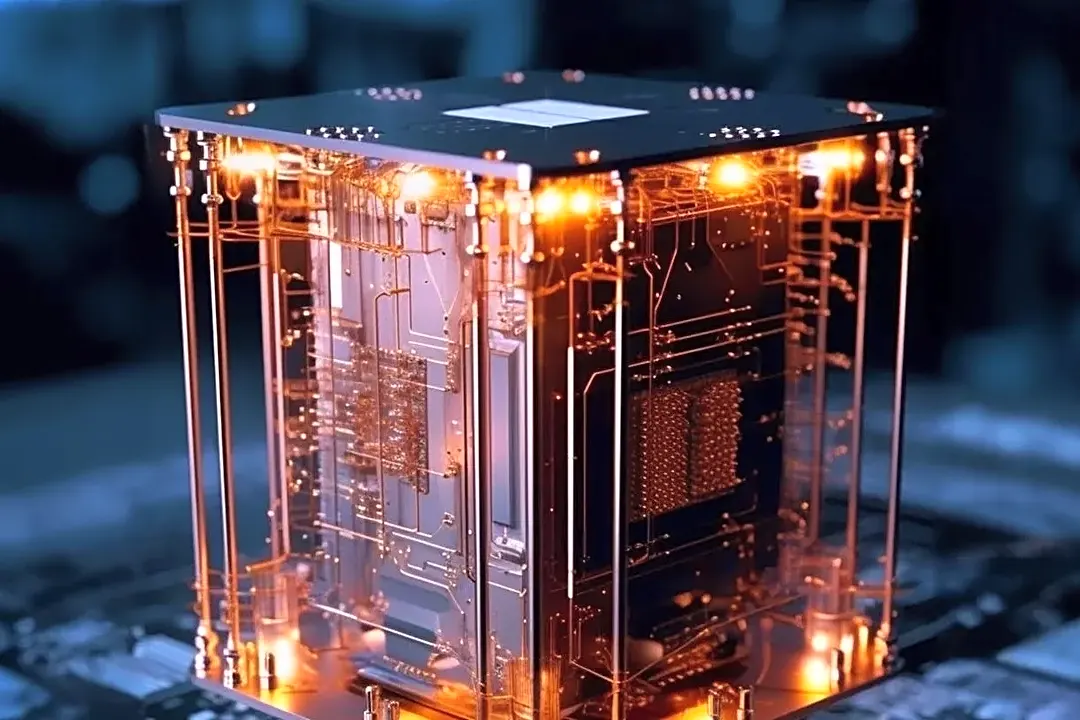
At the absolute top of the spending pyramid are the chips that make AI possible: Graphics Processing Units, or GPUs. Think of them as the engines of intelligence. Microsoft is buying them by the hundreds of thousands, primarily from Nvidia, the dominant
player in the space. A single top-tier AI GPU, like Nvidia's H100 or its newer Blackwell series, can cost anywhere from $30,000 to $40,000. When your goal is to build a model that can understand and generate human-like text or images, you need to connect tens of thousands of these chips into a single, cohesive supercomputer. The math gets staggering fast. Analysts estimate that GPUs alone can account for over half the cost of building a new AI data center. This is by far the biggest line item and the primary reason the AI arms race is a game for giants with incredibly deep pockets.
2. Data Centers: The High-Tech Fortresses
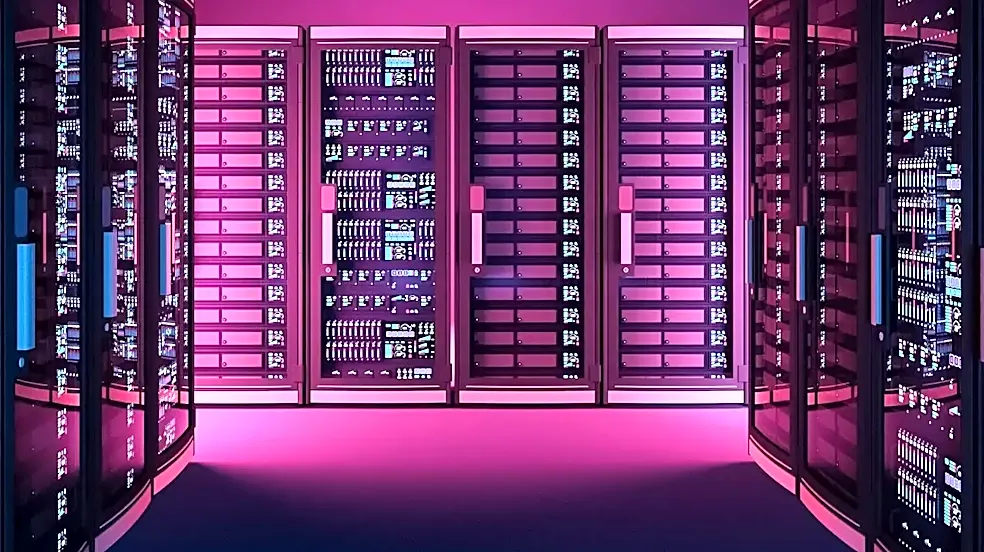
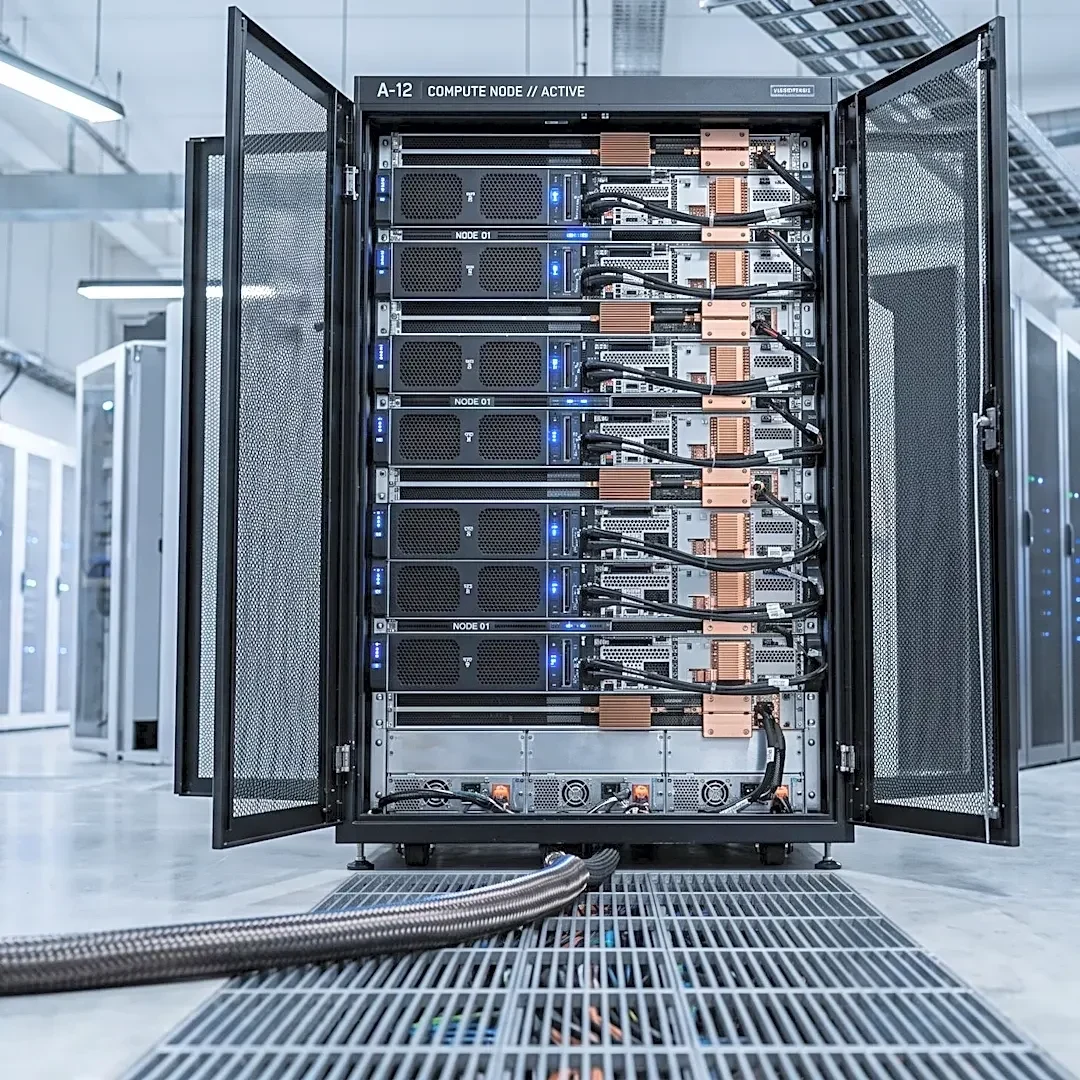
Once you have a mountain of GPUs, you need a place to put them. That place is a data center, but not just any warehouse with servers. AI data centers are highly specialized fortresses that represent a colossal capital investment. The cost starts with acquiring huge tracts of land, often in discreet locations with access to massive amounts of power and water. Then comes construction: building structures capable of supporting immense weight, with extreme physical and digital security. The most critical and expensive part is the cooling infrastructure. AI GPUs run incredibly hot, and keeping tens of thousands of them from melting requires sophisticated liquid cooling systems that are far more complex and costly than traditional air conditioning. The physical building and its specialized systems are a massive upfront cost, easily running into the hundreds of millions or even billions of dollars per campus.
3. Power: The Never-Ending Utility Bill
If GPUs are the engines and data centers are the chassis, power is the fuel—and AI is exceptionally thirsty. While the data center building is a one-time capital expense, power is a massive, ongoing operational cost that can rival the initial hardware investment over time. A large AI data center campus can consume as much electricity as a small city. This isn't just about paying the utility bill. It involves securing contracts with power providers to guarantee a stable supply, often requiring the construction of new substations dedicated solely to the data center. The sheer demand for power is becoming a major bottleneck for the entire industry, dictating where new data centers can even be built. For Microsoft, the cost of electricity to run its AI ambitions is a multi-billion dollar annual expense that is only set to grow.
4. Networking: The AI Nervous System
Finally, there's the 'nervous system' that lets all the GPUs talk to each other. This is another surprisingly expensive component. Standard networking used for web browsing or streaming video is not nearly fast enough for AI workloads. To train a large model, thousands of GPUs must share data and calculations in near-perfect synchronization, a process that is extremely sensitive to delays. Any lag, even a few millionths of a second, can bring the entire multi-million dollar operation to a halt. This requires specialized, high-bandwidth, low-latency networking fabric like Nvidia's InfiniBand or ultra-high-speed Ethernet. These systems use expensive custom switches and optical cables to create a dedicated network just for the GPUs. While the total cost is less than the GPUs themselves or the data center shell, it’s a critical and multi-million dollar layer that cannot be compromised.