





The AI Co-Pilot or a Backseat Driver?
AI tools are now embedded in everything from email to team chat, promising to draft messages, summarize documents, and analyze data. The dream was that AI would work quietly in the background, freeing up human workers for more strategic initiatives. The reality
is often a constant stream of suggestions, updates, and alerts. Instead of a silent partner, our AI often acts like a hyperactive backseat driver, constantly pointing things out. This creates a new form of digital noise. While each notification is designed to be helpful, their cumulative effect can be the exact opposite, pulling us out of deep work and into a state of reactive, shallow engagement.
Understanding the High Cost of 'Context Switching'
Every time a notification pops up, your brain pays a tax. This is known as 'context switching', and it's a productivity killer. Research has shown that even a brief interruption can take over 20 minutes to fully recover from. When you shift your focus from a complex task to read a notification—even for a few seconds—your brain has to unload the context of what you were doing and load the new information. When you turn back to your original task, it has to repeat the process. This mental gear-shifting drains cognitive energy, increases the likelihood of errors, and prevents you from achieving the state of focused 'deep work' necessary for high-value creative and strategic thinking. With the average knowledge worker already receiving over 80 notifications a day before AI copilots, adding more pings only deepens the problem.
The Power of the 'Off' Switch
This brings us to the most effective, if counterintuitive, AI productivity hack: turning some notifications off. This isn't about abandoning the technology; it's about changing your relationship with it from reactive to proactive. Instead of letting the AI dictate your attention, you decide when to engage with it. The goal is to transform AI from an interrupter into an on-demand assistant that you consult on your own schedule. By batching your interactions with AI—for example, checking its suggestions once or twice a day—you reclaim the long, uninterrupted blocks of time necessary for meaningful work. This strategic disengagement allows you to use AI as a powerful tool without letting it become a constant distraction.
Your Guide to Strategic Digital Silence
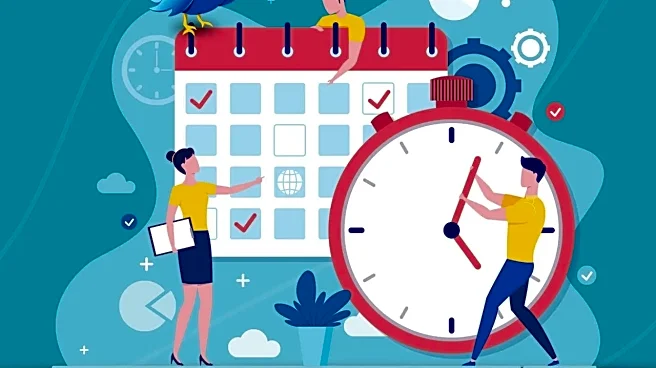
Implementing this isn't complicated. Start by auditing your AI tools and identifying which notifications are truly urgent and which are merely 'nice to know'. Go into the settings of your primary apps and ruthlessly disable alerts for suggestions, summaries, and routine updates. You can almost always find this information later. Next, schedule specific 'AI check-in' blocks in your calendar. This is your dedicated time to review AI-generated drafts, analyze its findings, or act on its recommendations. Finally, get comfortable with your device's 'Do Not Disturb' or 'Focus' modes. These are your best defense against interruptions, creating a digital sanctuary where you can concentrate fully on the task at hand, leaving your AI assistant to wait until you are ready for it.