








Start With What They Already Know
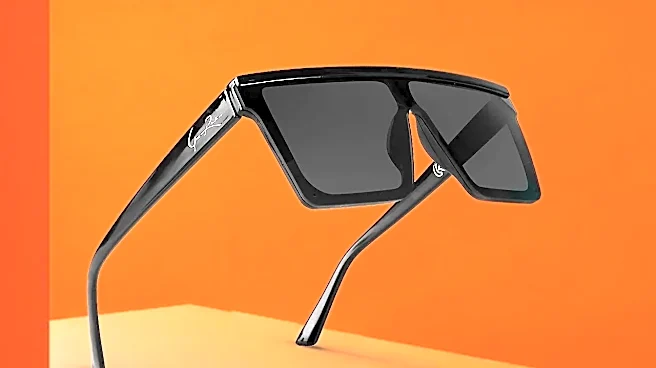
The easiest way to explain smart glasses is to compare them to tech your friend already uses every day. Tell them to think of smart glasses as a combination of their smartphone, their wireless headphones, and a camera, all merged into a single device
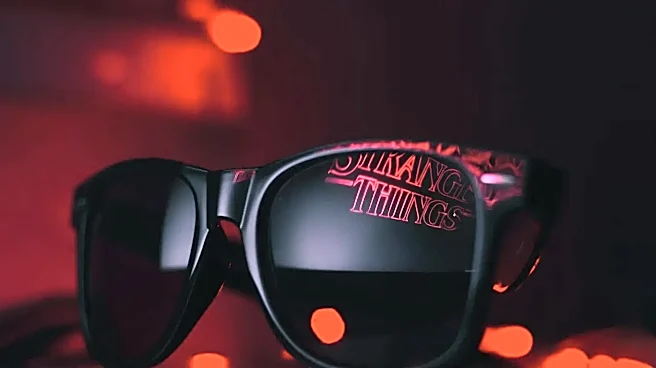
they wear on their face. Some models are basically just speakers and a microphone built into the arms of regular-looking glasses, letting you take calls or listen to music without putting anything in your ears. Others add a camera for taking photos and videos from your point of view. And the most advanced versions add a tiny, transparent display that can show you information like text messages or walking directions in your line of sight. The main idea is to access information and digital tools without having to constantly pull out your phone.
So, What Do They Actually Do?
Once they have the basic concept, you can explain the core functions. In 2026, most smart glasses fall into a few key use cases. First, there's hands-free communication and audio. This includes taking phone calls, listening to podcasts, or interacting with a voice assistant like Meta AI or ChatGPT, all while your phone stays in your pocket. Second, there's hands-free capture. Many popular models, like the Ray-Ban Meta glasses, have a built-in camera to take photos and short videos of what you're seeing. Third, and this is where it gets more futuristic, is visual information. Glasses with displays can offer real-time language translation, show you turn-by-turn navigation, or even act as a teleprompter. Some can even identify objects or provide context about your surroundings using AI.
The Elephant in the Room: Privacy
Your friend's next question will almost certainly be, "Wait, are they recording me right now?" It's the biggest concern people have, and you should address it directly. Explain that this is a huge issue for the companies making them, too. Most glasses with cameras, like the Ray-Ban Meta, have a visible LED light that turns on whenever the camera is recording, specifically to alert people nearby. However, the subtlety of these devices is a major point of contention. Law enforcement agencies across the U.S. have expressed concern that they can be used for covert recording in sensitive areas. Unlike the bulky, obvious Google Glass from a decade ago, today's models are designed to look like normal eyewear, which creates a real bystander privacy problem.
Are They the New Smartphone?
Not yet, but they're no longer just a niche gadget for tech nerds. In 2026, the market is split. You have mainstream, fashion-forward brands like Ray-Ban and Oakley partnering with Meta to create glasses that look good and offer simple AI and camera features. These are aimed at regular consumers. Then you have more advanced Augmented Reality (AR) glasses from companies like XREAL, which are more like portable monitors for your phone, great for watching movies or gaming. Major players like Samsung are also entering the market, and Apple is expected to release its own version by 2027. While they still rely on a smartphone for most of their processing power and connectivity, they are becoming a significant new category of personal technology.
Think of Them as 'Assistants,' Not 'Computers'
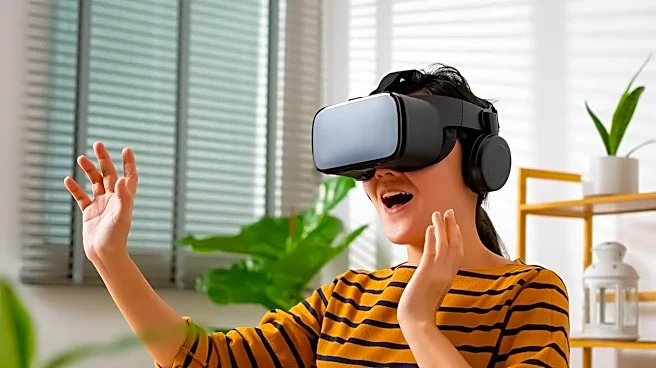
The big shift from the first-generation smart glasses is the focus. Early models tried to be a full-blown computer on your face. Today's devices are more like smart assistants. Their goal is to provide quick, convenient help without being distracting. This can be as simple as answering a question without you needing to type, or as complex as helping someone with dementia navigate daily tasks, a use case that recently won a major innovation prize. The focus has moved from overwhelming you with information to providing subtle, useful prompts. They are designed for quick interactions, not for endlessly scrolling through social media. This makes them a completely different product from the VR headsets that are designed to block out the world for immersive experiences.