






Supercharging the Azure Cloud Engine
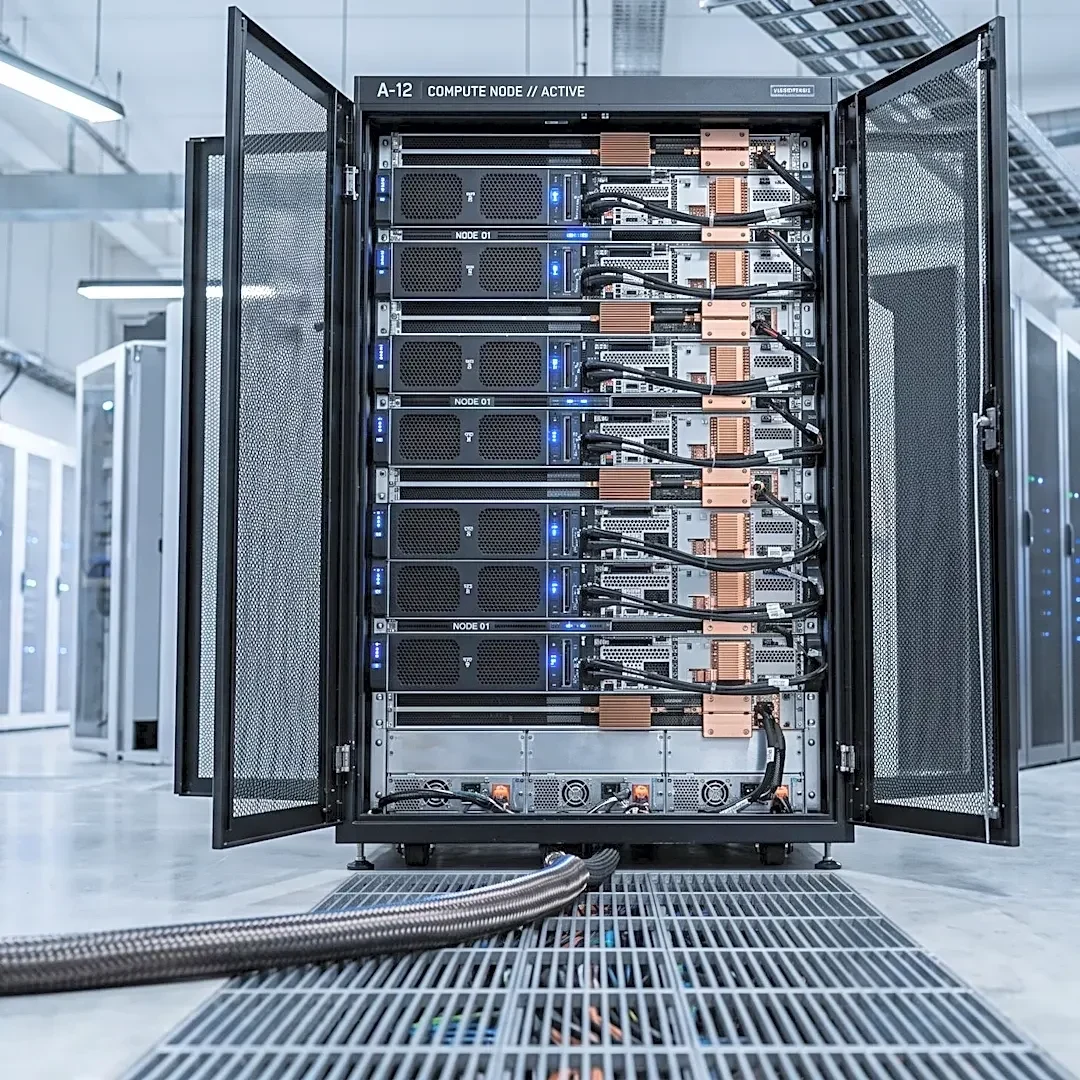
First and foremost, every dollar spent on AI infrastructure is a direct investment in Microsoft's cloud platform, Azure. The primary goal is to make Azure the default foundation for the entire AI economy. The company's spending on data centers, GPUs,
and networking equipment is a direct response to customer demand that already exceeds its available capacity. This AI-fueled demand drove Azure's revenue past $100 billion for the first time in fiscal year 2026, with growth accelerating to 43% in the fourth quarter. By building a best-in-class infrastructure, Microsoft ensures that whether a customer uses OpenAI's models, a competitor's, or their own, they are likely paying Microsoft for the underlying computing power. This turns the AI revolution into a consumption-based revenue stream, where more usage directly translates to more Azure sales.
Weaving AI into Every Product You Use
The second major return comes from embedding AI into its existing empire of software. The most visible example is Microsoft 365 Copilot, an AI assistant integrated into Word, Excel, Teams, and Outlook. With over 30 million paid seats and a potential market of 450 million knowledge workers, this represents a massive opportunity to upsell its existing user base. Instead of creating a standalone AI product, Microsoft is adding a premium AI layer to the tools millions of businesses already rely on, justifying new subscription fees and driving incremental revenue. This strategy transforms AI from a futuristic concept into a practical productivity tool, creating a direct and scalable path to monetization that leverages its decades of enterprise dominance.
Winning the Next Platform War
Microsoft's strategy has always been about long-term platform dominance, not just short-term product wins. The massive capex is a defensive and offensive move to ensure it controls the next major computing platform: the 'AI operating system'. Just as Windows dominated the PC era and Azure competes in the cloud era, Microsoft aims to provide the essential infrastructure and services upon which the next generation of AI applications will be built. This includes not just the raw computing power but also the security, governance, and data management layers that are critical for enterprise adoption. CEO Satya Nadella has emphasized that the goal is to build a full-stack system that others can build on top of, effectively making Microsoft the indispensable 'harness' for AI, regardless of which specific models become popular.
The Strategic Bet on OpenAI and AGI
Finally, a significant portion of the investment is tied to its deep, albeit evolving, partnership with OpenAI. Microsoft's multi-billion-dollar investment secured it a significant stake (around 27% as of late 2025) and, for a time, exclusive rights that embedded OpenAI's powerful models at the heart of Azure and Copilot. While the relationship has been modified to allow OpenAI more flexibility, OpenAI has still committed to spending hundreds of billions on Azure services in the future. This investment delivers several returns: it provides Microsoft with access to frontier model technology, drives immense consumption of Azure services, and gives it a valuable stake in what could be the defining technology company of the next decade. It's a strategic bet on the long-term, speculative prize of artificial general intelligence (AGI), with Nadella himself framing its arrival by its ability to generate massive global productivity gains.