





1. What Is the True Scale of the Spending?
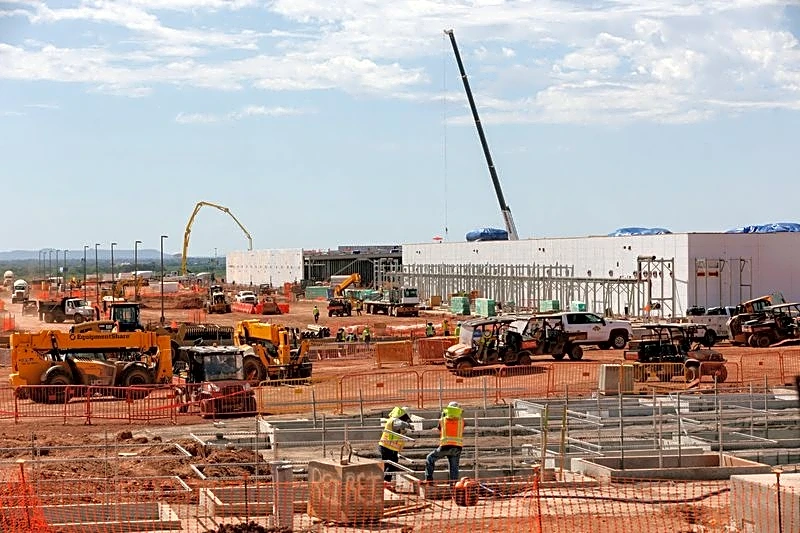
Microsoft's capital expenditure (CapEx) is staggering. The company guided for around $50 billion in spending for the first quarter of fiscal 2027 alone, following a $41 billion spend in the previous quarter. For the full calendar year of 2026, the company anticipates
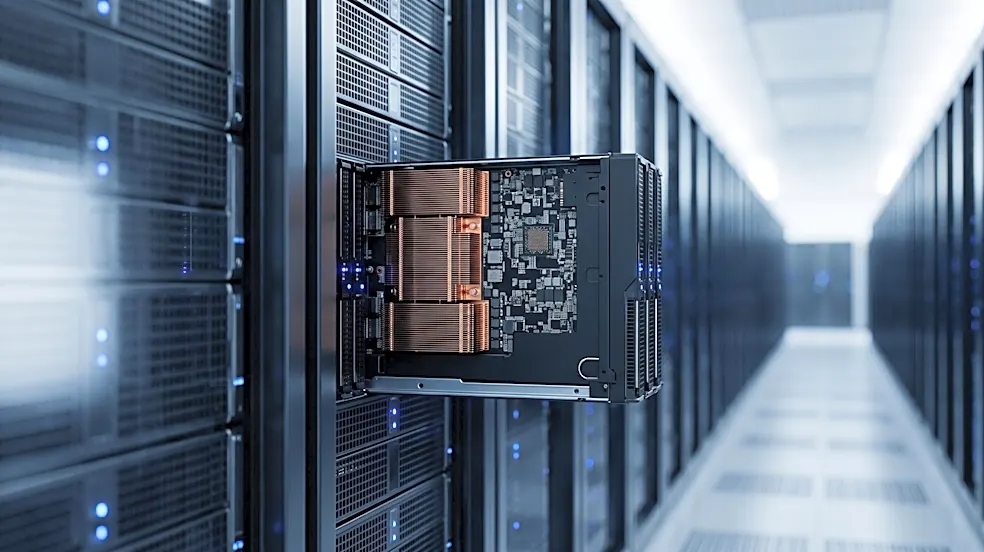
spending about $175 billion. This isn't just buying a few more servers; this is an all-out blitz to build a global network of AI-powered data centers. The sheer size of this investment dwarfs many companies' entire market caps, signaling a bet-the-company-level commitment to winning the AI race.
2. Is Demand Really Keeping Up with Capacity?
For now, the answer appears to be yes. In its last earnings call, Microsoft's management stated that customer demand for its cloud and AI services continues to exceed the available capacity. This is the dream scenario for any company making huge infrastructure investments. Azure, its cloud platform, surpassed $100 billion in annual revenue for the first time and grew 43% in the fourth quarter of fiscal 2026. The crucial question moving forward is whether this intense demand is sustainable or a temporary bubble fueled by initial AI hype.
3. How Much Is This Hurting Profitability?
Building the world's AI backbone is not cheap, and it's starting to weigh on margins. Microsoft's Cloud gross margin dipped to 65% in the last reported quarter as the company funneled money into AI infrastructure. While overall profits are still incredibly strong, investors are watching to see if this is a temporary dip or the new normal. The core debate is whether the massive revenue from new AI services will eventually offset the high cost of the GPUs and data centers needed to run them.
4. Is Microsoft Just Renting an Empire?
While Microsoft is building many of its own data centers, it's also signing massive deals to lease GPU capacity from others. The company has inked multi-billion dollar agreements with infrastructure providers like CoreWeave, Nebius, and IREN. These deals allow Microsoft to scale its AI offerings much faster than if it built everything itself. It's a strategic trade-off: speed and flexibility in exchange for potentially lower long-term margins and less direct control over its hardware stack. This 'frenemy' dynamic is most apparent with NVIDIA, whose GPUs power the AI boom.
5. Will Its Own Chips Free It from NVIDIA?
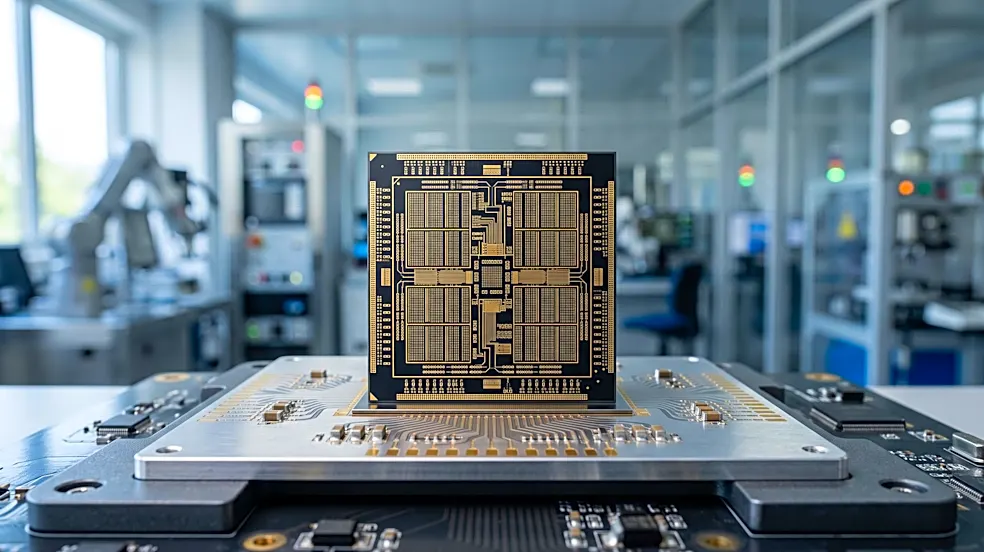
Microsoft is aggressively developing its own in-house AI chips, codenamed Maia. The company recently unveiled its third-generation Maia 300 accelerator, with plans for major deployments starting in 2027. Microsoft claims these chips are significantly more power-efficient for AI inference (running models) than competing GPUs. The goal isn't necessarily to replace NVIDIA entirely, but to gain leverage. By having a viable alternative, Microsoft can negotiate better prices and secure its supply chain, reducing its dependency on a single, powerful supplier.
6. How Much of This Is for OpenAI?
The deep partnership with OpenAI is a cornerstone of Microsoft's AI strategy, but it also raises questions about resource allocation. While Microsoft's commercial backlog shows strong growth even excluding OpenAI, the AI lab's insatiable need for computing power is a major driver of CapEx. Investors are trying to parse how much of this infrastructure spending is dedicated to serving its most famous partner versus driving growth in Microsoft's own products like Copilot and Azure AI services.
7. Are Customers Paying for More Than Just 'Hello, World'?
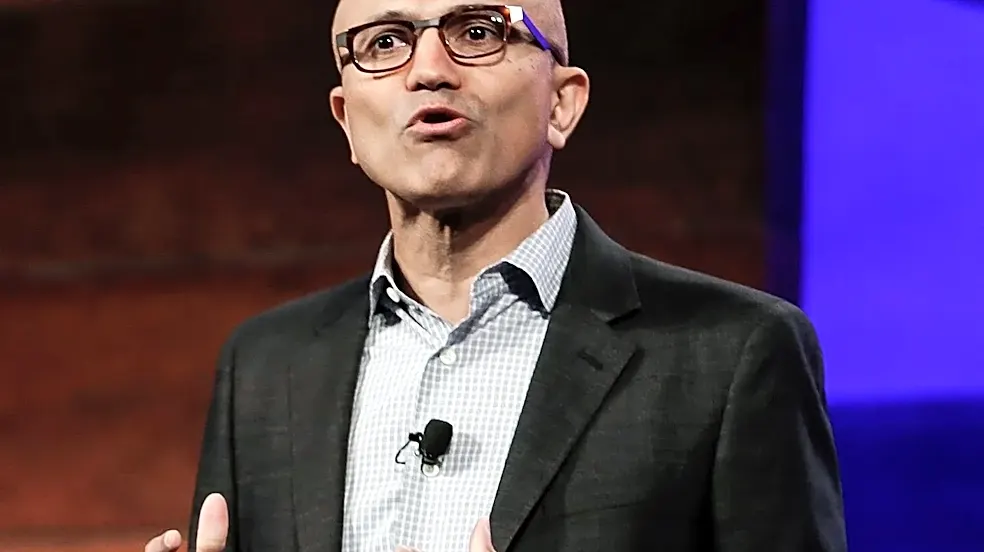
Microsoft has successfully sold millions of subscriptions for its AI assistant, Copilot, with over 30 million paid seats reported. The next big question is about usage. Are businesses integrating these tools deeply into their workflows and paying for consumption-based services, or are they just kicking the tires? CEO Satya Nadella has spoken about turning 'tokens into business results', and the long-term return on this GPU investment depends on customers moving beyond basic subscriptions to heavy, revenue-generating usage.
8. How Does This Compare to Google and Amazon's Spending?
Microsoft isn't building in a vacuum. Google-parent Alphabet and Amazon are also pouring tens of billions of dollars into their own AI infrastructure. The AI arms race is forcing all major cloud providers into a cycle of massive investment to stay competitive. While Microsoft's spending is eye-popping, it's part of a broader industry trend where the price of admission for leading-edge AI is a capital budget that looks like a rounding error in a small country's GDP.
9. Can the Company Sustain This Pace?
The massive CapEx is putting pressure on free cash flow, which has seen a notable decline. While Microsoft's management has committed to remaining free-cash-flow positive for the fiscal year, the rate of spending is a concern for some investors. The key is efficiency. Two-thirds of the spending is on short-lived assets like CPUs and GPUs. CFO Amy Hood has noted that if demand softens, the company can quickly scale back this portion of its spending, providing a lever to manage financial risk.