








While Meta’s social media apps generate headlines, the company’s biggest story is hidden in its financial statements. An unprecedented spending spree on artificial intelligence is unfolding, funded by a line item called capital expenditures.
The Billions Hiding in Plain Sight
If you want
to understand Meta's future, don't just look at Instagram or Facebook. Look at its capital expenditures, or 'CapEx'. This is the money a company spends on physical assets like buildings and equipment. In Meta's case, it’s a direct window into Mark Zuckerberg’s ambitions. For 2026, the company forecasts spending between $135 billion and $145 billion on CapEx. This isn't just a big number; it's a monumental bet, with a significant portion dedicated to building out the massive infrastructure required for artificial intelligence. This level of spending has even led Meta to create new classes of stock and seek external financing to fund its AI dreams without giving up founder control.
An All-In Bet on AI Dominance
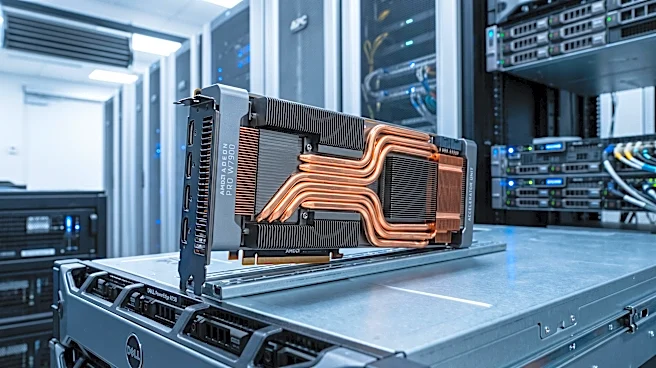
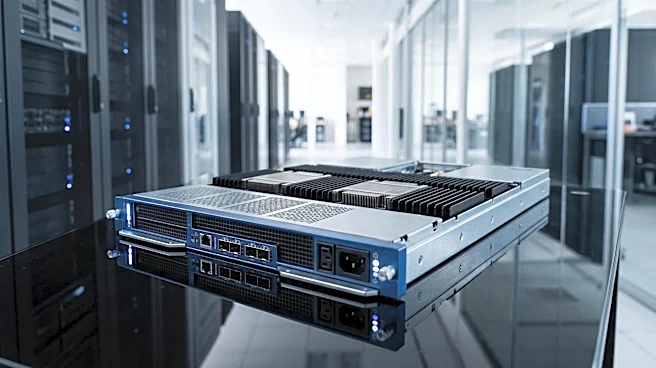
So, where is all that money going? It's being poured into the foundational elements of AI supremacy: data centers and specialized computer chips. Meta is building enormous data centers, some with over a gigawatt of capacity, and is on track to nearly double its infrastructure capacity in 2026 alone. The goal is to accumulate unparalleled computing power. Earlier this year, Zuckerberg revealed plans to acquire hundreds of thousands of high-end NVIDIA GPUs, the processors that are the workhorses of AI. This hardware is essential for training and running the next generation of AI models, including Meta's personal AI assistant, Muse, and its broader ambitions to build artificial general intelligence (AGI).
The High-Stakes Quest for AGI
The ultimate goal driving this expenditure is the creation of Artificial General Intelligence—AI with human-like cognitive abilities. Zuckerberg has been candid about the uncertainty of this pursuit, recently admitting he committed to spending potentially up to $200 billion on AI infrastructure before it was even clear if the technology would work. He has consolidated the company’s AI research divisions, FAIR and GenAI, to accelerate this mission. This all-in strategy is a shift from the metaverse focus that previously dominated headlines, reallocating resources toward what is now seen as the next major technological platform. Success could mean dominating the next era of computing, while failure represents a financial gamble of historic proportions.
A New Kind of Arms Race
Meta's spending isn't happening in a vacuum. It's part of a broader AI arms race among tech giants like Google, Microsoft, and Amazon, all of whom are investing heavily. However, Meta's spending is so significant that it has caused concern among investors and resulted in negative free cash flow for the first time in over a decade, as the company spends more on infrastructure than it generates in operating cash. To manage this, Meta has announced plans for one of the largest equity offerings ever, aiming to raise nearly $100 billion to fund its expansion. The company is even getting buy_in from its own suppliers, with chipmakers like NVIDIA, AMD, and Broadcom expressing interest in purchasing billions in Meta stock, highlighting the interconnected nature of the AI economy.