





The Heat Problem Offices Had to Solve
In the late 20th century, businesses faced a growing crisis of heat. As offices filled with more powerful computers and server rooms became the backbone of industry, thermal management turned from a minor issue into a critical one. Early computers and mainframes
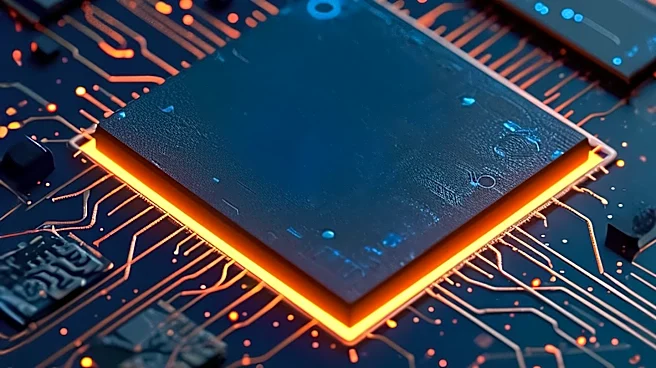
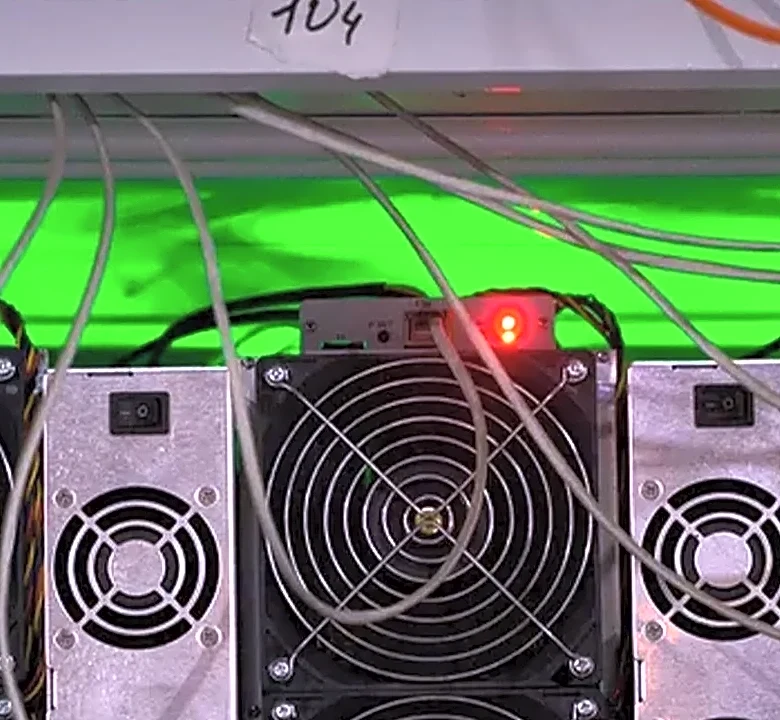
relied on basic air conditioning, but as server densities increased, these methods proved inadequate. Overheating wasn't just an inconvenience; it led to system crashes, data corruption, and hardware failure—all unacceptable risks for business operations. This pressure created a multi-billion dollar incentive to invent better cooling, forcing engineers to develop solutions for environments where hundreds of processors were humming away in tightly packed racks, generating immense, concentrated heat.
Enterprise Forges the Tools: Heat Pipes and Vapor Chambers
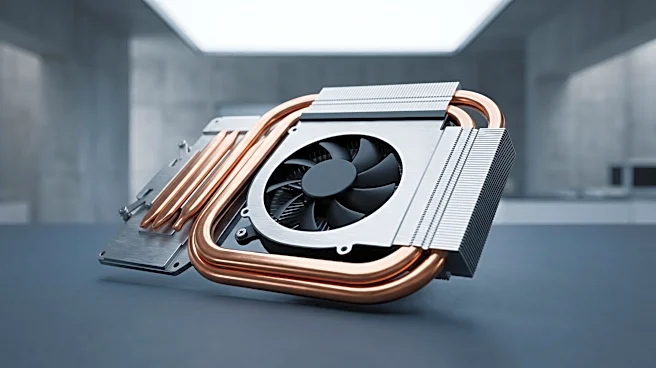
The solution came from technologies that could move heat with extreme efficiency. Enter the heat pipe. Patented in the 1940s and later used by NASA, this device is a sealed copper tube containing a small amount of liquid. When one end gets hot, the liquid vaporizes, moves to the cooler end, condenses back into a liquid, and releases its heat. This cycle makes it an incredibly effective thermal conductor. While first used in niche electronics, the enterprise world scaled them up for server racks. Later, a spinoff technology called the vapor chamber, which is essentially a flat heat pipe, was developed to spread heat more evenly across a surface—perfect for cooling large, flat server processors. These weren't consumer technologies; they were industrial-grade solutions for the serious business of keeping corporate IT running.
The Great Migration to Your Laptop
For years, these advanced cooling methods were mostly confined to high-end servers. The turning point came as consumers demanded laptops that were both powerful and thin. Cramming a high-performance processor and graphics card into a chassis less than an inch thick created the exact same problem server rooms faced: high power density. Suddenly, the solutions developed for the office were the perfect fit for the home. Miniaturized heat pipes first appeared in laptops in the mid-1990s and are now standard, pulling heat from the CPU and GPU to a small fin stack where a fan can expel it. As laptops became even more powerful, vapor chambers made the leap, allowing ultra-slim gaming laptops and powerful tablets to exist without melting.
Powering the Gaming and AI Revolution
The impact of this trickle-down technology is most obvious in high-performance consumer hardware. Modern gaming PCs and the latest AI-ready laptops generate thermal loads that were once imaginable only in data centers. An advanced graphics card or a top-tier CPU can consume over 100 watts of power in a tiny area, a challenge that simple fans and aluminum heat sinks cannot handle alone. The sophisticated cooling systems—combining heat pipes, vapor chambers, and intelligent fan controls—are direct descendants of the tech perfected in enterprise environments. Without the massive investment driven by the needs of business and, more recently, the AI data center boom, these cooling solutions would have likely remained too expensive and niche for the consumer market. The quiet, relentless push for corporate reliability is what ultimately made your high-frame-rate gaming session possible.