





First Off, What Is Deferred Revenue?
Let's keep it simple. Deferred revenue, sometimes called unearned revenue, is cash a company has received for a product or service it has not yet fully delivered. Think of it like paying for a year-long magazine subscription upfront. The publisher gets
your cash today, but they still owe you 12 magazines. Until they deliver each month's issue, that money sits on their books as a liability—a promise to be fulfilled. For software-as-a-service (SaaS) companies, this is standard practice. A customer pays an annual fee, and the company recognizes one-twelfth of that revenue each month as the service is provided. It’s an accounting rule that ensures a company's income statement accurately reflects the value it has actually delivered in a given period, not just the cash it collected.
How FSD Fits This Model
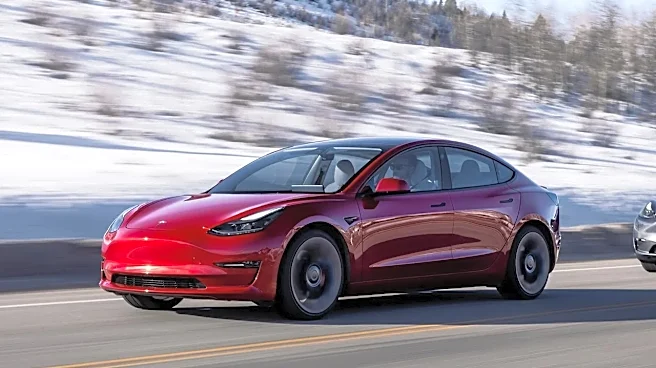
Tesla's Full Self-Driving (FSD) capability is the ultimate 'service-not-yet-fully-delivered.' When a customer pays thousands of dollars for the FSD package, they are buying into a promise of future capability. Since FSD is not yet truly 'full self-driving' and is continuously improved via over-the-air software updates, Tesla can't, according to accounting principles, recognize all that cash as revenue on day one. A significant portion of the FSD purchase price is parked on the balance sheet as deferred revenue. As Tesla rolls out new features—improving intersection handling or expanding capabilities on new road types—it fulfills more of its obligation and can 'recognize' a corresponding piece of that deferred revenue, moving it from the liability column to the revenue line on its income statement for that quarter.
The Multi-Billion-Dollar Piggy Bank
This is where it gets interesting for investors. That pool of deferred revenue acts as a massive, high-margin piggy bank. As of early 2026, Tesla has over 1.3 million paid FSD customers, a combination of upfront purchasers and monthly subscribers. While the company is shifting to a subscription-only model, its balance sheet still holds billions in deferred revenue from years of FSD sales. This isn't just an accounting quirk; it represents future revenue that is already in the bank. When Tesla achieves a significant technical or regulatory milestone, it can justify recognizing a large chunk of this money. This has led some analysts to accuse the company of using FSD revenue recognition to smooth over weak quarters, as the profits from it are nearly 100% margin.
Why This Number Is a Barometer for the Future
Watching the FSD deferred revenue balance tells you more than just accounting tactics; it’s a signal of progress and potential. If the balance is growing, it means more people are buying into the FSD promise, boosting Tesla's cash flow and future revenue pipeline. If the company starts recognizing revenue more quickly, it signals that management believes it is making material progress on delivering the final product. Analysts now see Tesla’s future as being inextricably linked to these high-margin, software-as-a-service initiatives like FSD and the robotaxi network. This one line item, buried deep in the financial statements, is therefore a key indicator of whether that AI-driven future is getting any closer. It's the difference between a car company and a tech company, spelled out in dollars and cents.