







1. The A20 Pro Chip's Brainpower
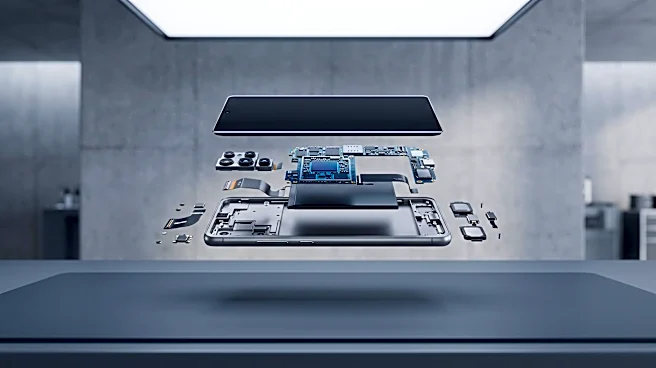
First, look for the specs on the new A20 Pro chip. Every year brings performance bumps, but this time, the crucial detail is the Neural Engine. This is the dedicated part of the chip that handles AI tasks. How Apple talks about its power—specifically
its ability to run complex models directly on the device—will be the first and most important signal of its on-device AI ambitions. A significant leap here means more powerful, privacy-focused AI features that don’t need to send your data to the cloud.
2. Siri's 'Generative' Reinvention
For years, Siri has been the butt of jokes. This event could be its redemption. Listen for words like "generative," "conversational," and "proactive." A truly revamped Siri won't just answer questions; it will understand context, summarize documents, analyze on-screen content, and complete multi-step tasks within apps. If Apple announces a Siri that can actually execute complex commands, it's a sign they're finally catching up to competitors like Google's Gemini.
3. The 'On-Device Intelligence' Mantra
Pay attention to how many times executives say "on-device." This is Apple's core differentiator in the AI race: privacy. While competitors rely heavily on cloud processing, Apple is betting that users prefer AI that runs locally on their phones, keeping personal data secure. They will frame this as "Apple Intelligence"—smart features that are personal and private by design. This approach is slower to build but could be a massive strategic advantage if they get it right.
4. Generative AI in Your Daily Apps
The most tangible proof of Apple's AI progress will be its integration into the apps you use every day. Watch for demos of AI-powered photo editing, like the "Clean Up" tool, or generative features in Mail and Messages that can draft replies for you. Another rumored feature is "Genmoji," which would let you create custom emoji using AI. These practical applications, rather than a flashy chatbot, are Apple's way of making AI feel useful and invisible.
5. A Smarter Dynamic Island
The Dynamic Island has been a neat hardware feature, but its true potential may be unlocked with AI. Rumors suggest the new, AI-powered Siri will integrate deeply with it. Instead of just showing alerts, an AI-driven Dynamic Island could proactively offer suggestions, real-time information, and contextual actions based on what you're doing. It could transform from a notification hub into a true ambient computing interface.
6. The AI-Health Connection
Apple has been quietly building a health empire, and AI is the engine. While the iPhone event focuses on the phone, listen for any new health features that rely on AI-powered sensors. Apple's strategy is to use AI in an "ambient" way, working in the background to provide value without being intrusive. Think predictive health alerts from the Apple Watch that are analyzed and surfaced by AI on your iPhone. It's a key part of their human-centered approach to technology.
7. Opening AI to Developers
Will Apple keep its new AI tools to itself? The answer to this will determine the future of the App Store. Watch for announcements around developer frameworks like "App Intents." Giving developers structured access to the new on-device language models and Siri's capabilities would unleash a torrent of innovation, allowing third-party apps to become much smarter and more integrated into the OS. This is a critical signal for the long-term health of Apple's ecosystem.
8. The Language of 'Ambient Computing'
How Apple frames its AI vision is as important as the features themselves. Listen for phrases like "ambient computing" or "intelligence that's always there for you." The goal is to make technology disappear into the background, augmenting your life without demanding your constant attention. This philosophy, which Tim Cook has mentioned in the past, is in direct contrast to rivals who want you to actively engage with a chatbot. Apple wants its AI to be felt, not seen.
9. The Price Tag and 'AI Inflation'
Finally, watch the price. The powerful chips and advanced memory needed for on-device AI are expensive. Some analysts are predicting a price hike for the iPhone 18 Pro models, citing "AI inflation" as the cost of components like high-bandwidth memory rises globally. If Apple does increase the price, it will be a clear signal that the company believes its new AI capabilities are valuable enough for customers to pay a premium for them.