







1. Brian Chesky, Airbnb
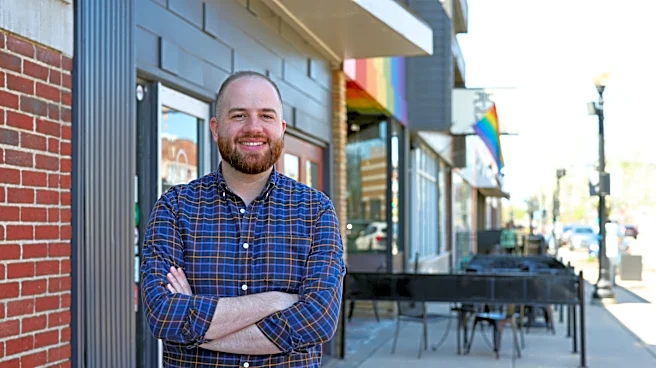
The parallel between Logan Green and Brian Chesky is almost one-to-one. Both saw a simple, community-based solution to a common problem—finding a ride, or finding a place to stay. Like Lyft, Airbnb grew from a scrappy idea (literally, air mattresses on a floor
to make rent) into a global behemoth that took on a powerful, entrenched industry: hotels. Chesky, a designer by training, focused relentlessly on user experience and building a community of trust between strangers, a core tenet of Lyft's early, friendlier branding. He faced intense regulatory battles city by city, much like Green navigated the complex web of taxi commissions and local governments. For anyone who admires Green's ability to create a marketplace out of spare capacity and build a brand with a human touch, Chesky's journey is required reading.
2. Melanie Perkins, Canva
If Logan Green’s story is about democratizing transportation, Melanie Perkins’ is about democratizing design. Before Canva, professional design software was the exclusive domain of experts who could afford expensive licenses and steep learning curves. Perkins envisioned a simple, accessible tool for everyone. Like Green taking on the taxi lobby, Perkins took on a titan: Adobe. She did it not by competing on features, but by changing the rules of the game with a focus on simplicity and a freemium model that built a massive user base. Her journey was defined by incredible persistence, facing years of rejections from investors before finally breaking through. This mirrors the grit required to build Lyft in the shadow of a larger, more aggressive competitor. Perkins proves that you can win by making a complex system accessible to all.
3. Jennifer Hyman, Rent the Runway
Jennifer Hyman didn't just disrupt an industry; she created an entirely new behavior. The idea of a “closet in the cloud” was born from a simple observation: the guilt of buying an expensive dress for a single event. Her insight was that women wanted access, not necessarily ownership. This “access over ownership” model is the same principle that fuels the sharing economy Lyft helped pioneer. But Hyman's challenge was arguably even more complex. She had to build a massive, high-tech logistics operation for cleaning, repairing, and shipping delicate, high-value items—a far cry from a simple app. Hyman’s story is a powerful lesson in how to build a business around a fundamental shift in consumer mindset while tackling immense operational hurdles, just as Green did with fleet management and driver logistics.
4. Tony Hsieh, Zappos
While from a slightly earlier internet era, the late Tony Hsieh’s playbook at Zappos is a cornerstone for any founder focused on brand culture. In a market full of competitors, Hsieh made customer service the entire company's mission. This obsession with creating a “WOW” experience was Zappos's key differentiator, much like Lyft’s pink mustache and friendly fist-bumps were designed to create a warmer, community-driven alternative to the cold efficiency of its rivals. Hsieh famously empowered his employees to do whatever it took to make customers happy, believing that a strong culture would naturally lead to a powerful brand and loyal customers. He even offered new hires money to quit to ensure only the most committed people stayed. For those who admire how Green built Lyft's brand on more than just price and convenience, Hsieh's focus on happiness and culture is a legendary case study.
5. Daniel Ek, Spotify
Logan Green stared down the powerful taxi industry. Daniel Ek took on the entire global music business. When Spotify launched, the music industry was in a tailspin, ravaged by piracy and struggling to find a viable digital model. Ek proposed a radical solution: access to everything, legally, for a monthly fee or by listening to ads. He faced immense resistance from record labels who were terrified of losing control and revenue. His journey was a decade-long tightrope walk, balancing the demands of rights holders with the desires of consumers. He had to prove that his model could generate real money for artists and labels, a constant point of contention. This struggle to create and validate a new economic model against a powerful and skeptical old guard is a direct parallel to the battles Green fought to legitimize ride-sharing as a viable and legal form of commercial transport.