






More Than Just a War Chest
First, let's talk about money. Surviving a crypto winter, when token prices plummet and funding dries up, requires a healthy treasury. The NEAR Foundation had one, thanks to significant capital raises from major venture firms. But having money and using
it wisely are two different things. While other projects burned through cash to maintain hype, NEAR focused its resources on sustainable ecosystem development. It established massive grant funds, like its $800 million global ecosystem fund, specifically to support developers building on the platform. This strategy ensured that even as market sentiment soured, innovation on NEAR didn't stop. It created a built-in business model for developers, awarding them 30% of the gas fees generated by their smart contracts—a direct incentive to build and improve applications that people actually use.
Technology Built for Blizzards, Not Just Sunshine
A robust treasury provides runway, but it’s the technology that keeps the engines running. NEAR’s core architecture, particularly its sharding mechanism called 'Nightshade,' was designed for scalability and efficiency from day one. Think of it like a highway with multiple lanes instead of a single-lane road. During periods of high network congestion—which can happen during market panic as users rush to move assets—many blockchains grind to a halt or see transaction fees skyrocket. NEAR’s sharding allows it to process transactions in parallel, handling high throughput without the network congestion that plagued others. This technical stability meant that applications built on NEAR remained usable and affordable even during peak volatility. Transactions could be finalized in about a second for a fraction of a cent, a stark contrast to the costly and slow experience on other networks during a crisis.
The Human Layer: A Focus on People
Technology and money are meaningless without people to use them. This is where NEAR’s almost obsessive focus on user and developer experience becomes a critical survival trait. For developers, the platform supports common programming languages like Rust and JavaScript, drastically lowering the barrier to entry for those new to Web3. There was no need to learn a new, niche language just to build a dApp. For users, NEAR introduced simple but revolutionary features like human-readable account names (e.g., 'yourname.near' instead of a long, jumbled string of characters). This seemingly small detail makes the entire system less intimidating and easier to use, which is crucial for retaining users who aren't crypto natives. By making the blockchain accessible, NEAR cultivated a loyal community that was more likely to stick around, providing a stable base of activity when speculative tourists fled the market.
A Pragmatic Approach to Growth
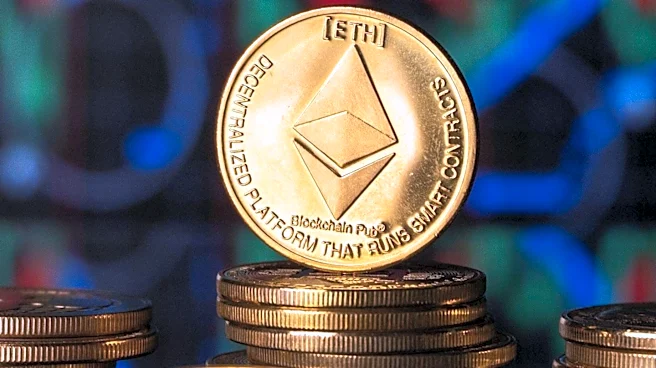
Finally, NEAR’s strategy wasn’t about building a walled garden. It was about connecting to the wider crypto universe. Through tools like the Rainbow Bridge and projects like Aurora, NEAR established interoperability with Ethereum, the largest smart contract platform. This allowed assets and data to move freely between the two ecosystems, giving developers and users on NEAR access to Ethereum's vast liquidity and user base without having to build from scratch. This pragmatic approach acknowledged that the future is multi-chain. Rather than trying to be an 'Ethereum killer,' NEAR positioned itself as a complementary, high-performance layer. This collaborative stance made it a more attractive platform for projects looking to scale and helped it integrate into the broader fabric of Web3, ensuring its relevance didn't fade when the market tide went out.