






The Age of Memory
The story begins in 1994, not with RGB lighting, but with something far more obscure: Level 2 cache modules for office computers. Founded in California as Corsair Microsystems, the company’s first product was quickly made obsolete when Intel integrated
cache directly onto its processors. This forced a pivot. Instead of folding, Corsair shifted its focus to high-performance DRAM, or computer memory. Throughout the late 90s and early 2000s, Corsair built its reputation among hardcore PC enthusiasts and overclockers—people who pushed their systems to the absolute limit. For this generation of builders, Corsair wasn't a gaming brand; it was the memory brand, with iconic product lines like Dominator and Vengeance known for their speed and reliability.
Conquering the Rest of the Case
After establishing dominance in the memory market, Corsair began a logical expansion. If enthusiasts trusted them for the most sensitive part of their build, why not for others? Around 2005, the company branched out, launching its first power supply units. This was the start of a quiet but aggressive takeover of the inside of the PC case. Soon, the Corsair name appeared on CPU coolers, solid-state drives (SSDs), and computer cases themselves. This was a strategic move to become a one-stop shop for the core components of any high-performance PC. The company was no longer just a memory maker; it was transforming into a full-fledged enthusiast component supplier, earning the trust of DIY builders piece by piece.
The Great Pivot to Peripherals
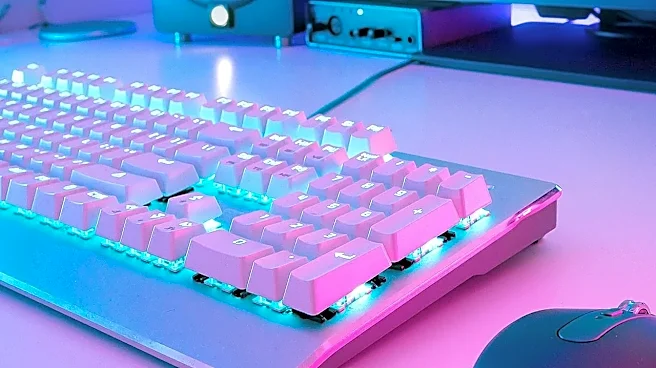
The biggest shift in public perception, and the one that defines the brand for most current users, was the move from inside the case to the top of the desk. Corsair recognized that the gaming market was exploding and that a brand's visibility was just as important as its performance. They dove headfirst into the gaming peripherals market, releasing keyboards, mice, and headsets that quickly gained popularity. This is where the Corsair most people know today was born. The company leaned heavily into features like durable mechanical switches and, most importantly, customizable RGB lighting. Software like iCUE was developed to sync the lighting across all their products, from RAM sticks to mousepads, creating an immersive and visually unified gaming setup.
Building an Empire Through Acquisition
In recent years, Corsair has accelerated its evolution from a component maker to a comprehensive lifestyle brand for gamers and creators by acquiring other companies. In 2018, it bought Elgato, the leader in streaming hardware like capture cards and stream decks, instantly making Corsair a dominant force in the content creation space. A year later, it acquired Origin PC, a builder of high-end custom gaming computers, and SCUF Gaming, the pioneer of premium, customizable controllers. This buying spree continued with Drop, a community-driven keyboard brand, and a major push into sim racing by acquiring assets from Fanatec and Trak Racer. These moves weren't random; they were a calculated strategy to own every part of the modern enthusiast's setup.