




The Familiar Comfort of Hardware
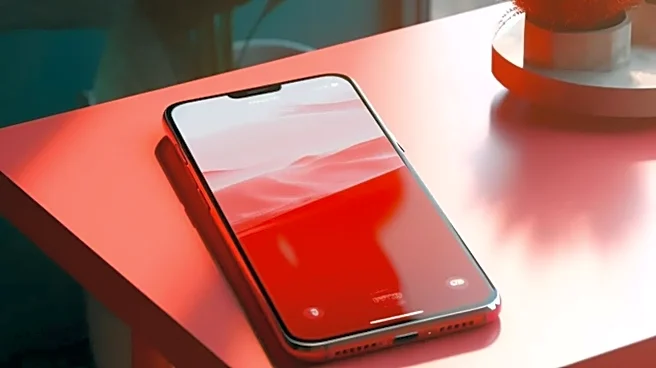
Let’s be clear: the iPhone 18 Pro is an impressive piece of hardware. Apple’s new CEO, John Ternus, took the stage to unveil a device powered by a 2-nanometer A20 Pro chip, delivering a significant leap in performance. The camera system received a notable
upgrade with a 48MP Fusion camera featuring a variable aperture, a feature that moves mobile photography closer to professional-grade control. In any other year, these advancements—along with a rumored foldable 'iPhone Duo'—would have been the entire story. Pundits would write endlessly about nanometers and apertures. Consumers would weigh the tangible benefits of a faster processor or a more versatile camera. The narrative was simple and has been for over a decade: this is the new iPhone, and it is physically better than the last one. It was a story about an object.
The Unveiling of a New Brain
This year, however, the hardware felt like an opening act. The main event was the deep, pervasive integration of Apple Intelligence. First announced in 2024, the AI suite is no longer just a collection of features but the central nervous system of iOS. This isn't about a chatbot you open or a quirky 'Genmoji' creator; it's about an intelligence layer woven into the fabric of the operating system. The demonstration showed an AI that understands personal context—your schedule, your messages, your photos—to proactively assist you. The new, smarter Siri can take action across apps, summarize notifications with uncanny relevance, and even transcribe recent audio. The A20 Pro chip, with its powerful dual Neural Engine, wasn't just pitched for faster gaming; it was framed as the engine required to run these complex, on-device AI models privately and securely.
More Than a Feature, a Fundamental Shift
The transition from a hardware story to a platform story is the most significant strategic pivot Apple has made in years. For a long time, the central question for consumers was, “Is the new hardware worth the upgrade?” Now, the question is, “How much more powerful does my personal ecosystem become?” Apple Intelligence isn't a feature you use; it's an environment you inhabit. It transforms the iPhone from a collection of apps and functions into a cohesive, intelligent assistant that learns from your behavior. This strategy aims to make the Apple ecosystem stickier than ever. When your phone, watch, and laptop share a brain that understands your personal context, the thought of switching to a competing device becomes less about losing apps and more about undergoing a personality transplant.
Redefining the Smartphone Battleground
With this move, Apple is changing the terms of its competition with rivals like Google and Samsung. The battle is no longer just about who has the best camera zoom or the most vibrant display. While those things still matter, the new frontier is about whose AI assistant is genuinely more helpful, more intuitive, and more trustworthy. Apple is leveraging its biggest advantage: the deep integration of its hardware and software, all under a banner of privacy. While competitors may offer more powerful standalone AI models, Apple’s bet is that an integrated, private, and context-aware intelligence will be more valuable to the average user than a chatbot that can write a sonnet. The iPhone 18 launch wasn't just about selling a new phone; it was about selling the next decade of Apple's vision for personal computing.