






The Seduction of the Spec Sheet
Spend five minutes reading drone reviews and you’ll find yourself buried in a mountain of numbers. Reviewers and buyer's guides obsess over hardware specifications because they are easy to compare. They pit a 48-megapixel camera against a 20-megapixel
one, or a 34-minute flight time against a 31-minute one. They test maximum range in ideal conditions and talk endlessly about 4K video frame rates. This isn't to say that hardware doesn't matter. A great camera and reliable battery life are essential. But this focus on the physical components creates a significant blind spot. It trains prospective buyers to think that the best drone is simply the one with the most impressive numbers on paper. This approach misses the invisible architecture that dictates what you can actually do with your expensive new hardware, where you can do it, and how much of a headache it will be.
The Detail Hiding in Plain Sight
The single most overlooked detail in drone purchasing is the software ecosystem and its relationship with federal regulations. This isn't just about whether the control app is buggy. It’s about a web of interconnected systems: the flight control app, manufacturer-level geofencing, and, most importantly, compliance with the FAA's Remote ID rule. Think of it like this: the drone hardware is your car, but the software and regulatory compliance are the GPS, the legal registration, and the built-in system that prevents you from driving into restricted areas. A powerful engine means nothing if the software won't let you leave your driveway. For drones, this isn't a metaphor; it's a reality that can ground your flights before they even begin.
Why Remote ID Is Non-Negotiable
As of 2024, the FAA requires that nearly every drone flown in the U.S. broadcast its location and identification information. This system, known as Remote ID, acts like a digital license plate. Any drone weighing over 250 grams (0.55 pounds) must comply. This includes the vast majority of popular camera drones. Failure to comply isn't a slap on the wrist; it can result in significant fines. While most new drones from major manufacturers like DJI have Standard Remote ID built in, buyers of older, used, or custom-built models must pay close attention. Compliance for those drones may require purchasing and installing a separate broadcast module, which adds cost and complexity. Many buyer’s guides gloss over this, but verifying a drone's out-of-the-box Remote ID status is now one of the most important pre-purchase checks you can make.
Geofencing: Your Drone's Invisible Walls
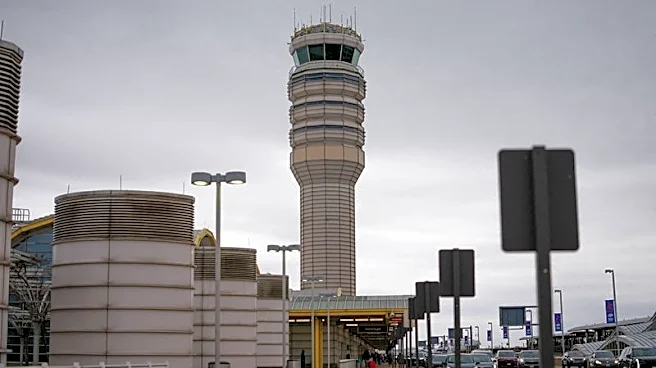
Beyond federal rules, manufacturers implement their own restrictions through a technology called geofencing. This system uses GPS to create virtual barriers around sensitive locations like airports, power plants, and national security sites. If you try to fly into one of these zones, the drone’s software may refuse to take off or automatically halt its flight. While this is a crucial safety feature, the implementation varies wildly between brands. Some manufacturers are more aggressive with their no-fly zones than others, sometimes restricting flight in areas that are legally permissible under FAA rules. Getting authorization to fly in a geofenced area can sometimes be a bureaucratic nightmare. Understanding a brand's specific geofencing policies and unlocking procedures before you buy can save you immense frustration when you discover your local park or a planned vacation spot is inside an invisible fence.