



The Roadmap Paved with Llama
You can’t talk about Meta’s AI strategy without talking about Llama. Throughout 2026, the company has aggressively pushed its open-source large language models. The release of Llama 3.1, especially the powerful 405B parameter version, was a major statement.
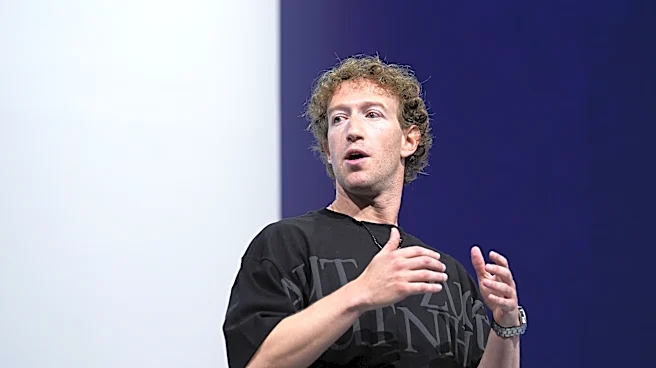
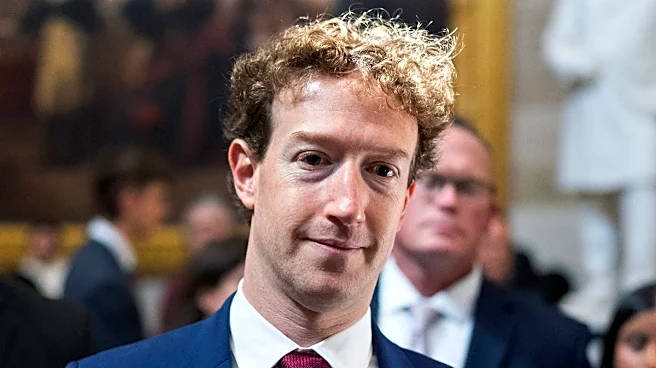
It put a model competitive with the best closed-source options from rivals like OpenAI into the hands of developers everywhere. CEO Mark Zuckerberg has framed this open approach as a core philosophy, intended to foster innovation and prevent a few powerful companies from controlling the future of AI. This year's roadmap has been clear: make the models more powerful, more multilingual, and better at using tools—all while publicly debating the best path to AI safety with competitors. This open-source blitz has built significant goodwill with developers, but it's also set towering expectations for what comes next.
From Code to Consumer Product
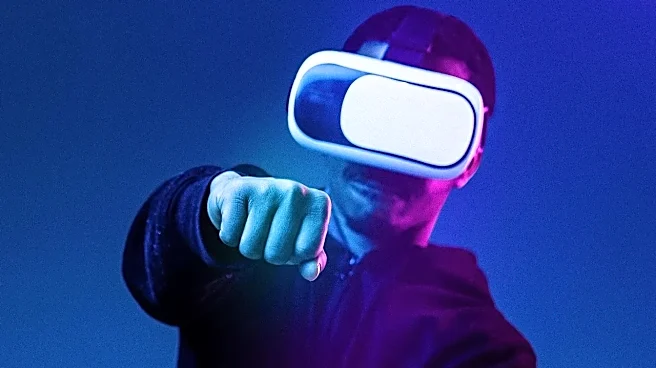
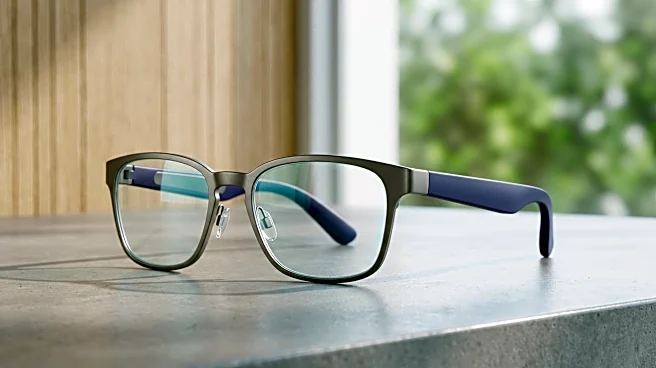
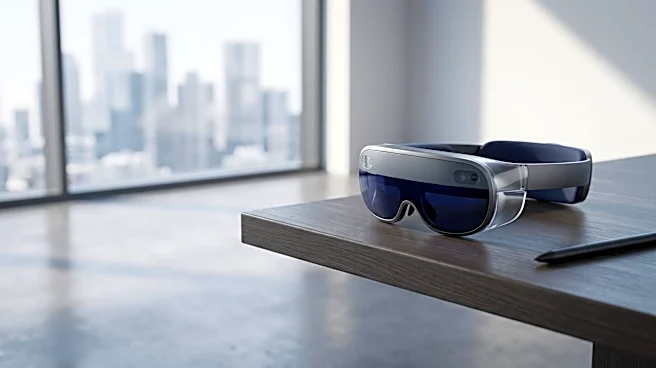
Meta Connect, scheduled for September 23-24, is where the rubber meets the road. This is the company's chance to show how its massive investments in AI—with capital expenditures projected as high as $145 billion—will translate into products people actually want to use. Analysts and tech watchers are expecting a slew of AI-infused hardware. This likely includes a refreshed version of the Ray-Ban Meta smart glasses, potentially with new display features, and at least a tease of the next-generation Quest VR headset. The narrative won't just be about chatbots. It will be about embedding AI into devices to make them fundamentally more useful. Imagine smart glasses that don't just take photos, but can see and understand the world around you, offering real-time information and assistance. This is the story Meta needs to tell.
The Narrative Challenge: Beyond Demos
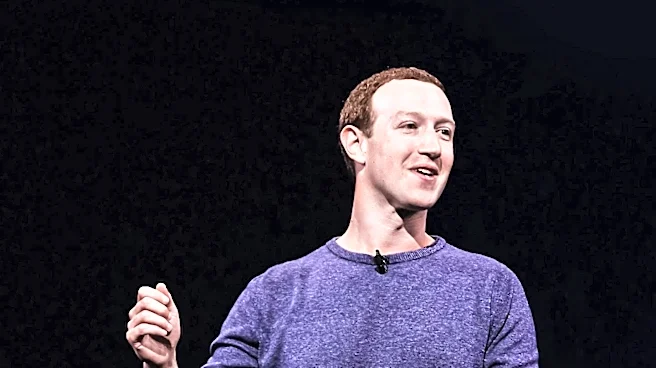
For years, Meta’s vision of the future, centered on the metaverse, felt abstract and distant to many. The pivot to a more tangible, AI-first message is a strategic necessity. The key challenge at Connect 2026 is to move beyond impressive-but-niche demos and present a cohesive vision for “personal intelligence.” Zuckerberg has spoken about a future where everyone has their own AI agent to improve all aspects of their lives. For this to land, the company needs to demonstrate AI that is seamlessly integrated and solves real problems, not just AI for its own sake. The recently launched AI agent 'Muse' is seen as a critical first step in this direction, and its integration across Meta's apps will be a key proof point. Success isn't another cool tech demo; it's making billions of users feel like these new AI tools are indispensable.
What’s at Stake
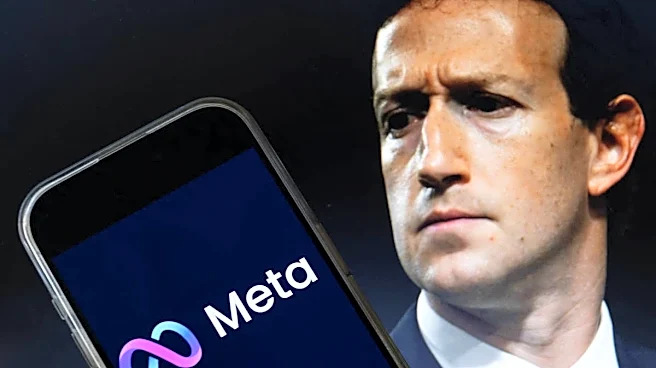
Meta isn't operating in a vacuum. The pressure is immense, both from investors who want to see a return on the staggering AI spending and from competitors who are racing ahead with their own ecosystems. While Meta's core advertising business remains a powerhouse, its future growth story depends on establishing a new platform. Connect 2026 is a high-stakes moment to define that platform. Is it AI-powered wearables? Is it the next evolution of mixed reality? Or is it a combination of both, creating a new computing paradigm? Analysts at firms like Citi and Goldman Sachs have flagged the event as a major potential catalyst for the company, a moment where investor confidence could either soar or stumble based on how well the AI product strategy is articulated and demonstrated. The company has to prove its multi-billion dollar bet on AI infrastructure is about to pay off in a way that rivals can't easily replicate.