







The Great Ethereum Traffic Jam
To understand the fix, you first need to understand the problem. Imagine the Ethereum network, the digital nation-state where most DeFi activity happens, as a single, massively popular highway. In 2021, everyone wanted to drive on it. They were trading
tokens, borrowing money, and buying digital art (NFTs). This created a colossal traffic jam. Every transaction was a car trying to merge, and the limited road space meant drivers had to pay exorbitant tolls, or "gas fees," just to move a few inches. A simple $50 token swap could cost you $100 in fees, completely pricing out the average user. DeFi’s dream of accessible, democratic finance was choking on its own success. The system was secure and decentralized, but it simply couldn't scale to meet demand.
The 'Zero-Knowledge' Express Lane
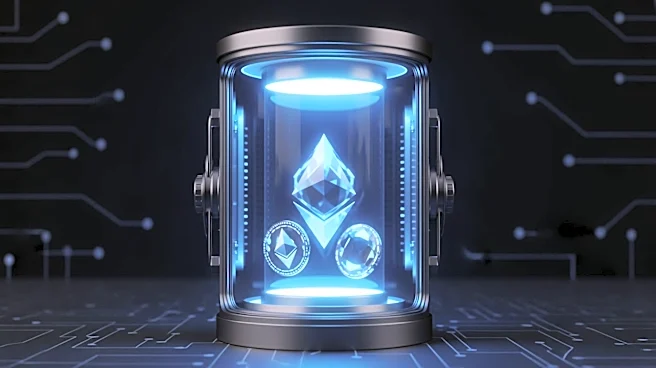
The solution came from a category of upgrades called Layer 2s, and the most advanced among them use a mind-bending cryptographic technique called zero-knowledge rollups, or zk-rollups. Here’s the simple version: Instead of every car (transaction) fighting for space on the main highway (Ethereum), zk-rollups build a parallel express lane. They take hundreds or even thousands of transactions, bundle them together off-chain in this express lane, and then present a single, neat proof of their validity back to the main Ethereum highway. The "zero-knowledge" part is the magic; it allows the main network to verify that all the bundled transactions are legitimate *without* having to individually inspect each one. It's like a trusted armored car delivering a vault of settled transactions with a single, universally accepted seal of approval. The result? The main highway stays clear, and transactions in the express lane become dramatically faster and cheaper.
Meet the Quiet Architects
This isn't a single company's invention, but a technological wave led by several key teams. Think of them as competing construction firms building slightly different versions of that express lane. **zkSync**, developed by Matter Labs, was one of the earliest pioneers focused on being "EVM-compatible," which essentially means developers could easily move their existing Ethereum apps over to this new, faster lane without a complete rewrite. It’s like offering a new highway with the exact same road signs and exit ramps as the old one. **Starknet**, from the researchers at StarkWare, took a slightly different path. Their technology, STARKs, is incredibly powerful and secure, but required developers to learn a new programming language, Cairo. It was like building a hyper-efficient maglev train line next to the highway—incredibly advanced, but requiring new vehicles and stations. **Polygon zkEVM** entered as a major contender, combining the brand recognition of the existing Polygon ecosystem with a new zk-rollup solution. Their goal was to offer a highly compatible, easy-to-adopt express lane backed by a well-known name in the crypto space, striking a balance between cutting-edge tech and developer-friendliness.
From Clogged to Cost-Effective
So what did this quiet reshaping actually change for the user? Everything. Suddenly, DeFi became usable again. Swapping tokens on a decentralized exchange, which once cost a prohibitive $80, now costs pennies on networks like zkSync or Starknet. Participating in a lending protocol or providing liquidity no longer requires a four-figure investment just to cover transaction fees. This technological shift reopened the door for experimentation and everyday use. Developers, freed from the constraints of sky-high fees, could build more complex and interesting applications. Users could afford to explore them. While the mainstream news cycle was focused on crashing crypto prices and celebrity endorsements, these teams were patiently laying the infrastructure that made DeFi a viable, cost-effective financial alternative, not just a theoretical one.