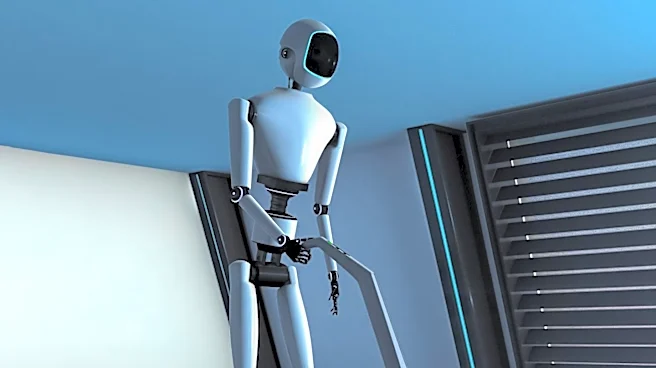



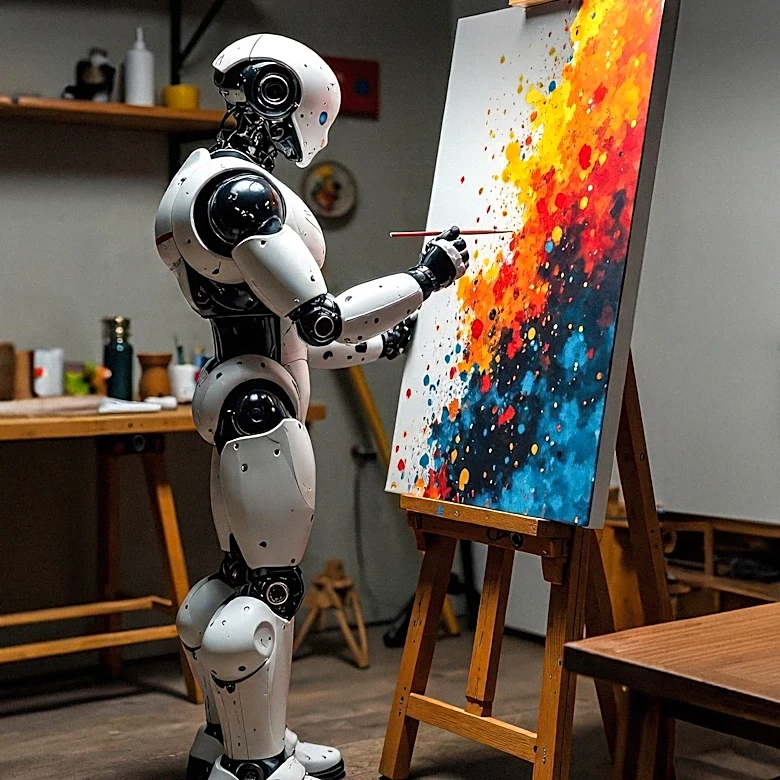

We’ve all seen the videos: a humanoid robot does a backflip or perfectly mimics a barista. They’re captivating, but they hide a simple truth. For a robot to be a business asset, not just a viral star, one metric matters more than any other.
The Allure of the Perfect Performance
Robotics companies
are masters of the viral demo. These short, slick videos showcase a machine performing a complex task with flawless precision. Whether it's a robot dog navigating an obstacle course or a humanoid sorting laundry, the goal is to inspire awe and attract investment. And it works. Billions of dollars have poured into startups on the back of these impressive, yet highly controlled, showcases. The problem is that a demo is like a movie trailer—it only shows you the best parts. The robot is in a pristine lab, the lighting is perfect, the task is repetitive, and it may have taken dozens of takes to get that one perfect shot. This curated perfection says very little about how the machine will perform in the messy, unpredictable environment of a real warehouse, factory, or hospital.
The Unsexy Metric That Defines Success
So, if viral demos are misleading, what should we look at instead? The answer lies in a far less glamorous but critically important metric: Mean Time Between Interventions (MTBI). MTBI measures, in hours, how long a robot can perform its job before a human has to step in to help it. An 'intervention' could be anything from rebooting frozen software to untangling a stuck part or picking up a dropped item. It’s the robotic equivalent of asking, 'How long can you do your job without needing your manager to fix something for you?'. While some related metrics exist, like Mean Time Between Failures (MTBF), which tracks major breakdowns, MTBI is a more honest measure of true autonomy. A robot that never breaks down but needs a human nudge every 15 minutes isn't truly autonomous; it's a high-tech puppet.
From the Lab to the Real World
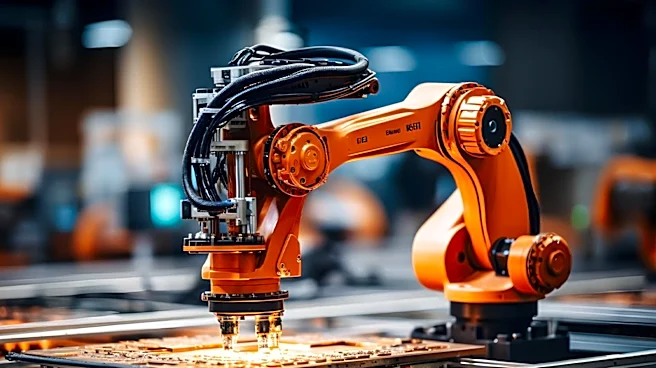
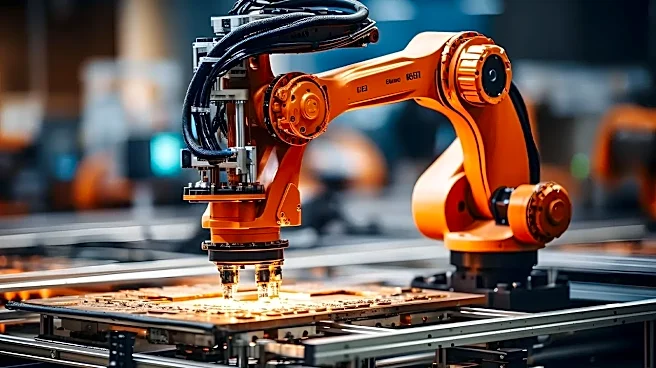
The gap between a demo and real-world performance is vast. Academics and engineers acknowledge that a lab setting eliminates the variables that plague robots in production environments. Real factory floors have dust, uneven surfaces, and inconsistent lighting. Warehouses have dropped pallets, stray shrink wrap, and, most importantly, unpredictable humans. While a robot might achieve 99% task success in a lab, that same performance in a factory could still mean thousands of interruptions a year, each one costing time and money. One robotics CEO noted that for factory use, reliability needs to be 99.9% or higher for the economics to work. Getting a robot to work once is easy; getting it to work thousands of times without help is the real engineering challenge.
Why Reliability Is the New ROI
For any business looking to adopt automation, focusing on MTBI is crucial for calculating Return on Investment (ROI). A robot with a low MTBI is a hidden cost center. The expense isn't just the robot's sticker price, but the cost of the human labor required to constantly supervise and assist it. Some surveys show that while many companies have deployed robotics, a significant number are unsatisfied, citing unmet goals for ROI and reliability. Ultimately, automation is only valuable if it frees up human workers for higher-value tasks and makes an operation more efficient. A machine that requires constant babysitting fails this fundamental test. As the robotics industry matures, investors and customers are moving beyond the hype of flashy demos and are starting to demand data on reliability, uptime, and real-world performance. They're learning to ask the most important question: not 'what can it do?', but 'how long can it do it on its own?'.