



A New 'Third Category'
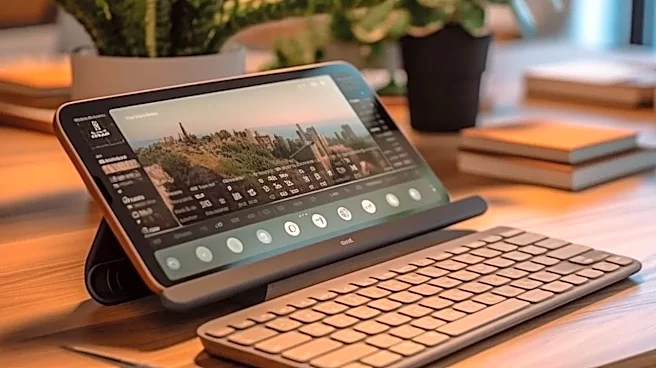
When Steve Jobs unveiled the iPad, he was deliberate in its positioning. It wasn’t a laptop killer or a giant phone. He called it a “third category of device,” designed to be better than either a smartphone or a laptop at specific tasks: browsing, email,
photos, videos, and reading ebooks. This framing was a masterclass in managing expectations. Instead of selling it on specs, Apple sold a vision of effortless use. The primary competitor at the time was the netbook—small, cheap, and clumsy laptops that Jobs famously dismissed as not being “better at anything.” The iPad wasn't trying to beat the laptop at its own game; it was creating an entirely new one, guiding consumers to see a need they didn't know they had.
The Gospel of Simplicity
The iPad's most radical feature was its simplicity. In a world of complex PCs with visible file systems, countless ports, and required peripherals, the iPad was a single pane of glass. It ran a mobile operating system, relied entirely on a touch interface, and sourced its power from the curated App Store. To critics, these were limitations. To users, they were liberating. There were no drivers to install or viruses to worry about. It just worked. This focus on a seamless user experience became the new standard. Consumers started demanding that same ease of use from all their electronics, forcing manufacturers to rethink their approach from the ground up, prioritizing intuitive design and integrated software over raw processing power.
The Ripple Effect on the PC Market
The PC industry, initially dismissive, was forced to react. The iPad’s success decimated the netbook market almost overnight, with sales growth plummeting shortly after its launch. More profoundly, it inspired a new wave of PC innovation. Laptops suddenly got thinner, lighter, and more design-conscious in a race to compete—a category that would become known as “Ultrabooks.” Microsoft, seeing an existential threat to its Windows dominance, responded with Windows 8, an operating system built for touch. This led to the rise of the “2-in-1” or hybrid laptop, devices like the Microsoft Surface that attempted to merge the productivity of a laptop with the convenience of a tablet. While many of these were clumsy at first, the entire category exists as a direct response to the market the iPad created.
Redefining Who a 'Computer User' Is
Perhaps the iPad’s most significant, and quietest, revolution was in accessibility. Its intuitive design opened up the digital world to people who found traditional computers intimidating. Children could use it without instruction, and it became a popular device for seniors. It also found a home in countless professional settings, from doctors' offices to retail stores, replacing clipboards and cash registers. It turned the computer from a dedicated work tool sitting on a desk into a casual device you could use on the couch. While hardcore users debated whether it could truly replace a laptop, the iPad had already redefined what a “computer” meant for millions of people who were never part of that debate.